
In today’s saturated, AI-driven marketing landscape, brand positioning isn’t optional—it’s your competitive advantage. With more channels, more content, and more automation than ever before, brands that stand out in 2026 aren’t louder—they’re clearer. If your audience can’t quickly understand who you are, what makes you different, and why it matters, you’re already losing attention.
For any business leader, growth is an outstanding business goal. But when real estate leaders scale from one successful property to an expanding portfolio, priorities shift quickly.
All at once, you’re evaluating new land acquisitions, securing financing, managing construction timelines, and coordinating multiple partners across locations. You’re wondering how to scale your leasing procedures and keep your operations consistent. Your investor expectations increase. Every decision carries more weight because the stakes are higher.
In the middle of that pressure, one critical factor often gets pushed aside:
Your brand.
Not because it lacks importance, but because it doesn’t feel as urgent as the next deal or lease-up.
Yet as your real estate portfolio grows, your brand becomes a defining force. It influences how efficiently you scale, how consistently your properties perform, and how the market perceives your entire organization.
The Signs Your Brand Isn't Keeping Up
Brand fragmentation rarely happens by design. It happens gradually, as growth outpaces structure.
Here are the most common indicators your brand is no longer supporting your portfolio:
1. Inconsistency is Costing You Time and Money
If every property requires a fresh start, including a new name, new messaging, and new marketing materials, you’re duplicating effort. This will increase your marketing, sales, and advertising costs, stretch your timelines, and bog down your team in reinventing rather than refining.
2. Your Portfolio Isn’t Building Recognition
When prospects don’t connect your properties under a single ownership group, you lose a powerful advantage. A strong real estate brand drives more awareness, builds trust faster, and improves leasing velocity across every location.
3. Growth Seems Turbulent
If each launch seems like starting over, you lack a scalable brand system. Without clear templates, guidelines, and ownership, execution and quality suffer from inconsistency and misalignment.
4. Your Brand No Longer Reflects Your Value
As your portfolio moves upmarket, challenges strong competitors, or attracts new partners, outdated or “starter-era” branding can signal the wrong level of quality and expertise to investors and prospects.
What Developers Often Underestimate
There’s one belief that consistently slows down scaling portfolios:
“Branding is our logo and our name.”
This isn’t entirely true. Branding is more than your visual identity or marketing.
At scale, branding is operational.
It determines:
-
How fast you launch new properties.
-
How consistent you execute across locations.
-
How well your portfolio builds long-term value.
Without that infrastructure, your growth will create operational friction.
With it, your growth becomes automatic and repeatable.
What Changes When You Scale
Branding for a single property is about storytelling. It shows up in bespoke signage, individual social media posts, in-person leasing opportunities, and personalized business partnerships.
For a portfolio, branding means system-building. Signage, social media, partnerships, and operations should be standardized and repeatable across locations.
This shift affects how your business operates in three key ways:
The Parent Brand Becomes a Core Asset
At scale, your company name and reputation carry weight. It influences investor confidence, partnership opportunities, and leasing performance before a prospect even sees a property.
Marketing Moves Faster
Without systems, every project creates delays. With the right brand structure, your new properties launch faster, with fewer revisions, less confusion, and fewer delays. In addition, there’s stronger alignment between locations.
Brand and Operations Align
Brand is no longer only creative. It affects how your teams communicate, how vendors interact and execute with your teams, and how consistently the resident experience shows up across every property.
Consistency Without Losing Identity
Many developers believe every property must feel distinct. And yes, distinctiveness matters.
But without a uniform brand structure, too much variety creates confusion and inefficiency for both internal and external audiences.
A developer’s goal shouldn’t be uniformity. It should be cohesion.
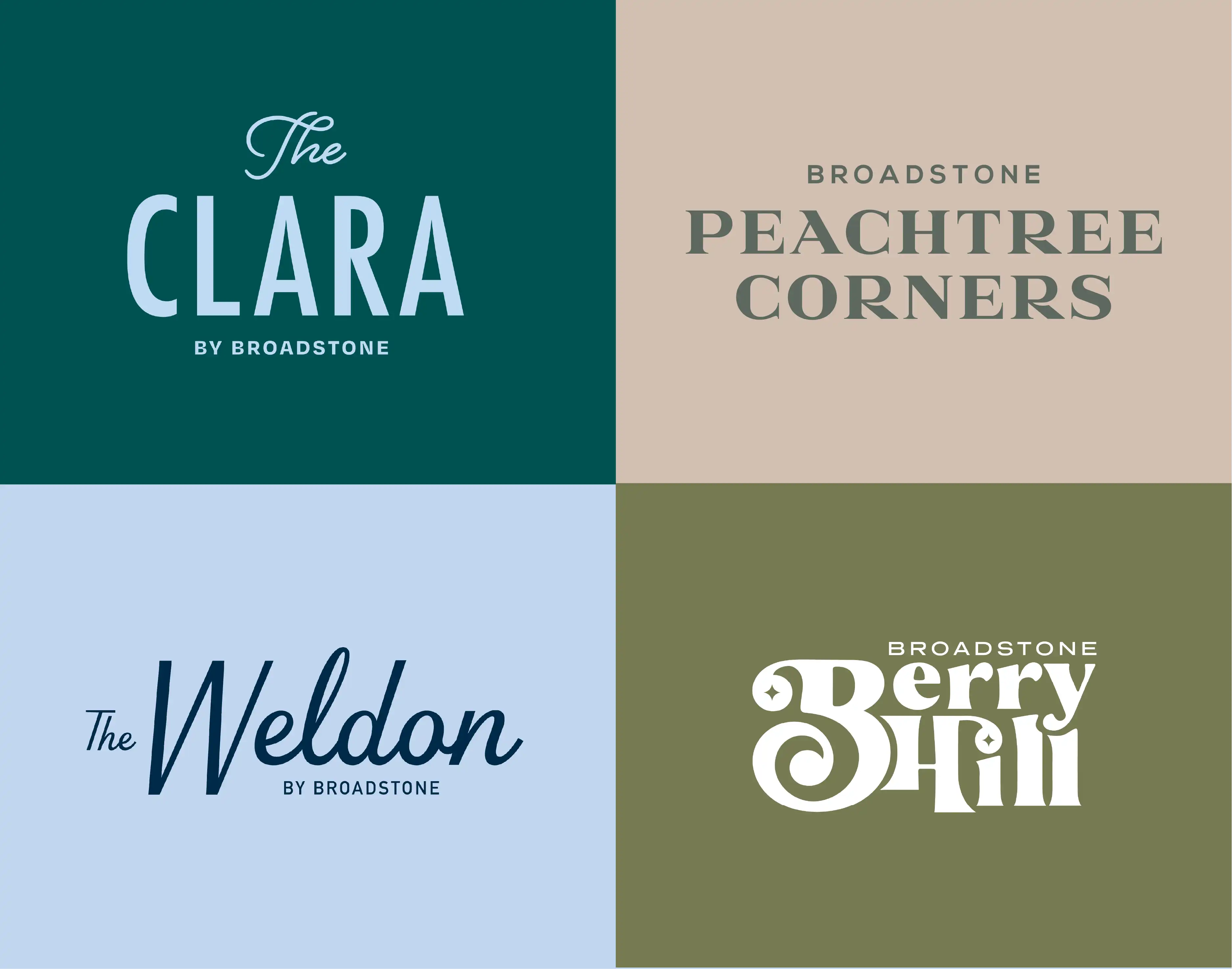
Think of your portfolio as a family. Each property has its own personality, but they share a recognizable foundation.
Start With Brand Architecture
Before updating procedures, visuals, or campaigns, define your family structure.
Brand architecture defines how your portfolio is organized and how each property relates to the original (often called the parent) brand and to each other.
Most real estate portfolios fall into one of three models:
-
Branded House: One dominant brand across all properties
-
Endorsed Brands: Distinct properties supported by a parent brand
-
House of Brands: Independent property identities with little visible connection
Each model has trade-offs in flexibility, risk, and efficiency. The right choice hinges on your portfolio mix, target audiences, and growth strategy.
Without this foundation, even the best creative work and operational workflows will struggle to scale.
What a Brand Family Looks Like in Practice
After you’ve got your structure in place, look for ways to standardize the elements that can be “invisible” (or not evident) to your audiences and can lead to efficiency:
-
Content templates, workflows, and marketing systems
-
Brand voice guidelines and messaging frameworks
-
Technology platforms and data structures
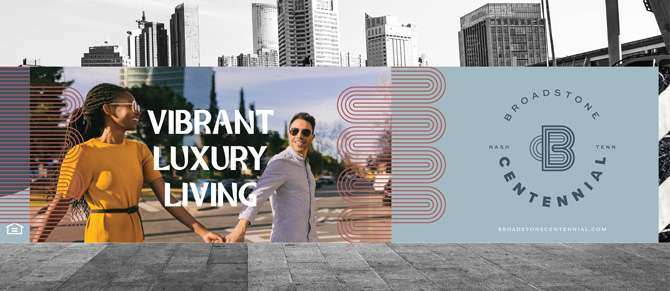
Then, find ways to differentiate the visible elements that drive connection:
-
Property naming and positioning
-
Visual identity and storytelling
-
Experience design based on location and audience
This approach allows you to tailor each property to the unique audience, while still benefiting from the credibility and efficiency of the parent brand.
Why This Matters More Than Ever
Real estate is more competitive and more experience-driven than ever.
At the same time:
-
Prospects compare options faster and have higher expectations.
-
Resident satisfaction informs renewal behavior and occupancy stability.
-
Investors expect stronger positioning.
-
Leasing decisions happen online without human contact.
Brand is no longer something you can “figure out later.”
It directly impacts:
-
Leasing velocity
-
Resident retention
-
Marketing efficiency
-
Asset valuation
-
Reputation and credibility
-
Competitive advantage
A well-defined brand attracts attention and builds consumer confidence at every stage of the lifecycle.
Brand Lives in the Experience
Today’s strongest portfolios concentrate on creating consistent, memorable experiences for prospects and residents. Brand informs every aspect of those experiences.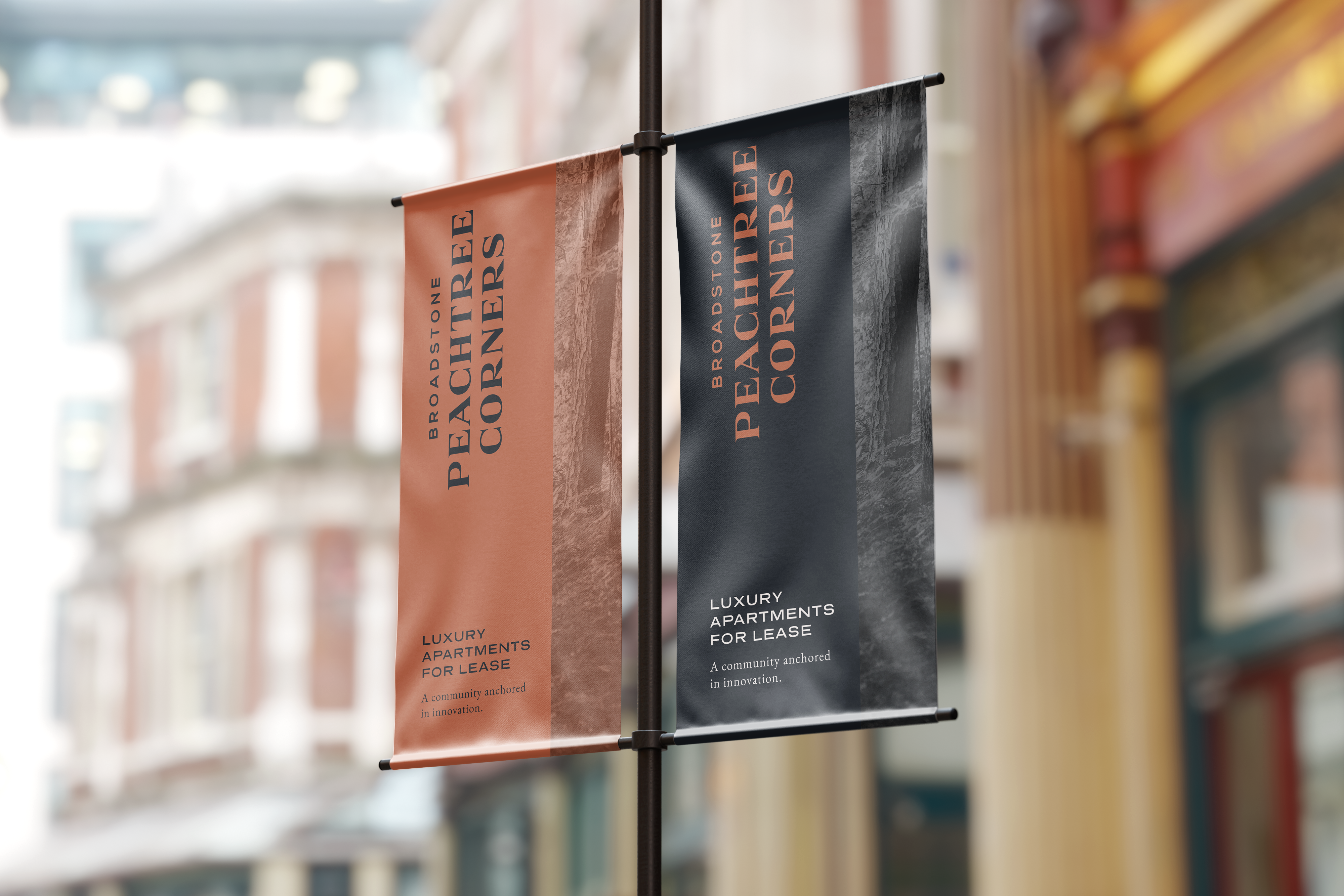
That includes:
-
Digital points of contact like websites, social media, and leasing portals
-
Physical community and in-unit environments
-
Signage and wayfinding
-
Community programming and resident communication
-
Sales collateral and experience
Every engagement is informed by a clear and strong brand and shapes public perception.
If you want to explore how physical space reinforces brand, please read, The Power of Place: Branding Master-Planned Communities That Sell here and Elevating Your Real Estate Develoment Brand here.
Growth Should Strengthen Your Brand, Not Strain It
Congratulations! Scaling a real estate portfolio is a sign of success. But if your brand doesn’t evolve with you, it can gradually limit your potential. The most successful developers don’t treat branding as a finishing touch. Instead, they treat it as a system that supports everything else.
Ready to Scale With Clarity?
If your portfolio is growing and your brand isn’t keeping up, it’s time to take a more strategic approach. Phase 3 helps real estate developers align brand, marketing, and execution, so every property launch is faster, more consistent, and more effective.
Schedule a discovery call to start building a brand that scales with your portfolio.