
Technology should make marketing easier. It should automate busywork, connect teams, strengthen brand, provide reliable data and reporting, and give marketers more time to focus on strategy.
Technology Isn't Always the Solution It Promises to Be
But for Allison, a marketing director for a national industrial manufacturer, those promises have fallen flat.
Her team manages four separate systems: one for printed collateral, another for signage, a third for promotional items, and a fourth for warehousing and fulfillment. She chose each tool to make life simpler. Instead, they've created a maze of inefficiencies.
Before any campaign even launches, Allison is already juggling:
-
Multiple logins and approval chains across different portals
-
Outdated interfaces that need IT help to pull a report
-
Product catalogs with limited customization
-
Disconnected vendors pointing fingers instead of solving problems
-
Constant miscommunication between departments
Her “streamlined” tech stack has become a daily obstacle course. Deadlines slip, budgets blur, and her team spends more time troubleshooting than marketing.
Allison's story isn't unique. Many marketing teams find themselves relying on outdated systems that promise integration but create friction.
The Problem: Platforms That Create More Work Than They Solve
The tools meant to simplify your marketing operations are often what's slowing you down. Many vendors built portals years ago on what is now outdated technology. These portals struggle to keep pace with the evolving needs of modern marketing teams. This is especially true when teams are spread across different locations, product lines, and business units.
Instead of reducing complexity, outdated platforms add layers of inefficiency:
-
Rigid workflows that don’t match your real-world approval processes.
-
Separate systems for different materials and needs, none of which integrate with each other.
-
Limited customization, forcing workarounds for branding or regional needs.
-
Clunky user experiences discourage user adoption.
-
Hidden fees and unclear reporting complicate budget management.
These inefficiencies add up to the same old headaches that manual processes cause. Instead of empowering you, outdated portals keep your teams stuck in reactive mode, fighting the system instead of optimizing it.
Why a Modern Brand-on-Demand Platforms Matters
A truly modern brand-on-demand platform does more than process orders. It connects every part of marketing fulfillment into one cohesive experience. From creative development to final shipment, every touchpoint is accessible, visible, and manageable in one place.
An effective platform allows your team to:
-
Access approved, customizable templates while maintaining brand standards.
-
Order print, promotional items, apparel, signage, and event materials from a single dashboard.
-
Automate approvals and control spending by department, region, unit, or campaign.
-
Track inventory, shipments, and usage in real time.
-
Handle kitting, warehousing, and shipping seamlessly.
-
Integrate with procurement and CRM systems.
-
Generate transparent, actionable reporting by campaign, location, or budget center.
In short, the best platforms don't only replace outdated tools. They transform how teams work, freeing up time for marketers to focus on delivering results.
.
Where Most Vendors Fall Short
After years of struggling with disconnected systems, Allison turned to a “print management partner.” The goal was simple: one portal for everything.
But soon, familiar frustrations reappeared. The new platform was generic and inflexible. It didn't offer many options for customization and templating. It couldn't integrate with her company's financial reporting software, couldn't accommodate multi-location orders, and couldn't adhere to the brand's layered approval workflows. In addition, the platform felt dated, and every minor update required a service ticket.
This is a common scenario. As a result of outdated tech and lack of dedicated experience, many “one-size-fits-all” systems don't reflect how marketing actually operates. They may offer some marketing printing options, but no customization is available. They might warehouse materials but provide no visibility into inventory. Kitting and shipping are often outsourced to a logistics company that has no understanding of marketing timelines or brand priorities. And often, low-service vendors hide extra costs behind maintenance fees, markups, or unclear pricing models.
Allison soon started trying to fill in the gaps with workarounds and other inexpensive marketing tools. She ended up right back where she began: managing multiple disconnected systems that created more work than they solved.
A Better Way to Work
Phase 3’s expert marketing team developed the Brand-on-Demand program to address the needs of busy marketers like Allison.
At its core is MediaLink, our proprietary platform that unites everything marketers need, from print and promotional items to signage, apparel, and fulfillment. Even if you've used other portals, MediaLink feels refreshingly intuitive. No IT setup or workarounds needed.
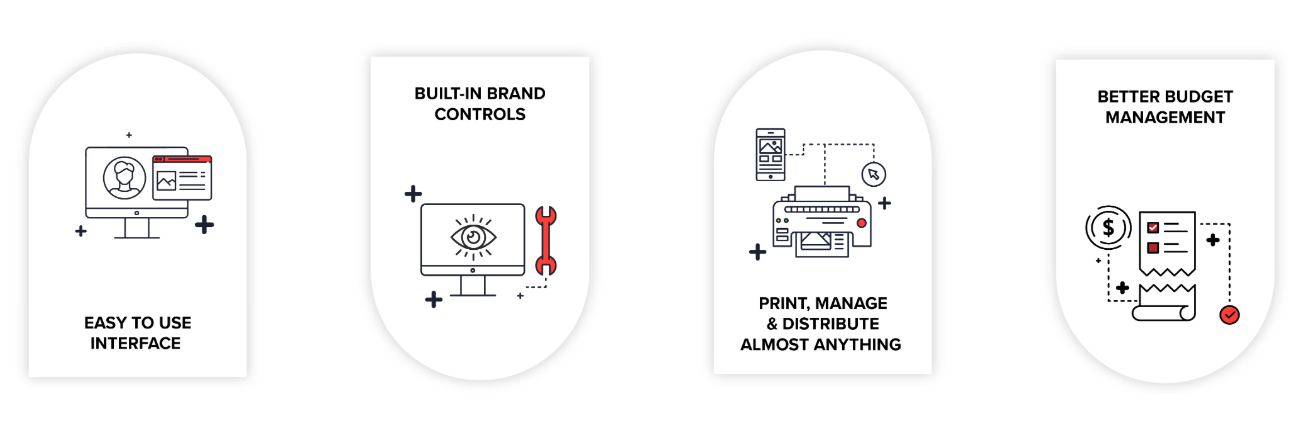
Marketers can log in, customize materials, approve orders, and ship directly to any location — all in one place. Brand leaders can tailor team spending, permissions, and reporting to the company's internal needs and structure.
And because Phase 3 handles every step in-house, from printing to kitting to distribution, users gains a level of consistency and visibility that most vendors simply can’t offer.
How Allison Found Clarity
When Allison’s team switched to Phase 3’s Brand-on-Demand platform, the difference was immediate. Her staff didn’t need weeks of training. Once the site was launched, they were facilitating order within hours. The interface reflected her company’s branding, and the approval workflows matched her internal processes.
When her next product launch rolled out across 50 locations, everything worked in sync. All print materials, signage, and branded merchandise shipped together, arriving on time and on budget.
Instead of chasing down vendors and staff, Allison finally has real-time visibility into what her team prints, where they send each order, and what it costs.
Allison now feels in control of marketing fulfillment instead of it controlling her.
The Brand-on-Demand Advantage
When all brand fulfillment lives within one connected ecosystem, the benefits are clear:
-
Efficiency: Centralized workflows reduce errors and turnaround time.
-
Consistency: Every item adheres to your brand standards.
-
Transparency: Real-time reporting replaces guesswork.
-
Scalability: The platform grows with your business.
Instead of swapping one platform for another, Allison consolidated her tools into a single system that finally supports the way her team actually works.
Designed for Marketers. Supported by Experts.
What sets Phase 3's Brand-on-Demand platform apart is our dedication to customer support. Every clients will have access to a dedicated account manager and a team of specialists. This includes designers, developers, and fulfillment professionals. They'll help you integrate the platform into your workflow for optimal results.
The Future of Brand Management
For marketers fed up with clunky interfaces and disconnected systems, a better way exists.
Phase 3’s Brand-on-Demand program, powered by Media:Link, turns fulfillment from a daily frustration into a seamless, scalable extension of your marketing operation.
If your current platforms feel like barriers instead of tools, there’s a better way to manage your brand.
Ready to Simplify Your Fulfillment and Reclaim Your Time?
Fill out the form below to schedule a one-on-one demo. Discover how Brand-on-Demand can transform your platform's pain points into enhanced marketing performance.