
Choosing where to eat often feels like a chore for guests.
On average, Americans spend about 14 minutes deciding on a restaurant, with nearly three out of four diners searching restaurant reviews before going out to eat. Guests scan ratings, read comments, and try to predict whether a restaurant will be worth their time, money, and effort.
These moments of hesitation are when restaurants win or lose. When faced with an abundance of options, diners consider the top factors to be location, cost, and habit. Proximity matters. Price matters. Familiarity matters.
Branding removes uncertainty. A clear, credible brand makes decisions easier. It signals the experience a guest can expect, whether the price is fair, and if the restaurant is trustworthy.
Phase 3 is a restaurant branding agency that collaborates with owners and hospitality groups who recognize the crucial role branding plays in their businesses. The “secret sauce” of restaurant branding matters to them because it reduces guest hesitation and turns one-time visits into enduring habits.
This article is for hospitality leaders who want their restaurant to be the easy choice. We’ll explain what restaurant branding actually is, how it influences guest decisions, and how clarity at every touchpoint reduces friction, from first impression to repeat visit.
What Restaurant Branding Really Means
Restaurant branding is not only your logo.
It’s not only your color palette.
It’s not only your Instagram feed.
And it’s not something you finish once and never revisit.
Your brand is the sum of what guests experience and remember. It’s the story they tell once they leave your restaurant.
That includes:
-
Why your restaurant exists
-
Who it’s meant for
-
How the space feels
-
How the menu reads
-
How staff describe the food
-
How guests remember their experience
Branding is the thread that holds these elements together. When it’s clear, the experience feels intentional. When it isn’t, even good restaurants can seem confusing or forgettable.
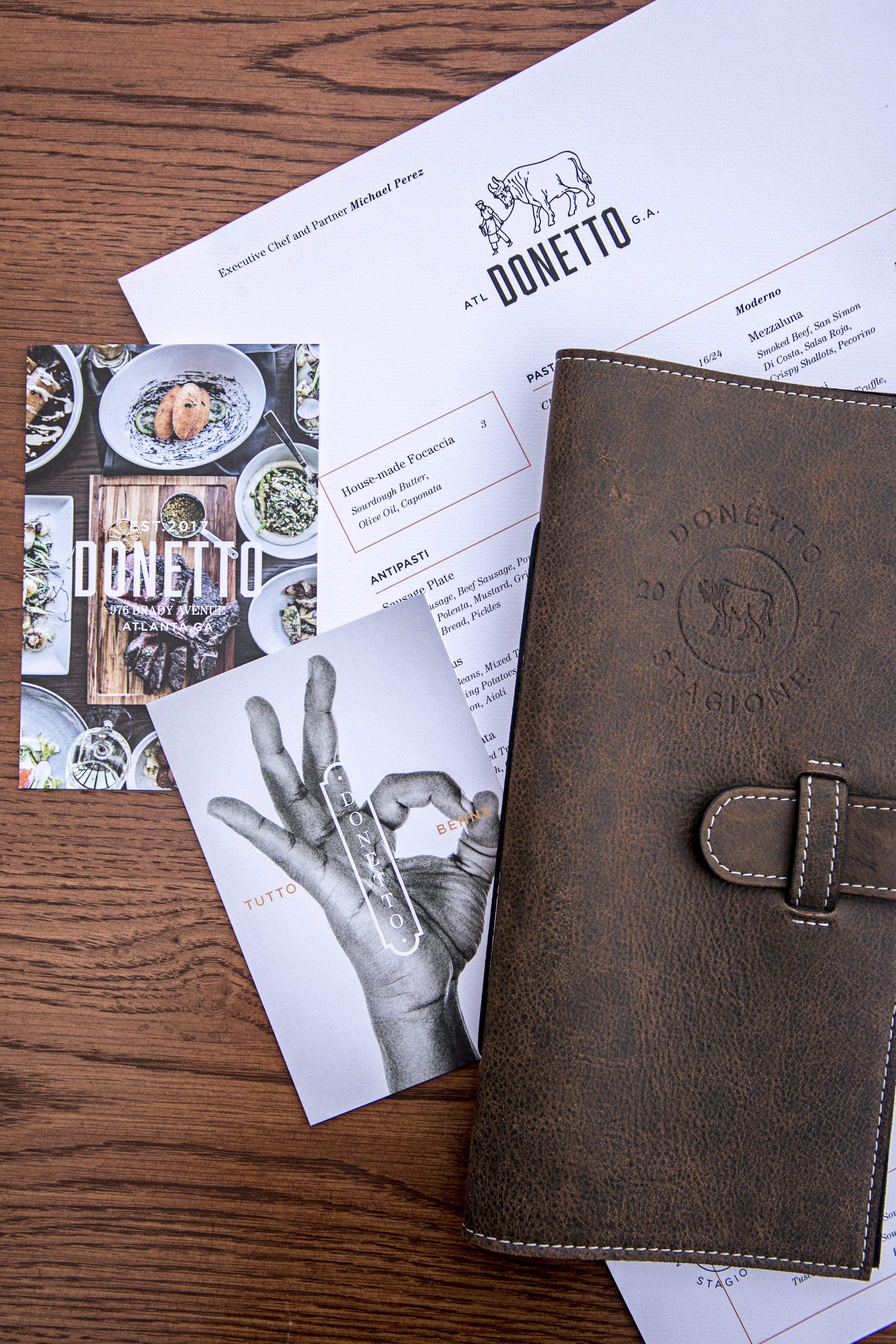
5 Reasons Why Branding Matters
In the U.S., 80 new restaurants open daily. Guests have morechoices and less patience for unclear concepts.
Strong branding supports your business in five practical ways:
1. It reduces decision paralysis
In a market where several restaurants offer similar food at similar prices, brand clarity and familiarity become the deciding factors.
2. It generates trust through consistency
Consistency creates confidence. Habits form where trust is evident. When the experience matches their expectations, guests return again and again.
3. It makes the restaurant easier to remember and recommend
Restaurants with a clear identity are easy to describe. Guests can explain what makes a place unique. Clarity fuels word of mouth and repeat visits without the need for gimmicky promotions.
4. It supports price integrity
Guests don’t just pay for food. They pay for atmosphere, connection, comfort, and memories. Clear branding helps prices feel justified, reduces resistance, and minimizes the need to discount to compete.
5. It guides strategic business decisions
A clear brand acts as a filter for decisions. Menu updates, décor changes, hiring, marketing, and expansion choices become easier because there’s a shared understanding of what fits and what doesn’t.
When These Fundamentals Are In Place, Loyalty Follows
Studies show that customers who feel connected to a brand are more likely to spend more over time and choose that brand over competitors. In practical terms, restaurants with strong, consistent branding see higher repeat-visit rates, greater willingness to pay, and less reliance on discounting to drive traffic. Over time, that confidence compounds, contributing to 10 to 20% in revenue gains.
Brand Comes Before Marketing
When building a business, many leaders jump straight into promotion and marketing before they’ve clarified who they are. That usually leads to wasted effort.
Branding should always come first. Marketing follows.
Before you place an ad, write a social media post, or pitch a media story, you should be able to answer:
- Why does this restaurant exist?
- Who is it designed for?
- What experience are we promising?
- How are we different from nearby options?
As a restaurant branding agency, we help clarify your answers to these questions. When your responses are clear, marketing becomes focused and effective. If they are vague, guests may find your messaging disconnected and less relatable.
The Core Ingredients of a Powerful Restaurant Brand
A North Star or Clear Mission
A strong mission actively shapes how a brand shows up every day. In the restaurant industry, some of the most recognizable and trusted brands use mission statements as practical guides for culture, sourcing, operations, and guest experience.
Take Shake Shack and its mission to “Stand For Something Good.” That idea isn’t only a tagline; it informs everything from ingredient sourcing to how team members are trained to treat guests and one another. The mission reinforces values, not just menu items.
Even at a massive scale, McDonald's grounds its operations in a mission to “Make delicious feel-good moments easy for everyone.” That focus informs consistency, speed, accessibility, and local engagement across thousands of locations worldwide.
At Edgar’s Above Broad, the Phase 3 brand team helped them build a mission around both hospitality and purpose. The restaurant is part of a larger, purpose-driven organization that helps people reach their full potential through education and the power of work. That core mission shapes everything from service approach to storytelling.
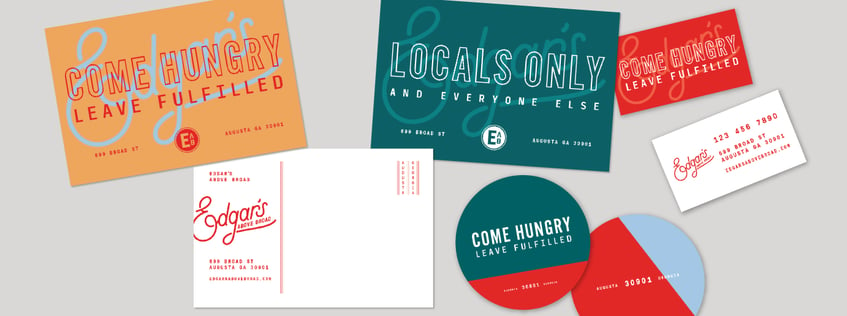
A mission works when it’s actionable. It sets customer expectations for quality, convenience, service, and price. It aligns teams around shared priorities. And it assures that customer experiences feel intentional, reliable, and rooted in something meaningful.
Knowing Exactly Who You're Serving
Not every restaurant is for everyone. Trying to appeal to everyone usually results in a diluted experience. This is why target audience personas are critical to building an impactful restaurant brand.
While both are burger restaurants, McDonald’s most loyal customers would probably balk at the long lines and higher prices at a typical Shake Shack. In comparison, a Shake Shack enthusiast may not appreciate McDonald’s bare bones menu or lack of “premium” ingredients. Both succeed because they know their audience.
Understanding your ideal guest affects:
-
Location and decor
-
Menu offerings and pricing
-
Service pace
-
Music, lighting, and layout
-
Open days and hours
-
Communication style
The Phase 3 brand team designed the Juniper Rooftop brand for guests who value gorgeous local views, a refined yet fun atmosphere, and shared experiences. Every component of the brand speaks to this target audience, from the name to the visuals to the way the space comes alive at sunset.

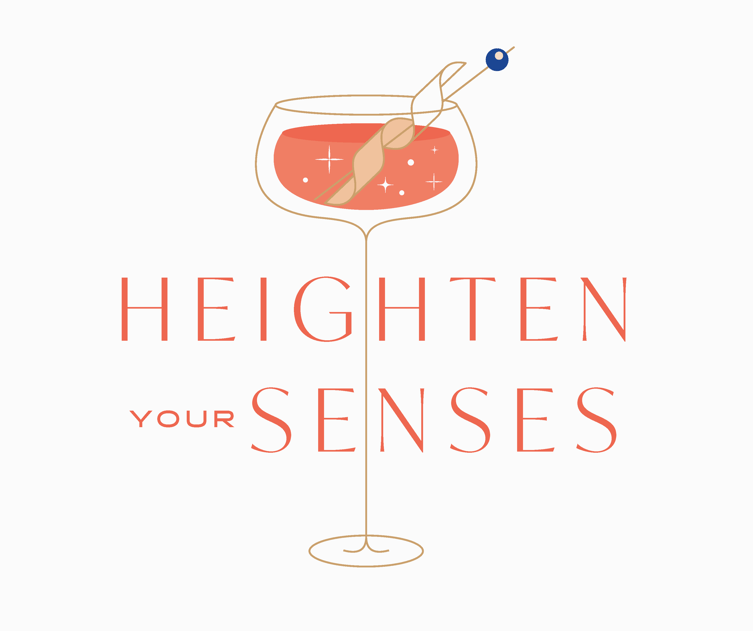
Clear audience focus leads to stronger loyalty and fewer mismatched expectations. For more related reading on a brand’s target audience, please read this article.
Clear Positioning Wins in Today's Market
Today’s restaurant market rewards extremes. Brands tend to win by delivering either:
- Value and convenience
- Experience and atmosphere
What’s become farmore difficult is trying to survive by doing both.
Brand positioning answers a simple question:
Why should a guest choose you instead of another option right now?
When that answeris obvious, guests don’t hesitate. They act.
McDonald’s is positioned around speed, value, and reliability. Guests choose it because it’s convenient and familiar.
Shake Shack is positioned around experience and quality. Guests choose it for how they feel while eating there.
Both brands succeed because their positioning is unmistakable. Guests instantly understand when to choose each one – and when not to.
Clear positioning becomes even more critical when multiple dining concepts coexist under one roof. That challenge was central to Barnsley Resort, which tasked Phase 3 with reimagining the identity of its three distinct food and beverage offerings:
-
Rice House, a fine dining destination
-
Woodlands Grill, a mid-tier, refined casual restaurant.
-
The Beer Garden, a relaxed, outdoor gathering space
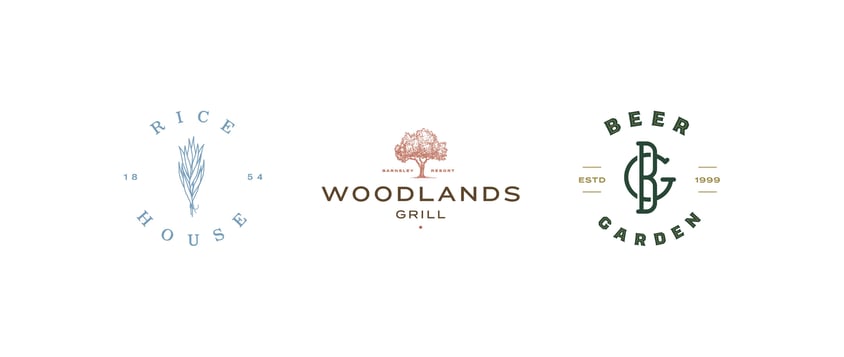
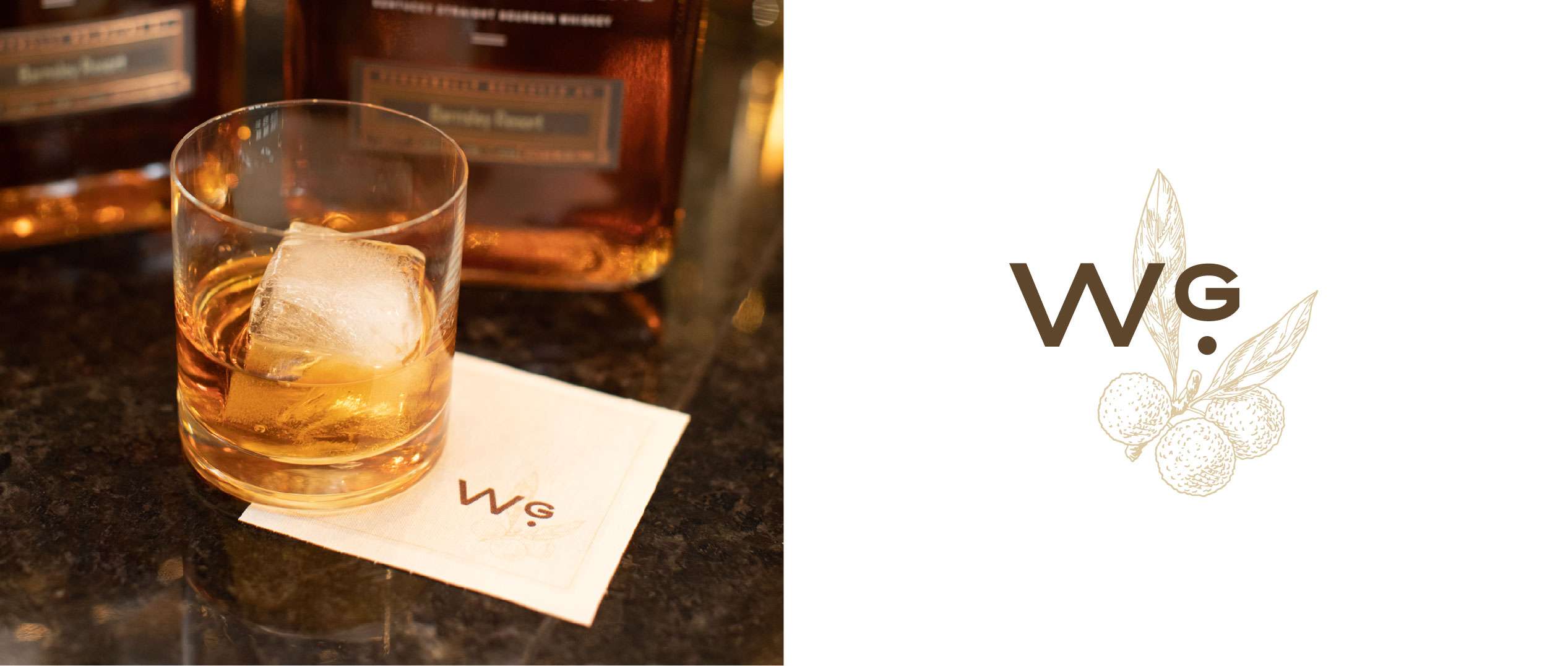
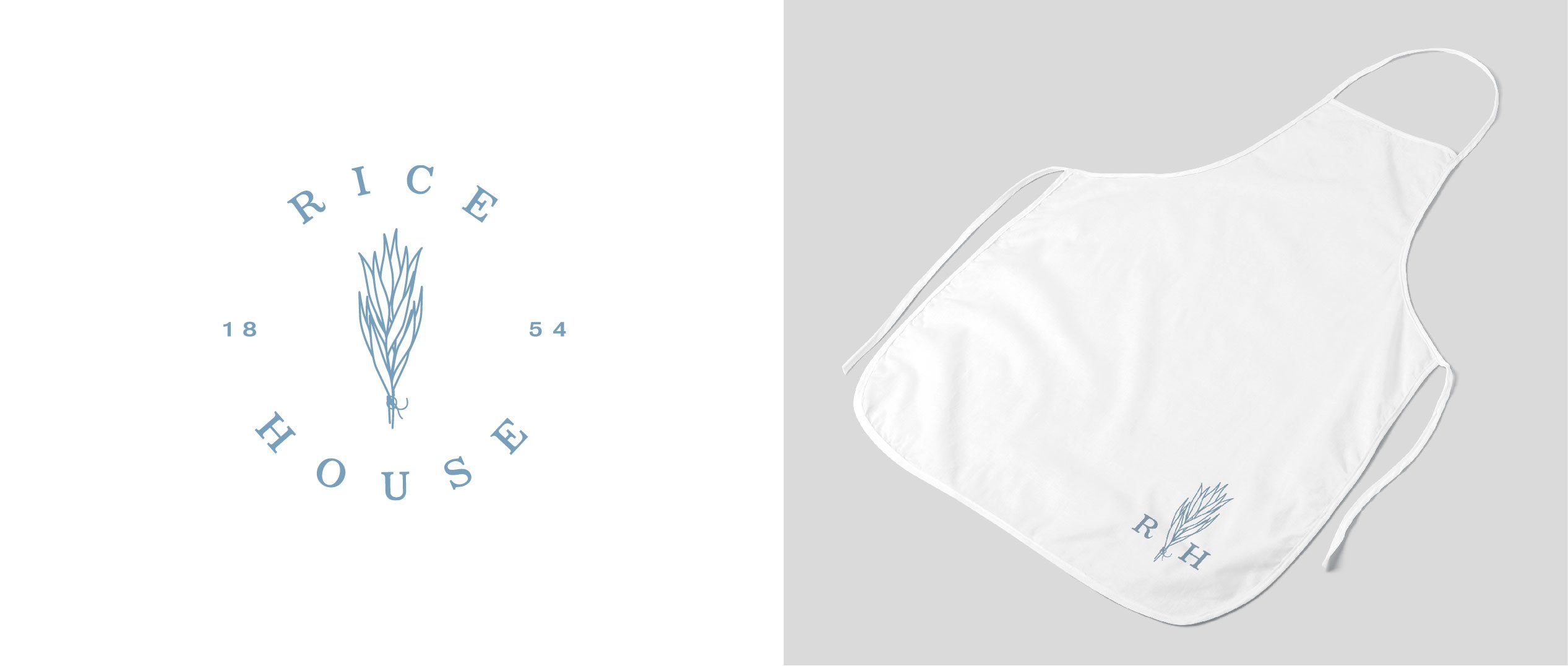
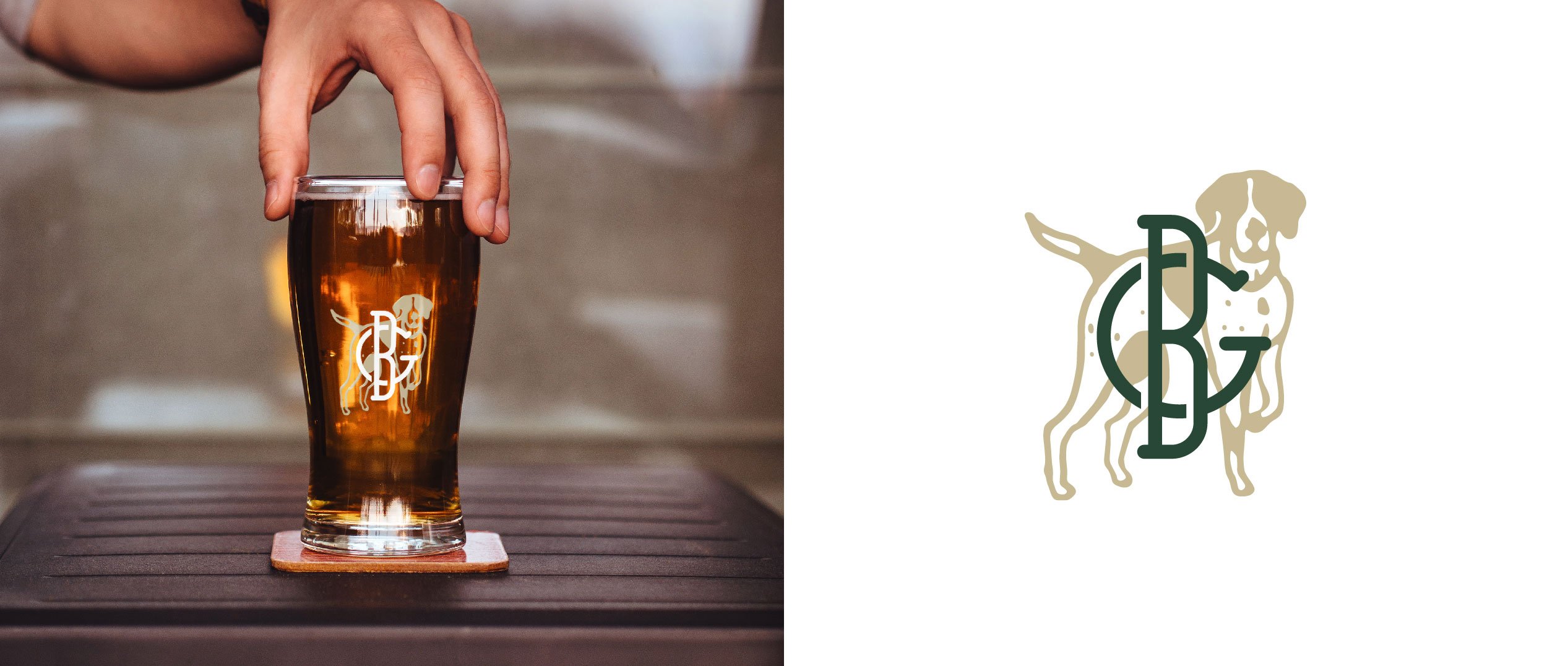
Rather than treating each as a variation of the same brand, we positioned each concept with a distinct point of view that signaled a curated and intentional experience. Guests intuitively understood the difference between each dining option and when to choose one over another. No concept competed internally. Each had a clear role, audience, and experience.
In a crowded market, being broadly appealing is rarely effective. Being clearly positioned is. The brands that stand out don’t try to be everything. Instead, they commit to being something specific, and they build every experience around that choice.
Every Touchpoint Shapes the Brand Story You're Telling
A brand isn’t defined by a single campaign or message. It’s formed by your guests’ experiences. Brand narrative, voice, and tone make those experiences feel intentional instead of fragmented.
Narrative defines your story. It gives meaning to individual messages and helps audiences understand how each interaction fits into a larger whole. A compelling narrative creates continuity and makes your brand easier to remember and believe in.
Voice is your brand’s personality. It never changes, no matter the channel, audience, location, or message. Whether you’re confident and authoritative, warm and encouraging, or bold and visionary, your brand voice ensures people recognize you wherever they encounter you.
Tone is how your voice flexes based on context. It adapts to the moment while staying consistentwith the core personality.
These three elements make up a brand’s verbal identity.
McDonald’s verbal identity is designed for efficiency and universality. Its language is simple and direct. Messages emphasize familiarity, speed, and accessibility.
Shake Shack’s verbal identity is more expressive and values-forward. Its language emphasizes craft, community, optimism, and purpose. The narrative is less about scale and more about why this burger, in this place, matters.
Each narrative is tightly aligned to the brand’s mission, operating model, and customer expectations. The key difference is intentionality: both brands know who they are, and their verbal identity reinforces that story at every touchpoint.
Our work with Dos Bocas shows how narrative becomes the foundation of a brand. From the start, the name (meaning “two mouths”) signals connection, conversation, and mutual experience. Rather than leading with menu items or trends, Dos Bocas leads with the stories of two founders traveling across the country in search of great food and hospitality. Every touchpoint reinforces the same idea: this is a place designed for people to come together.
A Visual Identity That Supports the Experience
Visual identity sets expectations long before the food arrives. Logos, color, typography, layout, graphics, and photography quietly signal what kind of experience a guest will have and whether it will feel familiar, elevated, fast, or personal.
McDonald’s visual identity is engineered for instant recognition on a global scale. The Golden Arches logo is bold, simple, and unmistakable. Bright, high-contrast colors and highly legible typography reinforce consistency and familiarity.
Shake Shack’s visual identity takes a more experience-driven approach. Its typography-led logo is intentionally understated. Softer color palettes, modern typefaces, and generous white space suggest quality, care, and hospitality.
Each approach works because the visuals match the experience. Guests recognize authenticity when they see it. Overly styled or generic visuals may look polished, but they risk weakening trust.
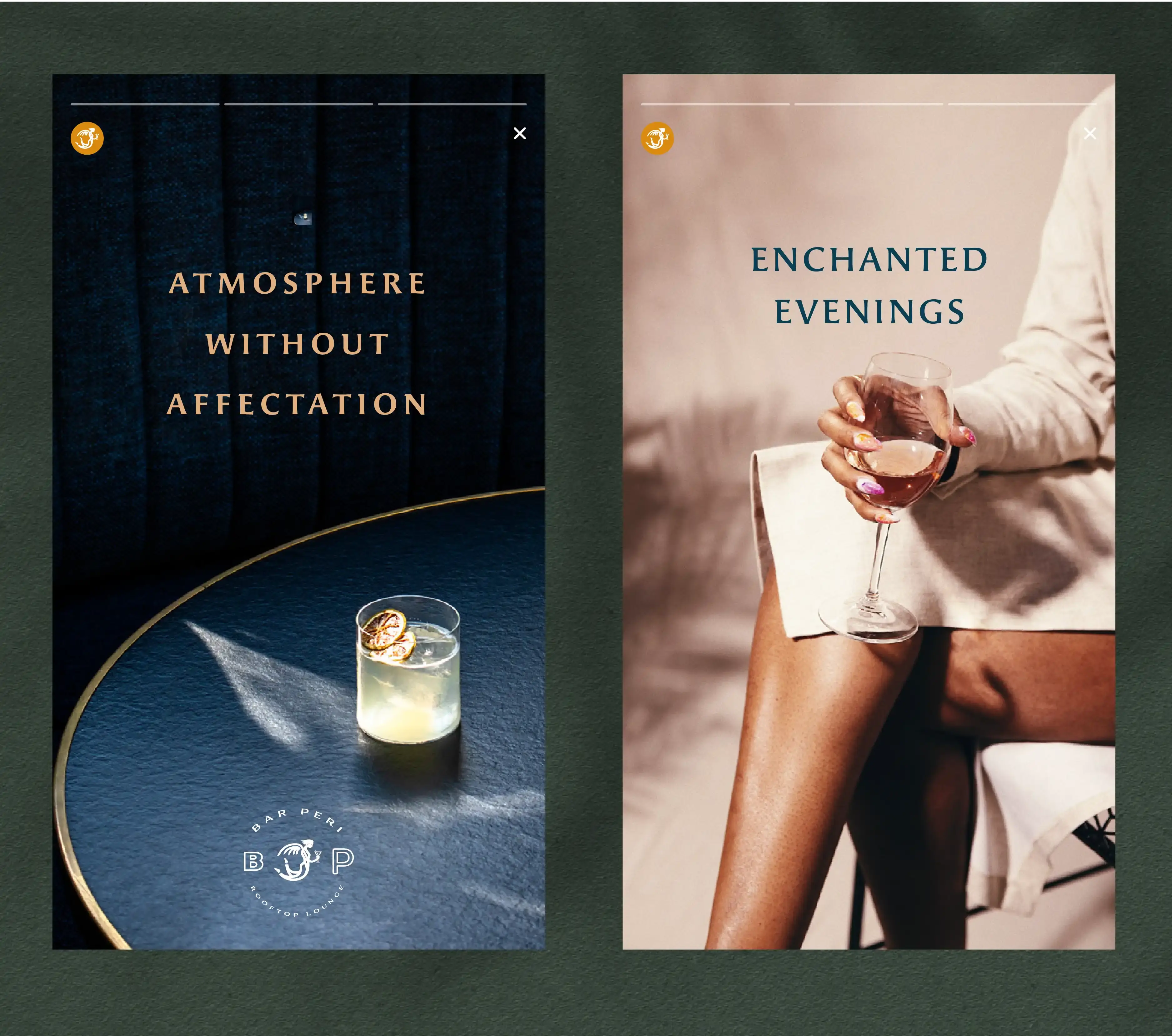
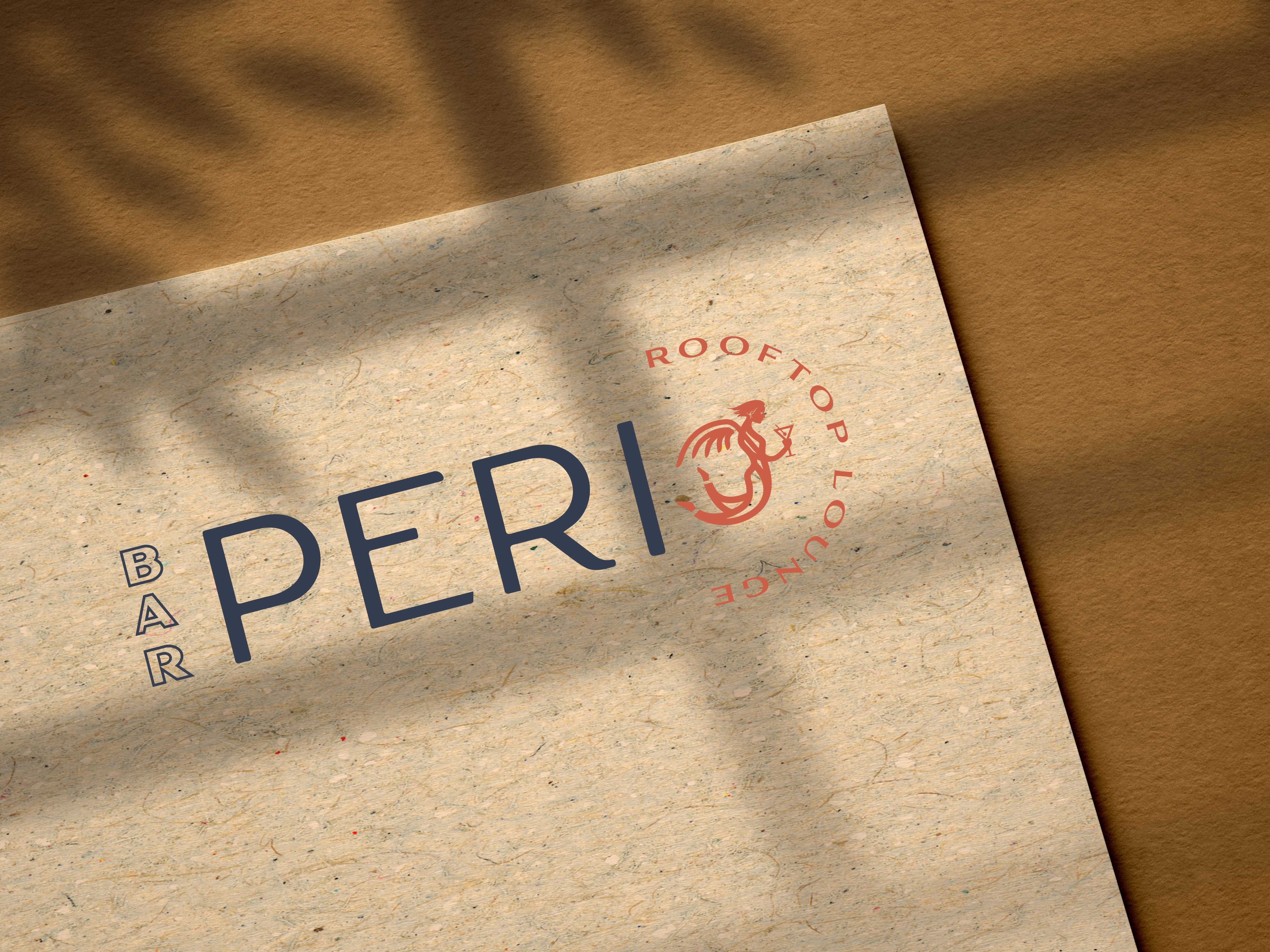
Visual identity alignment came to life in our work with Bar Peri. We created a distinct visual language that included dynamic photography, playful illustrations, and clever statements. Our team also leaned into nostalgic, fun patterns and textures that more fully connected guests to the space's intention. The logo, typography, and color palette work together to feel relaxed and refined, never flashy or overworked.
Delivering a Reliable Brand Experience
The true test of a strong brand isn’t how it looks in an ad or on a billboard. Instead, it’s how regularly it shows up from the moment a guest lands on your website to the moment they leave your restaurant. Bringing together all of the components of your brand into a seamless experience is a strategic imperative for every restaurant leader.
According to the National Restaurant Association, many restaurant customers, including 64% of full-service customers and 47% of limited-service customers, say that the complete dining experience is more important than the price of the meal.
Consistency is what turns first visits into repeat visits. It develops trust, reinforces expectations, and creates the emotional familiarity that drives loyalty and retention.
Yet many restaurant operators still treat branding as a one-time milestone, something to finalize before opening day. In reality, branding is a living system. It requires persistent attention, refinement, and alignment as the restaurant evolves, expands, or responds to changing guest expectations.
McDonald’s delivers consistency through operational discipline. No matter the location, guests know what to expect. The experience reinforces familiarity and reliability at every touchpoint.
Shake Shack achieves consistency through intentional experience design. While individual locations may vary, the brand story remains intact.
Different models. Same outcome. Both brands succeed because every touchpoint reinforces the same story.
For guests, that story should feel unified across:
- Website, reservations, and digital ordering
- Arrival, signage, and host stand
- Menus, table settings, and packaging
- Interior graphics, materials, and finishes
- Staff language, tone, and service style
When these elements are aligned, nothing feels accidental.
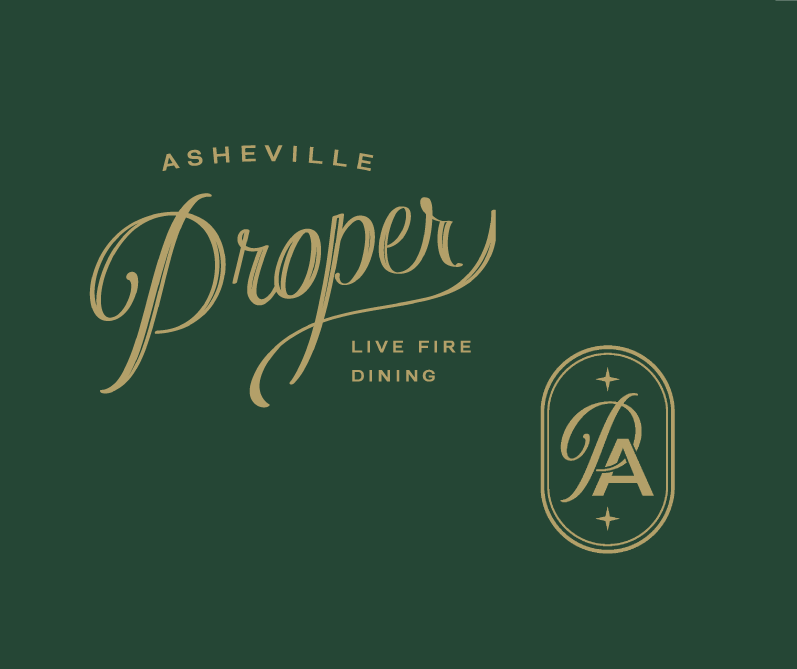
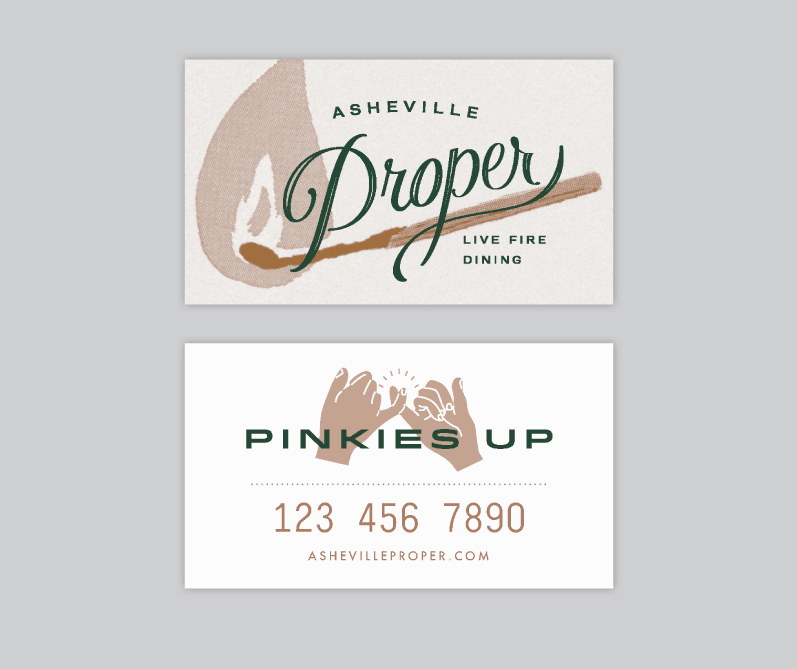
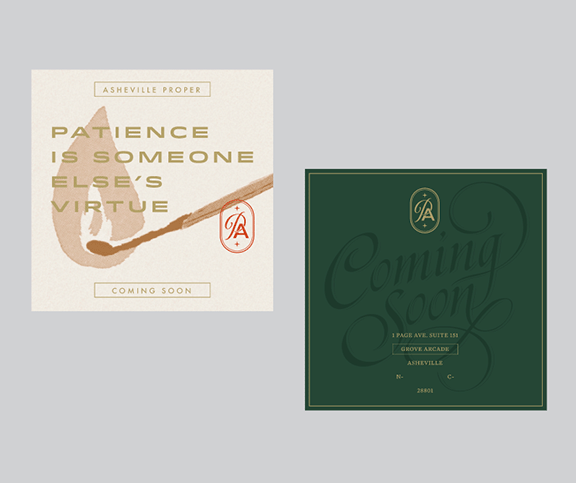
That level of cohesion is evident in our work with Asheville Proper, where the approachable, playful brand identity flows seamlessly from the website and marketing to the in-person experience. Every touchpoint feels intentional, unified, and thoughtfully designed.
This is the final and most important component of a strong brand. Guests shouldn’t consciously notice your branding. They simply feel that it’s right. And that feeling is what keeps them coming back.
Bringing the Brand Into the Space
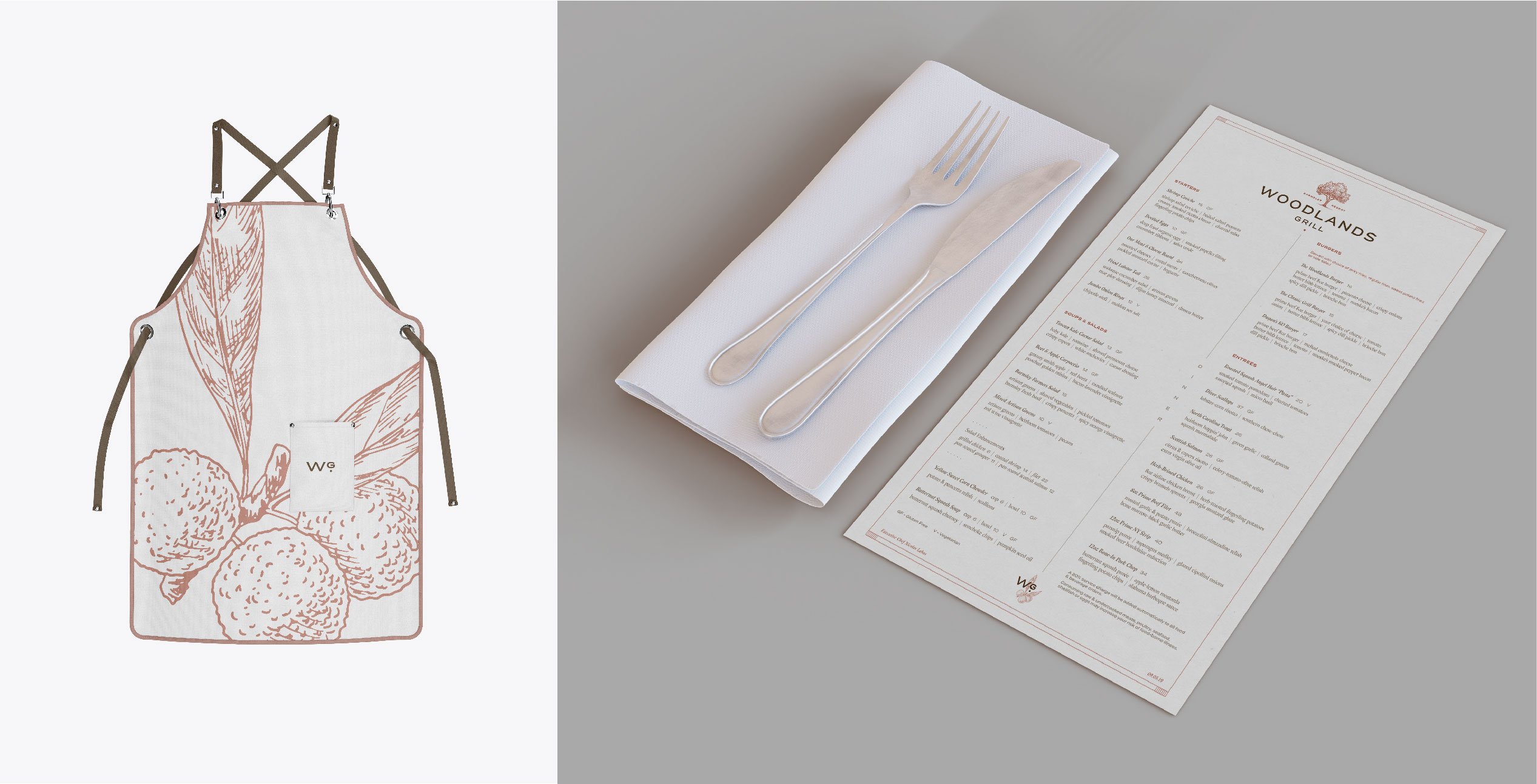
Menus as Experience Builders
Menus are one of the most powerful branding tools in (and even outside) your restaurant. Long before a guest sits down, your menu has already begun shaping expectations. In fact, 83% of diners review a menu in advance, and nearly half decide what they’ll order before they arrive.
Visual appeal matters too: 65% of diners say an attractive menu influences their ordering decisions. Food images affect nearly three out of four guests. Some experience a positive impact, and others have a significant negative response.
But a strong menu does more than inform. It reinforces your brand.
A well-designed menu:
- Reflects brand voice and visual identity through language, layout, and tone
- Guides ordering decisions without overwhelming the guest
- Builds confidence in food quality, service, and pricing
- Supports the overall experience your brand promises
Design, materials, and production matter just as much as content. Paper weight, finishes, durability, and print quality all signal intention. A thoughtfully produced menu can subtly shape how guests perceive value before the first bite.
Environmental Branding
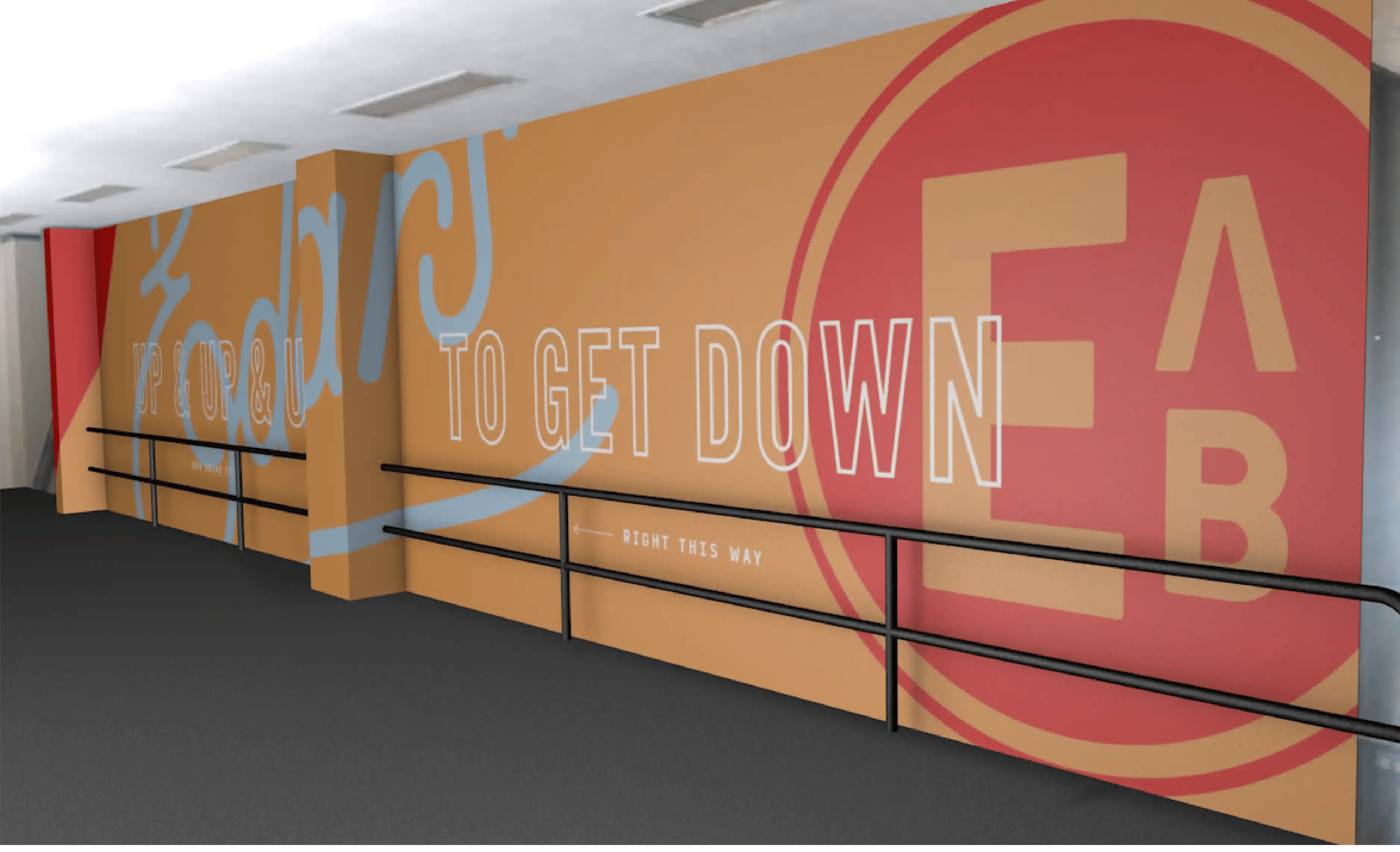
Environmental branding is how your brand shows up physically in your brick-and-mortar locations. It affects how guests feel the moment they walk through the door and how that feeling carries through the entire experience. Materials, layout, signage, lighting, and graphics all work together to reinforce the story you’re telling. When done well, the space feels intuitive. Guests know where to go, how to move, and what kind of experience to expect, without being told.
This alignment was brought to life at Edgar’s Above Broad. The design team translated the brand story into the physical space through environmental graphics that served as directional signage while showcasing the playful new brand. The space included multiple surface materials (metal and concrete). The design also had to accommodate columns and railings.
When your physical space reflects your brand’s story, the environment becomes an active participant in delivering a cohesive, memorable brand experience.
Branding at Scale
Once a restaurant brand moves beyond a single location, the challenge shifts. It’s no longer simply about providing an engaging experience; it’s about repeating it consistently, again and again, in different markets, with different operators, teams, and timelines.
This is where many growing brands struggle. In the absence of clear brand guardrails, franchise locations begin to interpret the brand on their own. Menus drift. Signage varies. Tone changes. Local decisions slowly erode the experience guests expect.
The most successful franchise brands treat branding as an operational system, not just a creative one. They understand that it's critical to provide every location with the tools, standards, and support to supply the same brand promise with confidence.
Phase 3 Marketing & Communications helps franchise and multi-location brands scale smarter. Through centralized brand systems and efficient marketing fulfillment, franchisees can execute confidently without reinventing or compromising the brand.
When brand assets, environmental graphics, menus, and promotional materials are easy to access and easy to deploy, location leaders spend less time guessing and more time providing the experience guests expect.
Brand Guidelines
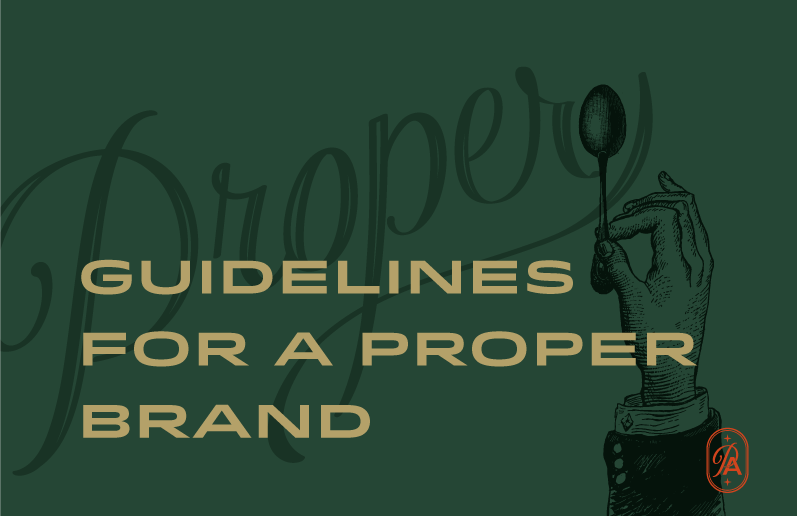
Whether you have one location or hundreds, one of the most important challenges in bringing a brand to life is sustaining clarity. Clear brand guidelines ensure the story guests first encounter is the same one they experience again and again, no matter the channel, location, or staff member involved.
Brand guidelines are a shared rulebook. They define how the brand shows up visually, verbally, and experientially. Effective brand guidelines go far beyond how to use your logo. They typically include:
- Visual standards for logos, color palettes, typography, graphics, and photography
- Verbal guidance for voice, tone, and language
- Direction on how the brand should feel in physical spaces and guest interactions
- Practical examples of what to do and what to avoid
The goal isn’t to limit creativity. It’s to remove ambiguity. When guidelines are clear, the brand shows up reliably without constant oversight.
Should I Launch a New Brand, Rebrand, or Refresh My Existing Brand?
Brand change is one of the biggest decisions a leader can make and one of the easiest to misunderstand. A new brand, a rebrand, and a refresh serve very different purposes.
A rebrand is a full reset. It includes a new name, logo, positioning, and narrative. Leaders stake this path when the existing brand no longer reflects what the restaurant is or where it’s headed.
A refresh is an evolution. It modernizes the brand by updating select elements, such as typography, color palette, menu design, or interior finishes, while preserving the core identity guests already recognize and trust.
Most established brands follow a natural rhythm. They rebrand roughly every 7 to 10 years, when strategy or market relevance shifts, and refresh every 3 to 5 years, to stay current and competitive without disrupting loyalty.
Recent years have shown us why this timing matters. As differentiation increasingly shapes dining decisions, many restaurant brands have used refreshes and rebrands to regain momentum. Some efforts (Red Lobster, for example) have paid off by restoring relevance and confidence. Others (remember Cracker Barrel’s refreshed logo?) have stumbled by changing too much, too fast, or without a clear strategy.
The best time to consider a change is when:
- The original concept has drifted or become unclear.
- Ownership or leadership has changed.
- Expansion or franchising is on the horizon.
- Guest expectations and competitive pressures have evolved.
A successful refresh keeps what works and fixes what doesn’t, without confusing loyal guests. A thoughtful rebrand creates a clear break from the past while preserving trust. And in some cases, launching a completely new brand is the smartest way to move forward without baggage.
The common thread is intention. When brand decisions are grounded in strategy rather than reaction, they don’t just look better, they perform better.
Measuring Whether Your Branding is Working
Branding isn’t abstract. When it’s working, it shows up in behavior. You can see it in what guests choose, how often they return, and what they’re willing to pay for the experience.
While branding is inherently long-term, it is measurable. The goal isn’t to track every ticket or table turn. To measure brand, watch for signals that indicate whether your brand is becoming more recognizable, more meaningful, and more preferred.
Brand Awareness
Before guests can choose you, they have to know you. Brand awareness reflects how present your restaurant is in the minds of your target audience and whether you’re part of their consideration set.
You can measure awareness through:
-
Unaided and aided awareness in consumer surveys
-
Social media mentions, reviews, and engagement.
-
Branded search volume and direct website traffic
-
Word-of-mouth indicators and referral traffic
Rising awareness is important because it often points to future intent.
Brand Relevance
Awareness is just the start. Relevance measures whether guests believe your restaurant offers something distinct and valuable compared to other options. It’s the difference between being known and being chosen.
Brand relevance can be assessed through:
- Customer satisfaction surveys
- Net Promoter Score (NPS)
- Analysis of decision drivers such as menu appeal, atmosphere, value, and service
When relevance is deep, guests can articulate what makes your restaurant worth seeking out.
Brand Preference
Brand preference reflects what happens after repeated interactions. It measures the loyalty your brand holds over time. It shows up when guests choose you without hesitation, even when alternatives are nearby.
You can gauge brand preference through:
-
Repeat visit rates and frequency.
-
Loyalty program participation
-
Willingness to recommend or advocate
This is where branding produces compounding returns.
When brand strategy is successful, your brand becomes a true business asset, one that quietly influences guest behavior long after the first impression.
How Phase 3 Approaches Restaurant Branding
Branding deserves time and care. Our brand strategy process is iterative, meaning we start with the foundational elements and then build from there. Each phase has its own set of goals, intentions, and tactics.
Phase 3 works through these four phases:
-
Intelligence – Research, interviews, and insight
-
Strategy – Purpose, positioning, and voice
-
Creative – Visual identity and language
-
Activation – Bringing the brand to life everywhere
Our process delivers a brand that is authentic, usable, durable, and aligned with operations. No matter your business goals, establishing a powerful brand is acritical strategic investment.
Learn more about our brand strategy process here.
Real-Life Restaurant Branding Examples
Auro Hotel’s Juniper Rooftop Restaurant & Bar
Edgar’s Above Broad by Goodwill Industries of Middle Georgia
Woodlands Grill at Barnsley Resort
Dos Bocas by Legacy Ventures
AC Marriott Perimeter’s Bar Peri
Final Thought: Branding is Hospitality Made Visible
Restaurant branding is not about having a clever tagline, a celebrity spokesperson, or a splashy Super Bowl ad. It’s about being clear, authentic, and accessible.
At its core, the “secret sauce” of restaurant branding is hospitality made visible. It’s about making guests feel something specific and delivering on that promise consistently.
If you’re planning a launch, refresh, or expansion and want your restaurant to stand for something clear and lasting, Phase 3 is a restaurant branding agency with deep hospitality experience.
Explore our Brand Strategy & Design services or start a conversation with our team. We’ll meet you where you are and help you build a restaurant brand that guests remember.