
A developer launched a luxury apartment community targeting “young professionals earning $100K+.”
The media plan was tight. The creative was polished. The messaging highlighted high-end finishes, sleek design, and proximity to downtown. The audience targeting checked every demographic box, including age, income, education, and location.
They had a good amount of tour traffic. But leasing never took off. When the team started asking better questions during tours, the issue became clear.
The prospects looked right on paper, but they didn’t convert. Many were early in their careers, highly mobile, and more interested in flexibility than long-term living. Others felt disconnected from the brand. It was too polished, too formal, too far removed from how they actually wanted to live.
Meanwhile, a different audience, slightly older, design-conscious, and looking for a more intentional lifestyle, barely noticed the property at all. They were in the same income bracket and looking for a home in the same general location. Yet they had completely different motivations, more aligned with the community. But they weren’t the ones receiving the property’s targeted messaging.
That’s the gap demographics alone can’t close, and it’s exactly why psychographics matter.
What Psychographics Tell You in Property Marketing
In property marketing, it’s easy to default to demographics. Age, income, and job title feel concrete. They’re easy to find, measure, target, and report on.
But they rarely explain why someone chooses one property over another.
That decision is emotional, often subconscious, and formed by lifestyle, values, and identity. In fact, research shows that almost all consumer decisions are driven by our subconscious, not by entirely rational factors.
That’s where psychographics come in.
What are Psychographics?
Psychographics focus on how people think, what they value, and how they want to live. They are the qualitative insights behind decision-making.
They include:
-
Lifestyle (how someone spends their time)
-
Values (what matters most)
-
Interests (what they pay attention to)
-
Aspirations (who they want to become)
-
Personality traits (how they make decisions)
In property marketing, this translates into a much clearer picture.
Instead of asking:
-
“What can they afford?”
Psychographics ask:
-
“What kind of life are they trying to build?”
For property marketers, that shift is critical. Because no one chooses a home based solely on square footage. They choose it based on how it makes them feel and how it fits into their identity.
Why Psychographics Drive Better Results
You Stop Marketing Features and Start Marketing Meaning
Most property listings focus on what a community offers:
-
Quartz countertops
-
Fitness center
-
Rooftop lounge
Features like these matter, but they don’t differentiate one property from another.
Psychographic-driven marketing connects those features to meaning:
-
A quiet space to reset after a demanding day
-
A social environment built for connection
-
A home that reflects personal success or creativity
That shift creates emotional relevance, which in turn drives action.
You Attract the Right Prospects (Not Just More of Them)
Without psychographics, your targeting may be too broad. You generate traffic, but not conversion.
With psychographics:
-
Messaging attracts aligned prospects.
-
Unqualified leads self-select out.
-
Leasing teams spend less time convincing and more time closing.
This leads to higher lead quality and faster, more consistent conversions.
You Build a Clear, Defensible Position
In competitive markets, many properties look similar on paper, making differentiation difficult.
Psychographics creates distinction:
-
Community-driven vs. private retreat
-
Energetic vs. refined
-
Functional vs. expressive
This is how you avoid what happened in the opening story: strong interest, low conversion.
What Psychographics Look Like in Property Marketing
Let’s dive a little deeper into how psychographics can inform your marketing. Psychographics typically fall into five key areas:
1) Lifestyle
How residents spend their time and structure their daily lives
-
Remote work vs. commuter lifestyle
-
Family vs. single lifestyle
-
Executive vs. retired
-
Fitness-focused vs. social-focused
-
Urban energy vs. quiet retreat
2) Values
What matters most in decision-making
-
Sustainability
-
Family and kids
-
Community and connection
-
Convenience and efficiency
-
Status and design
3) Aspirations
How residents see themselves now and in the future.
-
“I’ve made it” luxury positioning.
-
“I’m building a life here,” neighborhood identity.
-
“I’m raising a family” kids-focused community.
-
“I want balance” wellness-driven environments.
4) Interests
What the resident pays attention to
-
Dining, culture, and nightlife
-
Children’s play, learning, and activities
-
Outdoor activity and nature
-
Technology and smart living
-
Rest, wellness, relaxation, and health
5) Personality Traits
How the resident makes decisions
-
Analytical vs. emotional
-
Risk-averse vs. early adopters
-
Private vs. social
How Psychographics Influence More Than Marketing
One of the biggest misconceptions is that psychographics only apply to advertising. In reality, they have the power to shape your entire business strategy.
Before Planning or Investment
If you’re starting from the ground up, psychographics provide direction.
They help you:
-
Define your audience before locking in design decisions
-
Align amenities and unit mix with real demand
-
Position the property clearly from the start
This reduces risk and prevents expensive repositioning later.
Property Development
As your plans move into development, psychographics bring focus.
They influence:
-
Finishes and materials
-
Shared spaces
-
Layout and flow
With psychographics, you’re no longer designing for a broad audience. You’re designing for a specific way of living.
Active Leasing
If you’re trying to better understand your current property and future residents, psychographics can directly impact community performance.
They shape:
-
Marketing messaging and creative
-
Media placement
-
Sales materials
-
Leasing conversations
Without them, you generate traffic. With them, you generate alignment.
When prospects recognize themselves and their lifestyle in the property, conversion improves.
Retention and Resident Experience
Psychographics can also be useful after move-in. This is where long-term value is built. They help you create a community people want to stay in.
-
Resident Experience: Does the property deliver on what was promised?
-
Events and Programming: Are you creating meaningful experiences or just activity?
-
Long-Term Value and Retention: Do residents feel understood?
People stay where they feel like they belong. To successfully reach the right residents, you need to know who actually wants your property and why. It’s not just about who can afford it. When turnover is high and occupancy rates are low, psychographics offer deep insights into retention, as people stay where they feel valued and understood.
How to Start Using Psychographics Today
Consumers drop hints about their psychographics all the time. You don’t need complex systems to find them. You just need to know where to look.
Before You Build
-
Define your audience early
-
Use insights to guide market positioning, unit mix, and design decisions
-
Align internal teams around a clear resident profile
If You're Already in Market
1) Review leasing conversations for insights into prospects’ questions, concerns, and priorities
2) Analyze reviews and feedback for your community’s strengths and weaknesses
3) Ask your residents direct and open-ended questions
-
“What made you choose this property?”
-
“What does your ideal day at home look like?”
-
“What kind of lifestyle are you looking for?”
-
“How would you describe your home?”
4) Analyze prospects’ and residents’ behavior through:
-
Social media engagement
-
Website behavior
-
Content performance
-
Tours to lease patterns
5) Look for patterns in decision-making
Prioritize What Drives Decisions
While it’s important to collect robust data and insights, not all of it will matter.
Focus on the findings that:
-
Show up repeatedly
-
Are tied to prospect decision-making
-
Use strong emotional language.
This is where your unique brand positioning will become clear.
How Phase 3 Turns Insight Into Action
Collecting psychographic data only works when it shapes execution. Here’s how Phase 3 applies them:
Messaging That Reflects Real Motivation
Every headline, ad, and leasing message connects to what the buyer actually wants, not just what the property offers.
Brand Systems Built Around Audience Mindset
Naming, identity, and storytelling align with lifestyle and aspiration, not generic category language.
Consistent Experience Across Every Touchpoint
We align signage, materials, and environmental design to reinforce the intended experience. Our clients’ brands show up consistently in both digital and physical environments. Because consistency builds trust and trust drives decisions.
Related Reading
A Developer’s Guide to Marketing Master-Planned and Multifamily Communities.
The Power of Place: Branding Master-Planned Communities That Sell
Elevating Your Real Estate Development Brand
Case Study Artis Montrose
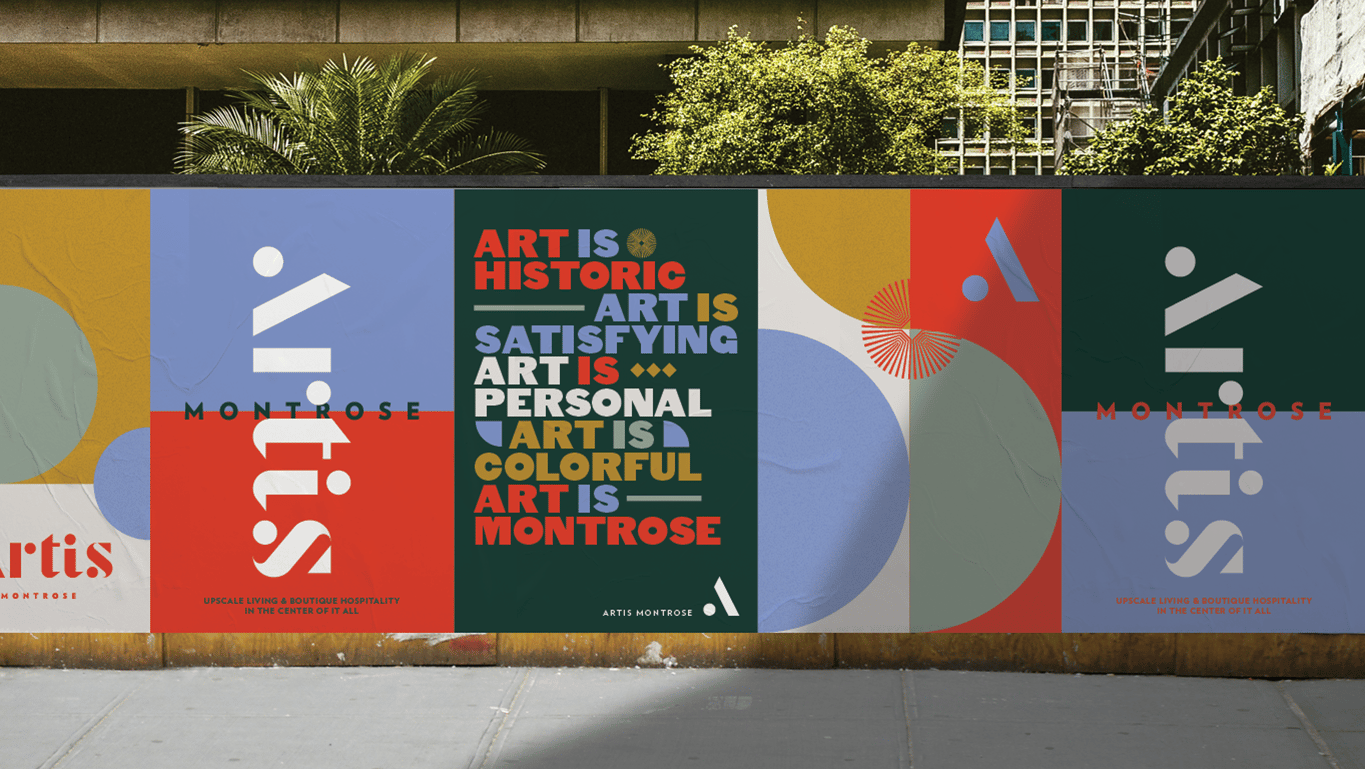
A strong example of psychographics in action is Artis Montrose in Houston. The property wasn’t just any other luxury development. It’s located in Montrose, a neighborhood known for its creative energy, cultural diversity, and mix of high and low culture. It’s a rich tapestry of old and new, lux and bohemian, queer culture, high culture, dive bars, and five-star cuisine.

The brand team worked with this client on a previous project, and the client trusted us to both push the creative envelope and use a data-informed strategy to create a distinct brand personality for this unique community. From name and logo to patterns and photography, we went for it with that balanced approach.
A demographic approach would have positioned the property as:
“Luxury apartments in a desirable urban location.”
Instead, we focused on psychographics.
We asked:
-
Who is drawn to Montrose and why?
-
What kind of identity does this neighborhood represent?
-
What does “home” mean to someone who chooses this environment?

The answers went beyond income or age. They revealed a desire for:
-
Self-expression
-
Creativity
-
Cultural connection
Those insights shaped everything:
-
The name Artis (derived from the Latin word for art)
-
A bold, expressive visual identity
-
Messaging rooted in artistic lifestyle and individuality
-
Design elements that reflected contrast, texture, and creativity
Rather than blending into the luxury category, the property became a reflection of the neighborhood and the people who wanted to belong to it.
That’s psychographics in action. Not only targeting the right buyer but also building a brand that they recognize themselves in.
The Power of Psychographics
The developer in the opening story didn’t need to change the property. They needed to change their perspective.
Instead of refining demographics or increasing marketing spend, they stepped back and redefined the audience through a psychographic lens.
They looked at:
-
What their ideal resident valued
-
How they wanted to live day to day
-
What “home” actually meant to them
The community’s positioning moved from generic luxury to a more intentional, design-driven experience centered on privacy, calm, and ease.
Messaging became more targeted and specific. Visuals became more impactful and relatable. Media placements focused on where the intended audience already spent time.
And the results followed.
Leads became more qualified and tours became more productive. Leasing conversations became easier.
The new messaging brought the right prospects into the community, with the intention that they would stay for the long term.
That’s the power of psychographics.
Meaning Wins
If your marketing only describes the property, you’re competing on features.
If your marketing reflects your audience’s mindset, you’re competing on meaning.
And in today’s market, meaning wins.
If your property isn’t connecting, it may not be a product problem. It may be a perspective problem.
That’s where we come in.
At Phase 3, we don’t just create marketing campaigns. We synchronize insight, brand, and execution so your property connects with the people it was built for, from first impression to signed lease.
Schedule a discovery call today.