
Creative agencies are being asked to operate at a more sophisticated level today than even a few years ago.
Clients no longer want isolated campaigns or static brand moments. They want immersive retail environments, experiential activations, pop-ups, live celebrity and sports experiences, mobile tours, and multi-market rollouts that generate measurable business impact. They expect speed, flexibility, consistency, and operational precision across every touchpoint. At the same time, timelines and budgets continue to shrink.
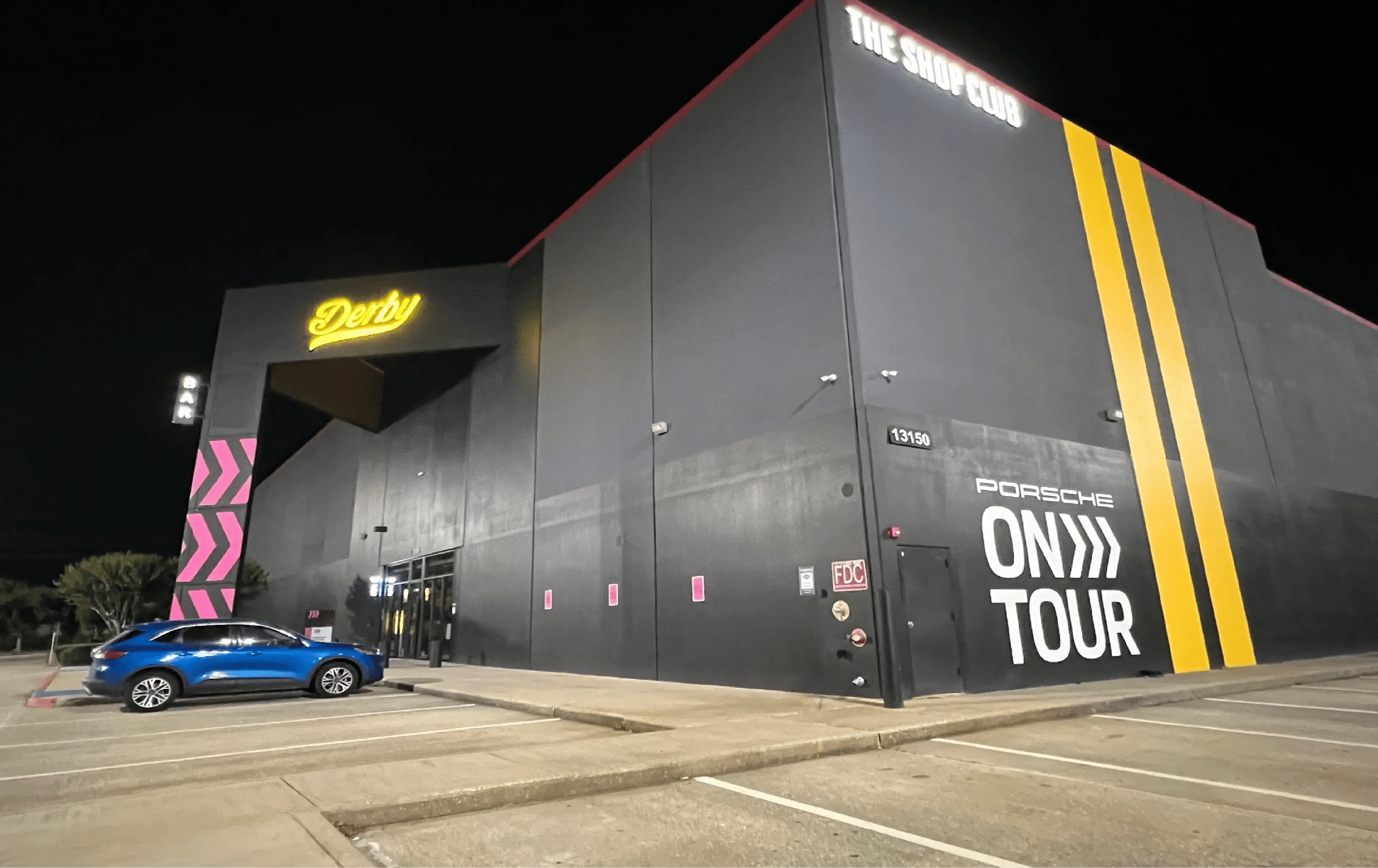
At a certain point, many growing creative agencies face the same realization. They see that creative vision is not where they’re experiencing barriers to client satisfaction. Nor is it why they’re experiencing constraints in business growth. The real pressure begins once the ideas move into production.
In addition to core creative strategy and development, agencies manage fabrication, logistics, installation, fulfillment, warehousing, shipping, and on-site execution for their clients. These increasingly complex services place enormous strain on agency teams that were never designed to function as production or operations service providers.
Smart agency leaders are rethinking how they approach production and execution. But they’re not building massive internal production departments. Instead, they’re building smarter execution ecosystems through strategic production partnerships. This helps them scale ambitious experiences (and their business) without overwhelming internal resources.
The Operational Pressure Behind Experiential Marketing
Experiential marketing is now operationally more demanding. Consumers seek immersive, interactive, and notable experiences that go beyond classic tactics. In-store retail blurs the lines between hospitality, entertainment, technology, and commerce. Sports activations and pop-ups need to generate meaningful engagement and digital content.
Client expectations are higher. So is the need for better coordination to deliver those experiences successfully. The more dynamic the activation becomes, the more moving parts agencies must manage behind the scenes.
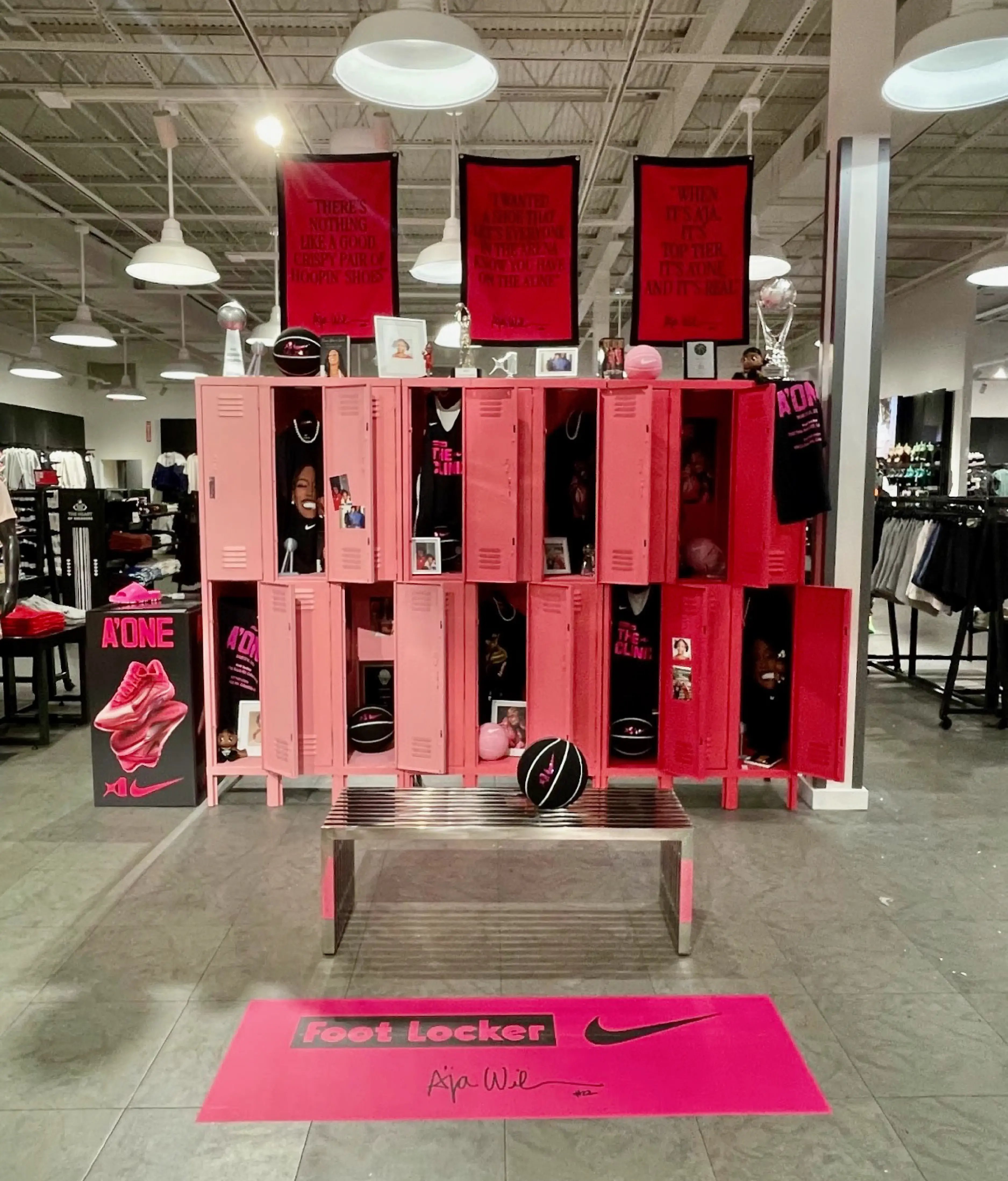
Inside the Reality of Modern Brand Activation
Imagine an agency wins a major experiential campaign for a national retail brand. The original concept during the pitch phase is straightforward. The client chose a multi-city pop-up event. The event will combine retail, hospitality, and social engagement in one immersive space. The client wants the experience to feel exclusive, highly visual, interactive, and built for social sharing. Leadership expects measurable traffic and earned media attention. They also expect flawless consistency across every market.
Then production starts. The campaign involves fabricating custom large-scale displays and printing temporary large-format environmental graphics. Plans call for handing out several forms of branded merchandise. The tight timeline calls for overnight installations across multiple cities with varying venue conditions.
One venue has polished concrete floors requiring specialized installation methods. Another sits inside a historic retail district with strict installation restrictions. A third allows installation only during a six-hour overnight window, reopening to the public the next morning.
At the same time, the campaign itself is evolving. Product launch dates change, and the creative team needs to adapt messaging and logistics timelines. The client adds revisions to the promotional materials late in the process. Shipping schedules tighten, and fabrication materials become unavailable. Installation crews must be coordinated across markets.
One late-stage revision can trigger cascading delays across fabrication, logistics, labor, installation, and budget. The agency account team ends up focusing more on operational management than on creative strategy.
This is the reality that many agencies now face. Creative vision still matters enormously. But execution determines whether the campaign succeeds or struggles.
Why Traditional Vendor Models Break Down
In the past, agencies relied on multiple vendors to handle portions of the campaign’s production and logistics. One partner handled fabrication, and another managed print production. Individual local vendors coordinated fulfillment, shipping, installation, and tech support.
That fragmented structure becomes difficult to sustain as experiential work grows more sophisticated. The more complex the project, the greater the risk involved. Communication gaps, unclear accountability, change-order confusion, and rushed production timelines can quickly compromise the quality of the final experience.
In short, transactional vendors fulfill assigned tasks. They have little skin in the game when changes or conflicts occur. In contrast, strategic production partners reduce risk, improve scalability, and protect the integrity of the client experience by being an active part of the internal team.
When Agencies Outgrow Their Production Infrastructure
Few creative agencies can manage large-scale production internally, nor should they.
Agencies deliver the most value when they focus on strategy, creative development, client relationships, storytelling, and campaign direction. As experiential programs become more ambitious, they demand more operational resources. This strains bandwidth, shrinks margins, and distracts creative teams from higher-value strategic work.
Forward-thinking agency leaders recognize that protecting their business means protecting their internal teams from becoming overwhelmed by production coordination.
That’s when the right execution partner becomes transformational. These partners aren’t vendors waiting for instructions. They’re collaborative extensions of the team invested in the success of each campaign. As such, they’ll take a proactive approach to identifying problems before they happen. They'll recommend solutions and help complete projects within budget, timeline, and venue constraints.
What a Production Partner Actually Does
A strong production partner supports far more than fabrication alone. The role often includes three critical functions:
Physical Brand Execution
This includes:
-
custom fabrication
-
large-format printing
-
environmental graphics
-
branded displays
-
experiential builds
-
promotional merchandise
Operational Coordination
This includes:
-
warehousing
-
fulfillment
-
logistics
-
installation management
-
national rollouts
-
asset storage and transportation
Experiential Production Support
This includes:
-
technical consultation
-
venue coordination
-
installation planning
-
production sequencing
-
material recommendations
-
engineering and safety considerations
The production partner’s goal is to help agencies execute ambitious ideas with precision and consistency at scale.
A Real-World Example of Execution Partnership
Returning to the retail activation example, a production partner helps the agency navigate the operational realities of the creative concept.
They help determine:
-
which materials will perform properly in each venue
-
how installations can be safe and efficient
-
how to stage and transport assets
-
what timelines are realistically achievable
-
how to preserve visual consistency across many markets
-
how to adapt fabrication approaches without compromising creative integrity
This collaboration helps the agency prevent operational issues before they happen. Their expertise protects the campaign’s timeline, budget, and overall results. More importantly, they help maintain the client’s confidence and the agency’s reputation.
The Best Partnerships Start Earlier Than Most Agencies Think
One of the most common agency mistakes is bringing production partners into the process too late. Fabrication teams usually come in after creative concepts, budgets, and timelines are set. At that point, execution becomes reactive instead of strategic.
The strongest agency-production partnerships begin much earlier.
Early production collaboration helps agencies:
-
validate feasibility
-
identify material limitations
-
recommend smarter fabrication approaches
-
refine installation strategies
-
prevent redesign costs
-
reduce rollout risk
-
align creative ambition with operational realities
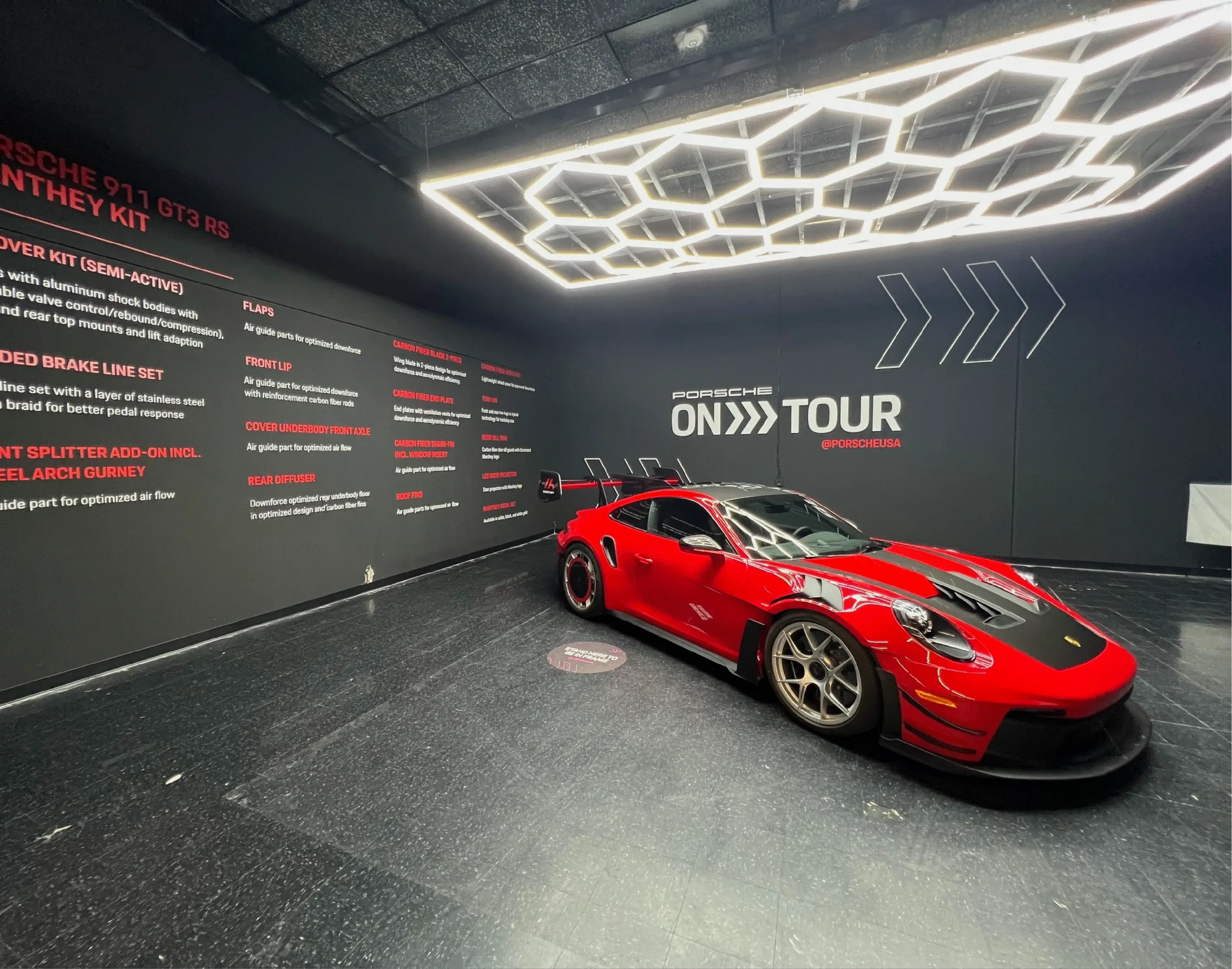
Experienced production partners can keep the original idea alive. They can also suggest better ways to boost scalability, durability, speed, or cost-efficiency. Collaboration becomes especially valuable in crowded public spaces where installation windows are hours rather than days.
Scale Changes Everything
Growing creative agencies need production partners that can scale with them. A single campaign may involve multiple installations, both temporary and permanent, across varied environments and/or markets. This variety creates complex warehousing and fulfillment requirements. It also affects installation, maintenance, and tear-downs.
Managing disconnected vendors across that ecosystem creates operational drag very quickly. Centralized production partnerships simplify execution by consolidating fabrication, printing, logistics, installation, fulfillment, and rollout coordination under a single operational structure.
That creates:
-
quicker execution
-
fewer communication lapses
-
lower coordination burden
-
reduced rework
-
improved consistency
-
stronger scalability without significant headcount growth.
For agencies managing more personalized and experience-driven campaigns, operational efficiency becomes a competitive advantage.
The Operational Side of Creativity Matters
While creativity defines a brand, operational execution shapes brand perception.
A stunning creative concept loses impact if:
-
installations arrive late
-
displays fail onsite
-
graphics look inconsistent
-
activations feel unfinished
-
rollout quality varies across markets
-
last-minute operational issues delay openings
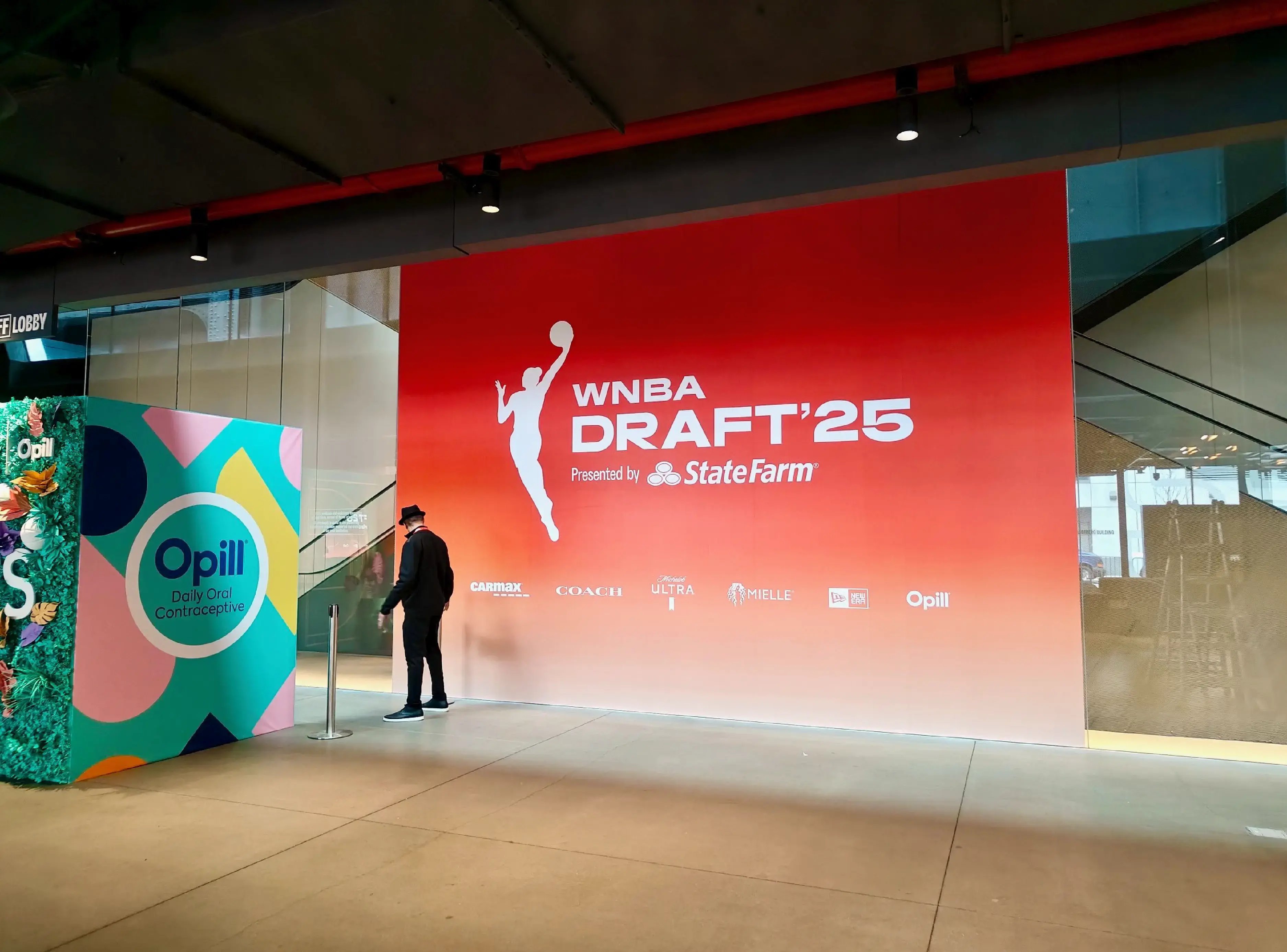
Conversely, flawless execution often amplifies the creative itself. Experiential campaigns succeed when creative, production, logistics, and installation teams operate in alignment. In experiential marketing, execution is part of the brand experience itself.
What Agencies Should Look for in Production Partner
Not every production company is designed for agency collaboration. The strongest execution partners typically share several characteristics.
Integrated Production Capabilities
Agencies benefit from partners capable of managing several production disciplines. Integrated operations improve accountability and reduce communication breakdowns.
National Rollout Experience
A great local fabricator may struggle with multi-market consistency. Agencies managing regional or national campaigns need partners that can coordinate installations, timelines, and logistics across locations.
Strategic Collaboration
Execution is critical, but it often falls short when it's not backed by strategy. Strong production partners proactively identify risks and challenge tactical assumptions when necessary. Then, they'll recommend smarter operational approaches that protect both budgets and creative integrity.
Operational Flexibility
If there’s one constant in experiential work, it’s change. Production teams must be comfortable adapting to shifting timelines, revised creative, venue restrictions, and shifting operational conditions without creating chaos.
Respect for Client Relationships
The best production partners understand they are extensions of the agency team. They work to strengthen agency credibility rather than compete for ownership of client relationships.
What Becomes Possible with the Right Partner
When agencies manage production execution strategically, they gain operational freedom without expanding internal infrastructure.
That allows agency leaders to:
-
pursue larger opportunities
-
expand experiential capabilities
-
improve speed-to-market
-
reduce operational strain
-
protect margins
-
improve rollout consistency
-
keep internal teams focused on strategy and creative growth
Most importantly, they can deliver ambitious experiences to clients with greater confidence.
Why Agencies Partner with Phase 3
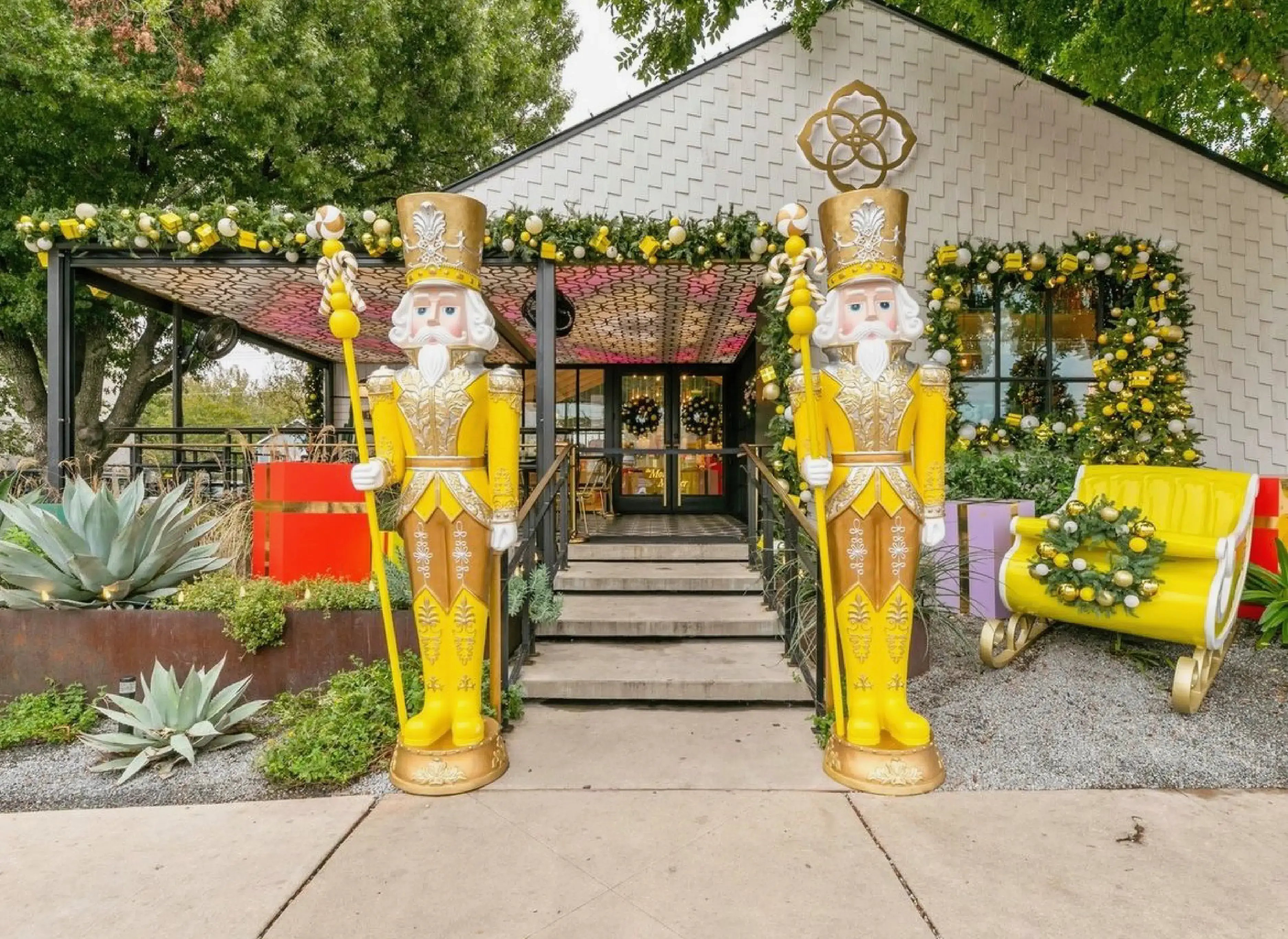
Phase 3 supports agencies nationwide with fabrication, large-format print, environmental branding, experiential production, logistics, installation, fulfillment, and rollout coordination.
Our work spans:
-
retail environments
-
sports activations
-
hospitality
-
higher education
-
corporate environments
-
entertainment
-
real estate
-
experiential brand activations and pop-ups
Each environment introduces unique operational requirements. This includes material considerations, engineering challenges, installation methods, and logistical demands.
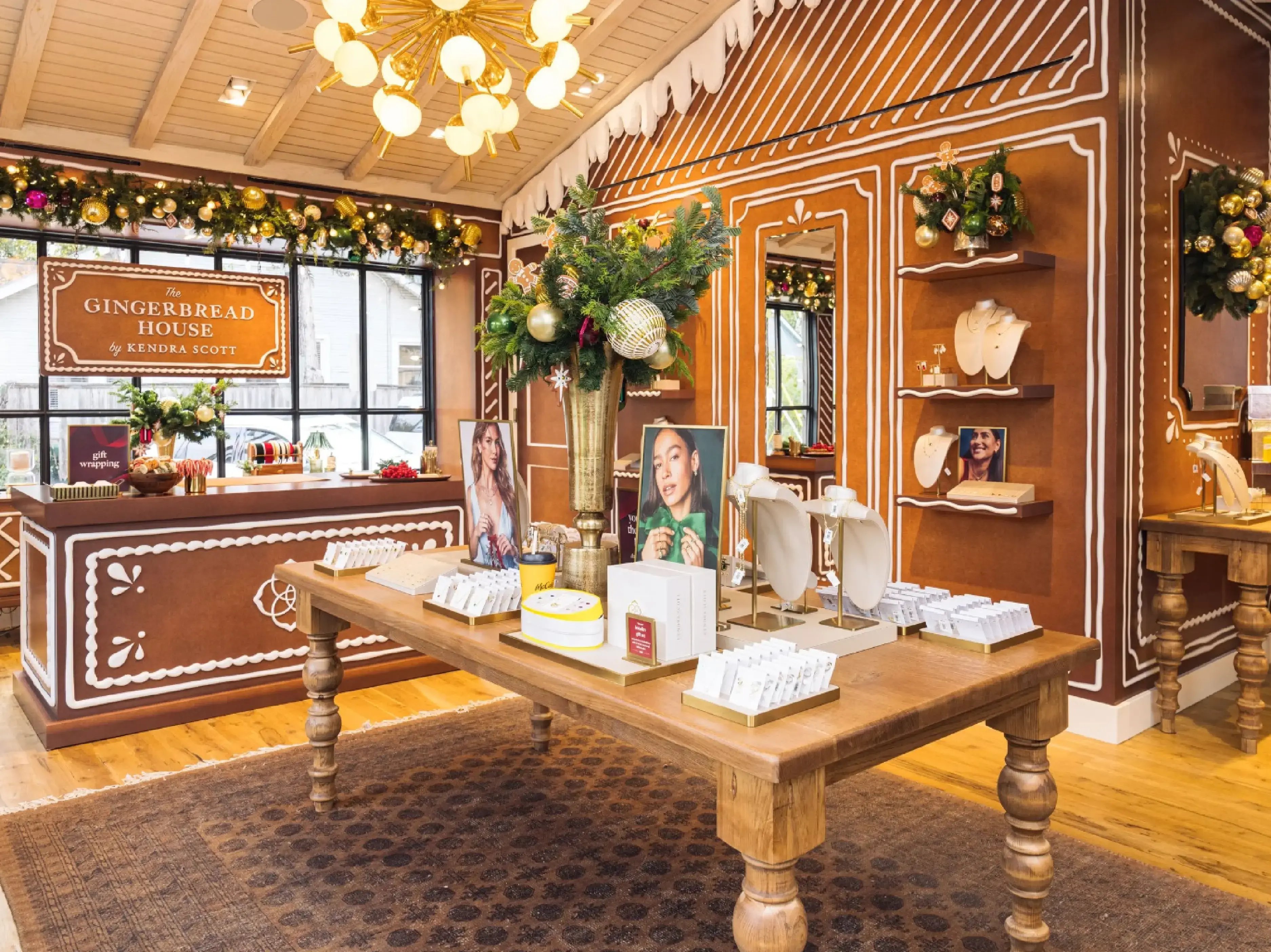
Phase 3 transforms creative concepts into fully realized brand environments through custom fabrication, material innovation, and large-scale installation expertise. Our team helps agencies execute complex experiential programs with precision, consistency, and operational confidence.
Here are a few of our collaborative agency partners.
Retail-Oriented Agencies
Experiential/Brand Activation Agencies
The Future of a Successful Creative Agency
Experiential marketing will continue to be more immersive, personalized, and operationally sophisticated. Brands want to invest in campaigns that spark engagement and loyalty. Experiential campaigns also need to scale across both brick-and-mortar locations and online. This places greater pressure on agencies to deliver experiences that function with precision across physical, digital, and operational layers.
The agencies that scale successfully will be the ones with the strongest execution ecosystems. In modern experiential marketing, production is no longer a back-end function. It’s part of the brand experience itself.
Let's Build Something Bigger Together
If your agency is handling more complex experiential, retail, or branded programs, our expert production team can help. We'll reduce your operational pressure and support you in scaling bigger ideas with more confidence.
Ready to simplify execution and scale smarter? Schedule a discovery call with the Phase 3 team to discuss your next activation, rollout, or experiential campaign.