
Barnsley Resort had strong fundamentals. The property was well-known. The setting was unique. The experience had depth. At the same time, leadership saw an opportunity to reach a new generation of guests and strengthen long-term results.
The work started with a simple question: What are guests actually looking for when they choose a destination like this?
Through research, one theme continued to surface. Guests were prioritizing time together, especially now on the heels of the pandemic. They were looking for places that made it easier to connect, slow down, and share meaningful experiences.
That insight became the foundation of the resort’s brand.
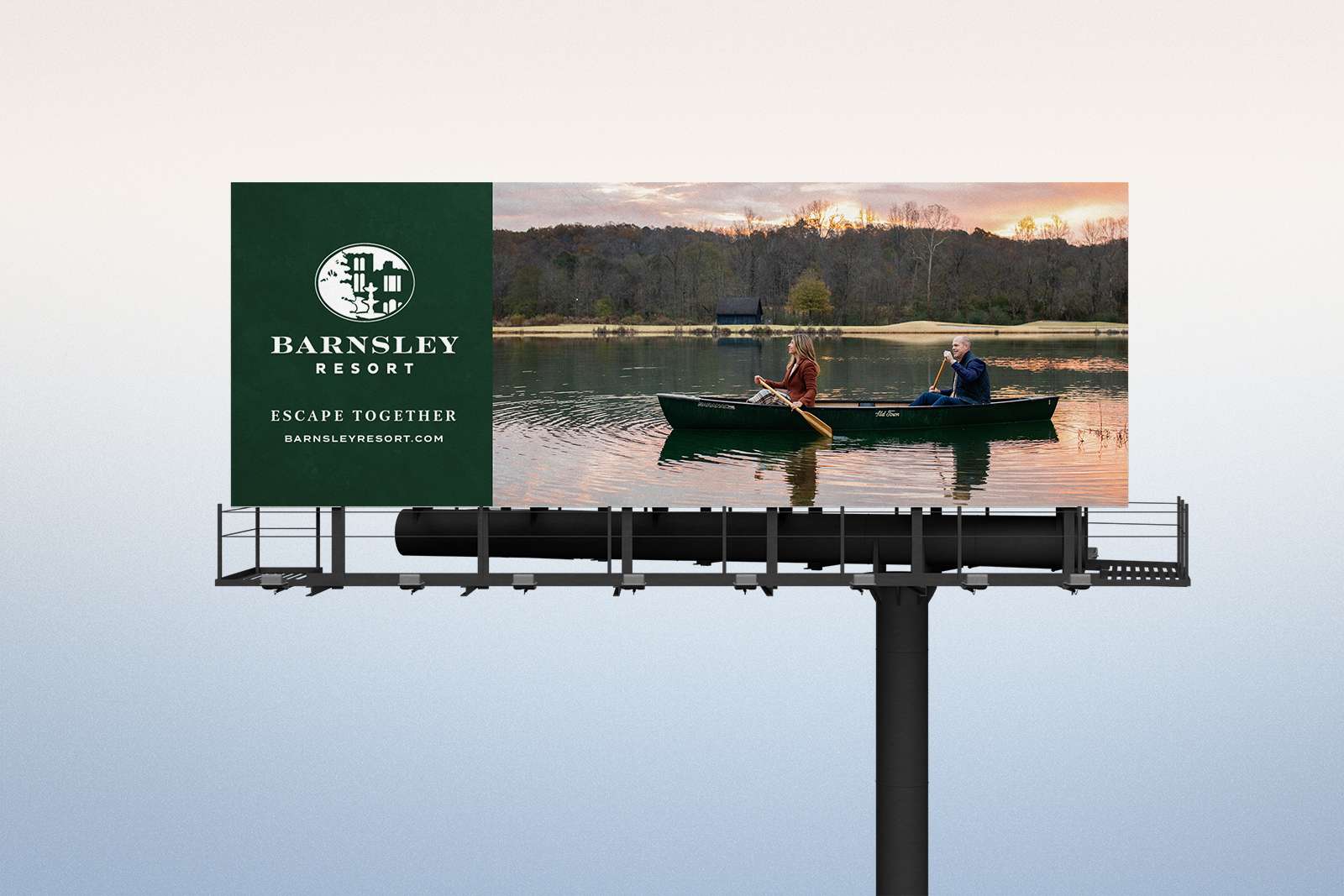
From there, decisions became more focused. Messaging was created to reflect that sense of togetherness, led by the tagline “Escape Together." New programs and amenities supported it. Every interaction and experience on the property was fostered to reinforce it.
The result was a clearer identity that struck a chord with the right audience and strengthened emotional connection.
This is the power of branding. It provides direction for business decisions and consistency in the guest experience. These factors enhance bookings, reviews, and repeat stays.
Why Brand Matters for Hotel Operators
Most hotel operators focus on occupancy and average daily rates to stay competitive. When performance lags, they often adjust pricing or run promotions.
Those tactics can create short-term momentum. But they don’t solve the underlying issue of inconsistent demand or misaligned guest expectations.
In many cases, the challenge is brand clarity. The hotel hasn’t taken a clear and strong position that speaks to their target audience.
When hotel branding is unclear:
-
Marketing reaches too broad an audience.
-
Messaging sounds like every other hotel in town.
-
Guests arrive with expectations that don’t match the experience.
-
Reviews vary widely.
-
Every team (not just marketing) makes business decisions without a shared direction.
Guests expect authenticity and consistency. Hotels gain traction when their brand is clearly defined and relevant. That clarity aligns how your property shows up across every experience, channel, and interaction.
What is Hotel Branding?
Branding is often reduced to a logo, website, or messaging. In practice, it functions as the framework that guides how your property operates and communicates.
Your brand defines:
-
Who your property appeals to.
-
What experience guests can expect.
-
How your property is positioned in the market.
It also influences how your teams make decisions across departments, from marketing and PR to operations and guest services.
Hotel branding determines how guests see, experience, and remember your property.
For hotel operators, this shows up in practical ways:
-
The tone and clarity of your website and booking experience.
-
The consistency of your on-property services.
-
The design of your physical environment.
-
The story told through public relations, advertising, and marketing.
When these elements align, guests perceive your brand as unified and purposeful. This consistency builds credibility and trust, making your property a clear choice.
Related Reading
Your Brand is Not Just Your Logo
Crafting a Narrative: Every Touchpoint Shapes Your Brand Story
What is Brand Strategy (and How it Guides Daily Decisions)?
Brand strategy becomes most valuable when it’s applied in everyday decisions.
In a hotel, teams make choices every day. They decide what to prioritize, which audience to target, how to enhance the guest experience, who they hire to support the guest experience, and where to invest in the property.
Without a shared brand framework, teams tend to make these decisions independently. Marketing focuses on driving demand, operations on delivering service, and leadership on revenue targets. Each effort moves forward, but not always in the same direction.
Brand strategy provides that shared direction.
It gives your team a way to answer questions like:
-
Should we target this audience?
-
Does this partnership fit our property?
-
Should we invest in this improvement, amenity, or experience?
-
How should we describe ourselves in the market?
Instead of relying on preference or urgency, your team makes decisions using a clear framework.
That framework consists of four components: research, mission, audience, and positioning.
Research: Understanding the Market and the Guest
Hotel branding strategy starts with knowing your market and your guests.
This includes:
-
Market conditions and competitive set
-
Guest behavior and booking patterns
-
Reviews, feedback, and sentiment
-
Gaps in the current experience
This step is frequently rushed or skipped. Yet, it makes the rest of the brand strategy relevant.
For example, through research, Barnsley Resort identified that guests were prioritizing time together. That insight shaped the entire direction of the brand and experience.
Without research, strategy becomes assumption. With it, you ground every decision in real data and demand.
Mission: Defining the Role Your Property Plays
Your mission clarifies what your hotel delivers beyond a place to stay and why that experience is relevant.
It answers:
-
What experience are we creating?
-
What do guests walk away with?
-
What role do we play in their travel experience?
For Barnsley Resort, the mission centers on connection. For other properties, the mission may focus on luxury, efficiency, wellness, or locality.
When your mission is clear, it becomes easier to prioritize resource investments, shape programming, and guide service standards.
Target Audience: Getting Specific About Who You Serve
Many hotels define their audience too broadly. Categories like “leisure travelers” or “business travelers” do not provide enough direction.
A defined audience uncovers:
-
Who your guests are.
-
What they value.
-
Why they’re traveling.
-
What influences their decision.
-
What they’re willing to pay.
This level of clarity helps avoid a common issue: attracting guests who are not a strong fit for the property. That mismatch often leads to lower guest satisfaction and inconsistent reviews.
Target Audience/Hotel Branding Examples
At Barnsley Resort, the target audience centered on couples and families looking for intentional time together.
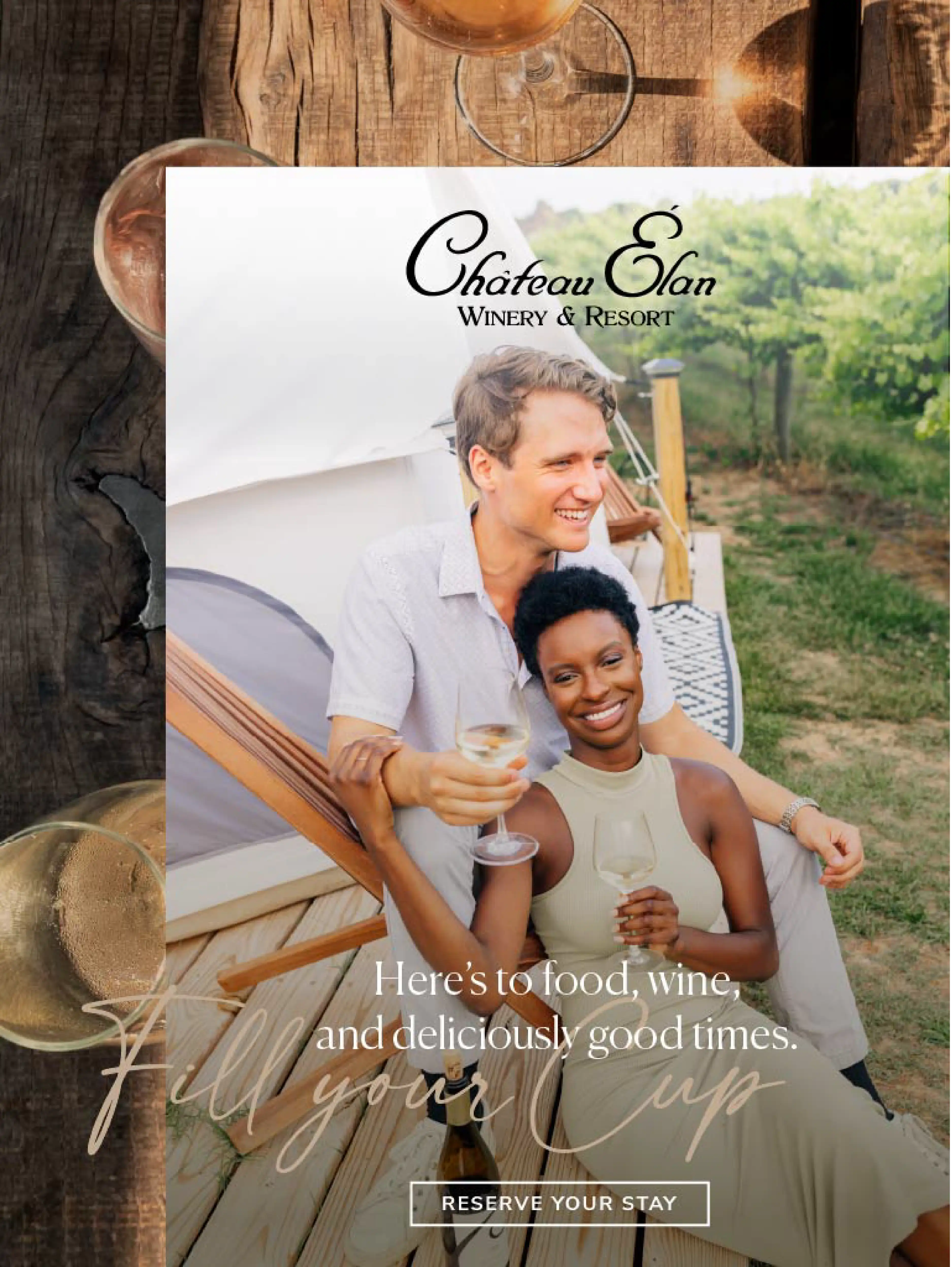
At Chateau Elan, the audience included leisure, wedding, and corporate guests, connected by a shared desire for a refined, experience-driven stay.
When your audience is clearly defined, messaging becomes sharper, and the experience becomes more intentional.
Related Reading
Could You Find Your Ideal Customer in a Crowd?
Going Back to Basics: Connecting with Customers
Positioning: Clarifying Why You're Chosen
Positioning defines how guests see your property in the market. It gives your team a way to explain what makes the hotel unique and why that matters.
This shows up across every touchpoint:
-
Website and booking experiences
-
PR and media storytelling
-
Sales conversations
-
On-property communication and environments.
Clear positioning helps guests quickly understand your property and feel confident in their decision to book with you. It also helps you stand out during the consideration phase.
Positioning influences loyalty directly. When guests understand what you offer and get that experience every time, they are more likely to return. Familiarity and reliability increase your value.
Positioning/Hotel Branding Examples
Barnsley Resort’s positioning focused on togetherness and shared experiences. The property leaned into connection, through programming, dining, and the overall pace of the stay.

At Chateau Elan, positioning was built around “Fill Your Cup,” allowing the property to serve a variety of guests through one unifying idea.
Clear positioning helps guests choose with confidence and return with intent.

Related Reading
The Beginner’s Guide to Brand Positioning in 2026
How Each Element of Brand Strategy Works Together
Research informs direction.
Mission defines the experience.
Audience creates focus.
Positioning clarifies how and why guests choose you.
Together, these elements create a clear brand direction. With this direction, decisions are more consistent across marketing, operations, and guest experience. Consistency drives stronger performance over time.
Brand Architecture: Organizing How Your Property Shows Up
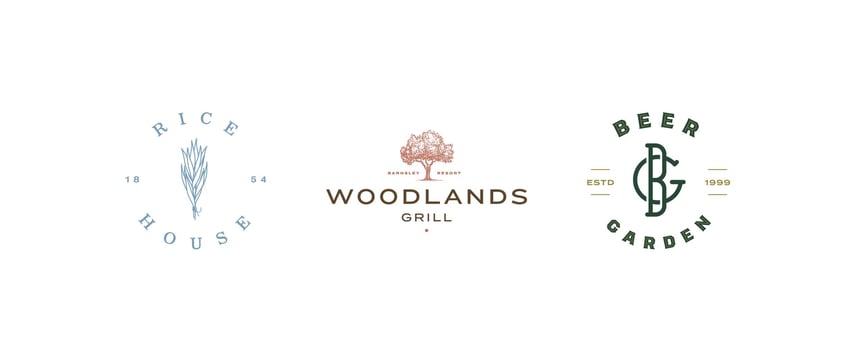
As hotels expand, complexity increases. Restaurants, spas, wellness programs, events, and retail each take on their own identity. They may have their own name, logo, taglines, or marketing. This can confuse guests and staff.
Brand architecture organizes how these elements connect. It provides a structure for how your brand shows up across offerings and touchpoints. This helps internal teams and guests understand how everything connects.

Common Brand Architecture Approaches
Brand House
All offerings use one main brand. The hotel name appears across experiences, creating a unified identity. This brings consistency and makes it easy for guests to recognize and trust the brand in every interaction. For instance, The Ritz-Carlton family anchors hotels, residences, and experiences with a unified, high-touch service expectation.
House of Brands (Sub-brands)
Individual properties and programs have their own names and identities while remaining connected to the parent brand. This structure allows for more flexibility. Leaders can customize each experience to a specific audience or purpose while still benefiting from the main brand's credibility. An example of an endorsed brand is Hilton Worldwide Holdings. The company includes more than 20 brands:
-
Luxury: Waldorf Astoria, Conrad Hotels & Resorts, LXR Hotels.
-
Full Service: Hilton Hotels & Resorts, Signia by Hilton, DoubleTree by Hilton.
-
Lifestyle: Canopy by Hilton, Tempo by Hilton.
-
Focused/Budget: Hampton by Hilton, Tru by Hilton, Homewood Suites.
Related Reading
What is a Sub-Brand and Why is it Important for Brand Success?
The Future of Sub-Branding: Trends and Innovations Shaping the Next Era of Brand Strategy
Choosing the Right Structure
The right approach depends on your property's design and how your guests engage with it. The goal remains the same: clarity. Guests should understand what you offer and how each experience fits together.
From Strategy to Execution: Building the Brand Across Every Touchpoint
Hotel branding strategy provides direction. Its value becomes clear in how it shapes what guests actually see, experience, and remember. After you do your research and define your mission, audience, and positioning, the next step is to turn that strategy into your brand's design elements.
This is where many properties lose consistency. Different teams move quickly to execute, but without a shared framework, outputs can drift or fall out of sync. When you apply strategy consistently, each element reinforces the others.
Messaging: Making the Story Clear
Messaging is how you communicate your positioning. It shows up in your website, advertising campaigns, sales materials, marketing campaigns, and guest communication. Clear messaging helps guests understand what your property offers and why it fits their needs. It creates a story that they want to be a part of or can see themselves in.
Related Reading
Crafting a Narrative: Every Touchpoint Shapes Your Brand Story
Visual Identity: Reinforcing the Experience
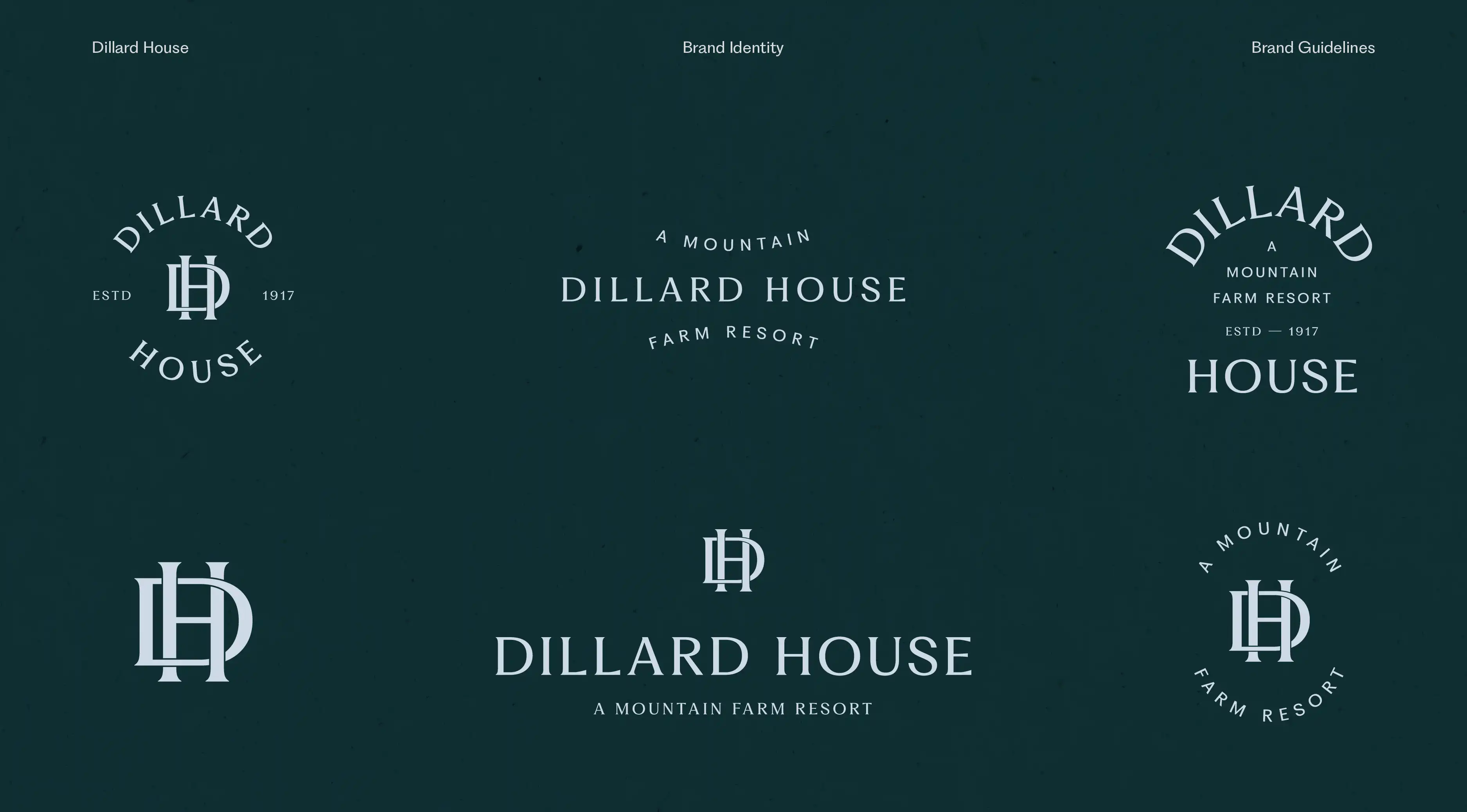
Visual identity brings your brand to life through design. This includes color, typography, photography, and layout. These elements influence how guests perceive your property before they ever arrive. It can also be the inspiration behind your property’s environment and experience. When visual identity reflects your positioning, it strengthens recognition and sets expectations. Visual elements play a major role in how quickly and clearly guests understand and recognize your brand.
Marketing: Reaching the Right Audience
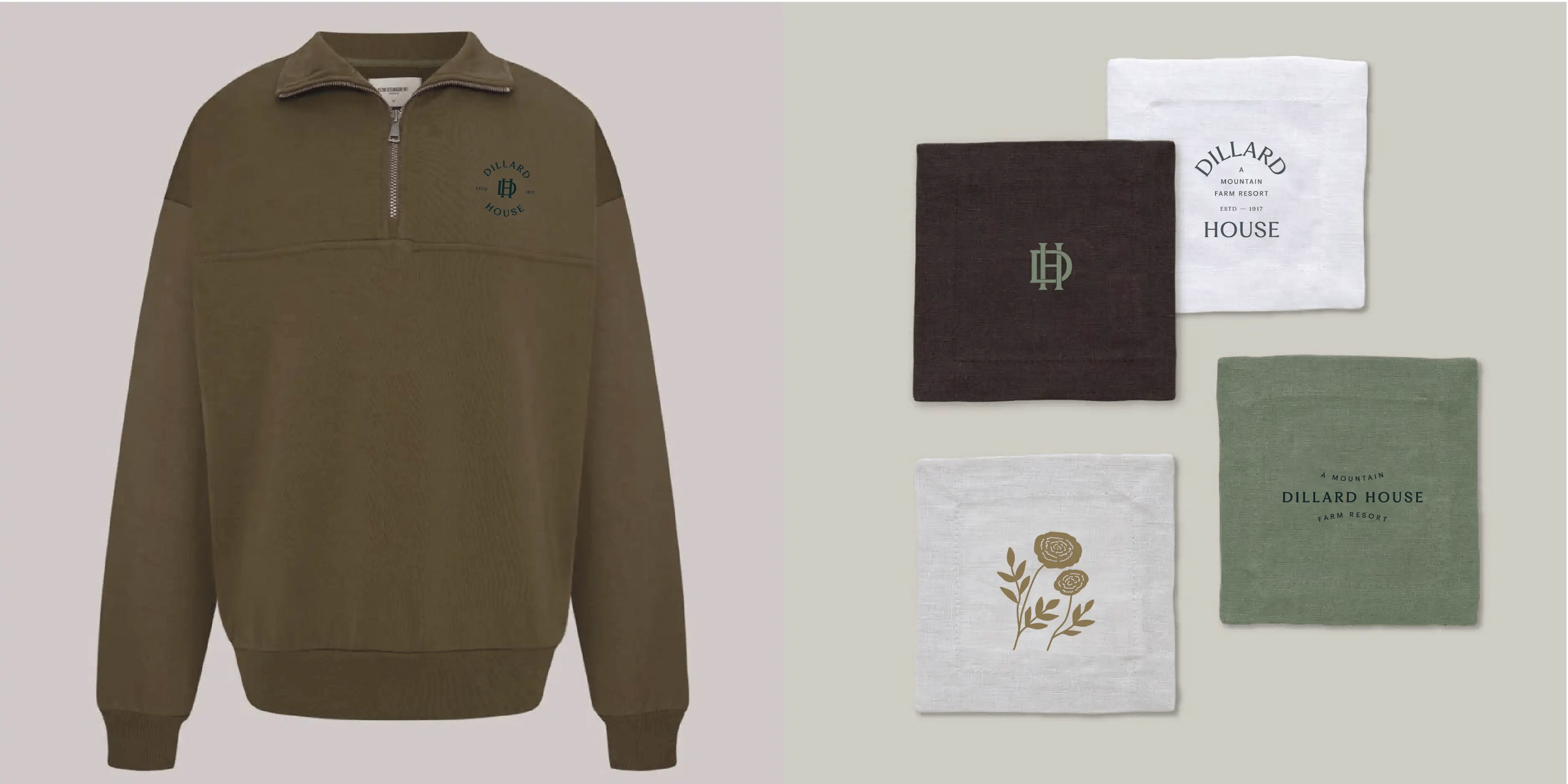
Marketing activates your brand. It’s your printed and digital marketing and sales items, including brochures, rack cards, direct mail, videos, ads, social content, and branded promotional swag and merchandise. When guided by strategy, marketing becomes more focused and efficient. Targeting improves. Messaging resonates more quickly. Campaigns attract guests who are a better fit for the experience.
Related Reading
The Power of Promotional Products: Boosting Brand Visibility and Measuring ROI
The Ins and Outs of Sales and Marketing Collateral
Public Relations: Building Credibility Over Time
PR extends your brand through third-party validation. Media coverage, influencer partnerships, and events can change how people see your property outside your own channels. A consistent PR strategy reinforces your positioning and builds trust over time. It also ensures your property is part of the right conversations in your market.
Related Reading
From Buzz to Brand Loyalty: Hospitality PR Unleashed
Harnessing the Magic of Brand Stories for Public Relations
The Long Game of PR: How Subtle Wins Build Brand Trust
Channels: Showing Up in the Right Places
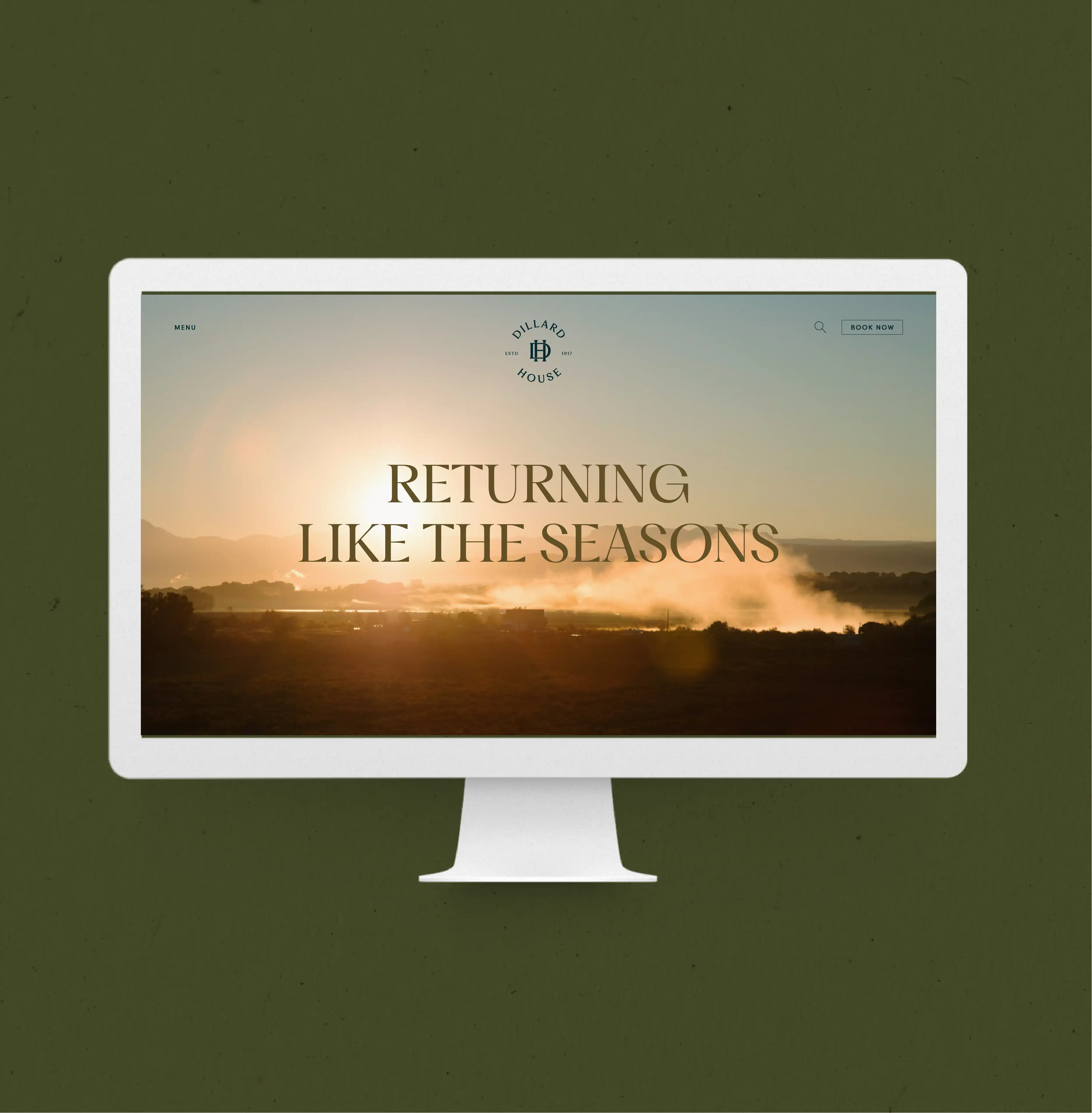
Your channels determine where and how guests encounter your brand. This includes your website, social platforms, email, booking channels, and media placements. When you align your channels with your audience and messaging, they work together to create a consistent experience.
Related Reading
The Ultimate Guide to Building a User-Friendly Website
Environments: Delivering the Brand in Physical Space
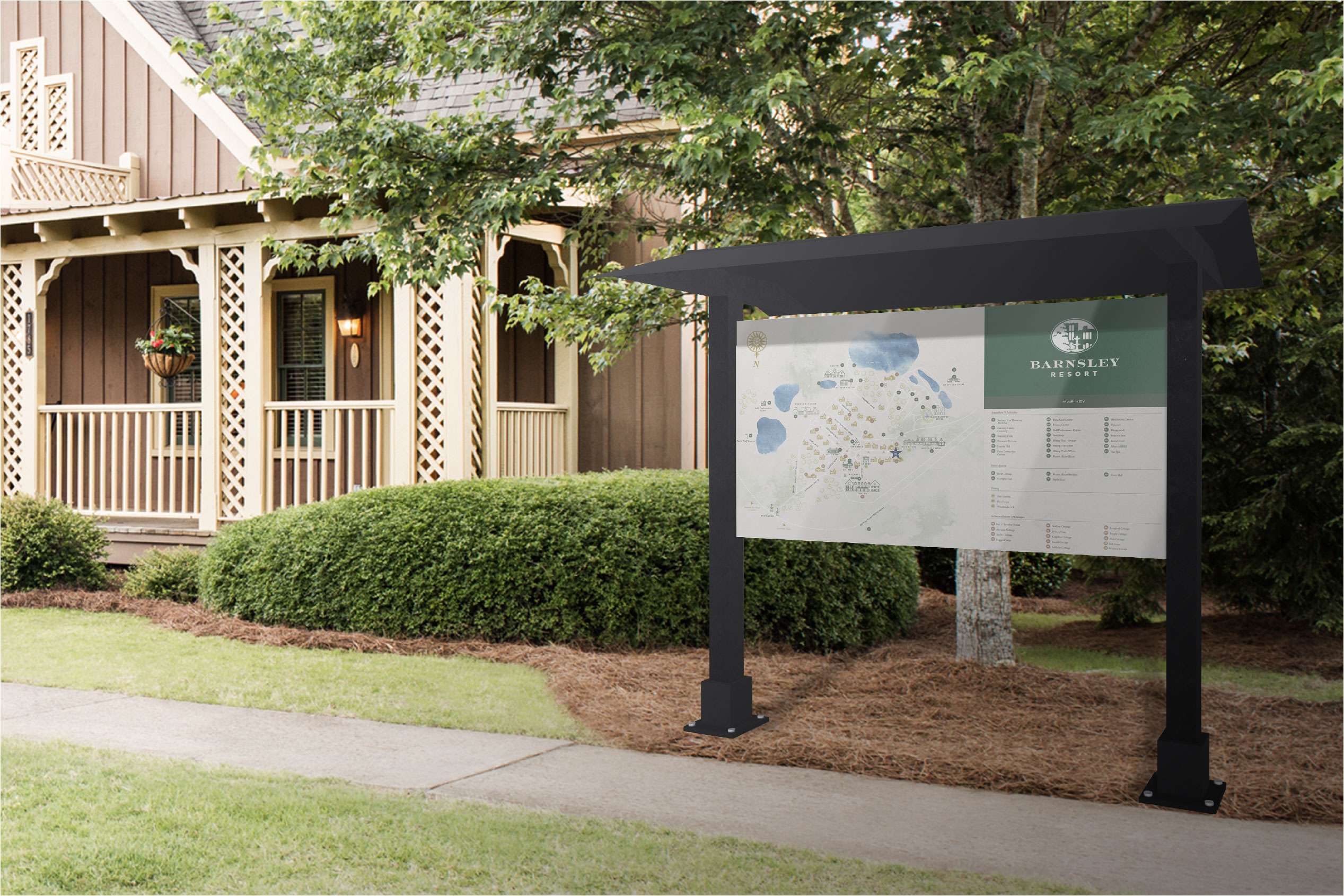
Branded environments are physical spaces designed to reflect your brand’s identity, ethos, and aesthetic. Lobby design, signage, interior finishes, lighting, and room layout all contribute to how guests experience your property. Environmental branding ensures that what guests see and feel on-site reflects the same story told through marketing and messaging.
Related Reading
Creating Immersive Experiences Through Branded Interior Design
The Dos and Don’ts of Environmental Graphics Installation
How Brand Strategy and Design Come Together: The Dillard House
At Dillard House, the brand is grounded in Southern hospitality, tradition, and a strong sense of place. That direction carries through each element of the experience.
-
Messaging reflects warmth and simplicity.
-
Visual identity feels rooted and familiar.
-
Marketing highlights mutual experiences.
-
PR reinforces heritage and reputation.
-
Channels preserve consistency.
-
The physical environment delivers what guests expect.
Each element supports the same brand identity and strategy, which makes the experience feel cohesive. Guests understand what they are coming for, and the property delivers on that expectation. That alignment strengthens satisfaction and encourages repeat visits.
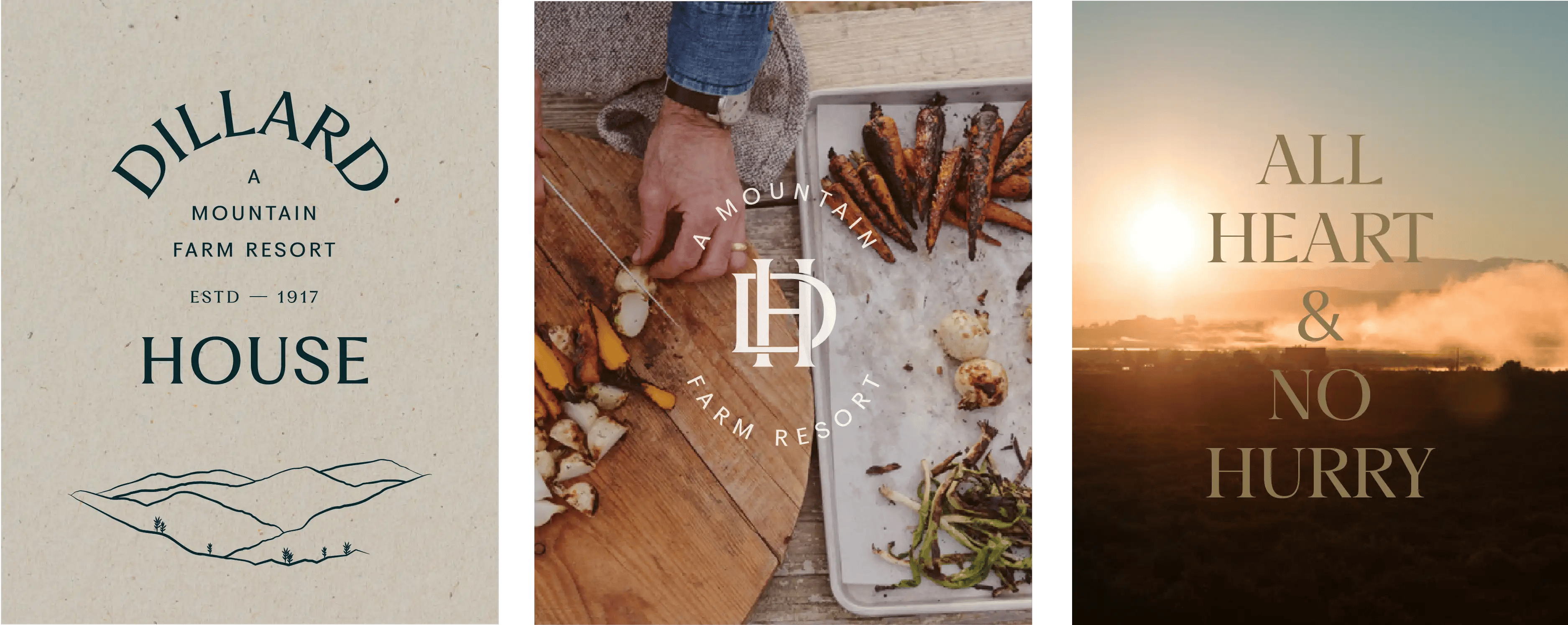
To see the full rebrand of the historic Dillard House in Rabun County, Georgia, click here.
Brand is What Brings It All Together
Barnsley Resort identified what mattered most to its guests and built its brand around that insight. That direction carried through messaging, experience, and operations, creating a property that feels consistent and intentional.
That same principle applies across the hospitality sector. Hotel branding shapes how your property is understood, experienced, and remembered. When your brand is clear, authentic, and rooted in research and strategy, every business decision becomes more focused. Marketing attracts the right guests. The on-property experience meets expectations. And your team operates with a shared direction. That alignment shows up in stronger bookings, more consistent reviews, and higher return rates.
If you’re seeing gaps in occupancy consistency, relying heavily on promotions, or preparing for a repositioning or launch, it may be time to step back and evaluate your brand foundation.
Schedule a discovery call with our expert brand team to assess where your brand is today and identify where brand clarity can improve performance.