
Imagine having your best salesperson outside your store every day, grabbing attention and drawing in passersby.
You do. It’s your windows.
Retail window displays have always played an important role in attracting customers. But in today’s noisy retail environment, where customers have endless shopping options, they’re even more critical.
Long before a shopper walks through the door, your storefront begins shaping perception. It communicates brand identity, product quality, creativity, price point, and overall customer experience in the few seconds it takes for a person to walk by (or stop and walk in).
But that’s not all your windows do. They help you launch new products or collections. They create buzz on social media. They set your brand apart from competitors and support seasonal promotions and storytelling. Strong window displays boost perceived value. They increase foot traffic, reinforce brand positioning, and turn browsing into buying.
As physical retail shifts to a focus on experiences, storefront windows remain one of the few marketing tools that work around the clock. They operate day and night, reaching shoppers without relying on ads, email opens, or social media algorithms.
During the holidays, the stakes become even higher. In certain retail environments, the holiday season can be won or lost by the strength of storefront window displays. The strongest holiday window displays create a connection before a customer ever enters the store. They spark anticipation, curiosity, nostalgia, excitement, and aspiration. All these emotions shape buying decisions.
That’s why the third quarter of the year is the best time to begin planning holiday retail windows. Successful holiday displays take months of planning and creativity. This includes development, sourcing, logistics, and coordinating installation. All these steps are crucial for a top-quality execution. If you wait until late fall to plan, you might face production delays, rushed installation schedules, and fewer creative options.
This guide will outline the types of retail window displays you might consider for the holidays or year-round. We’ll also offer design best practices and show how Phase 3 creates eye-catching storefronts for Neiman Marcus, Fabletics and others.
What is a Retail Window Display?
A retail window display is a curated visual presentation designed to attract and engage people outside the store.
The best retail window displays do several things at once:
-
Showcase products
-
Reinforce brand identity
-
Support storytelling
-
Create emotional resonance
-
Increase foot traffic
-
Support seasonal campaigns
And importantly, they should not only attract shoppers actively looking to buy. They should also create a memorable experience and inspire engagement. People visit malls, luxury districts, and shopping streets specifically to see window displays. These moments build aspiration and brand memory long before a purchase occurs.
That matters even more during the holidays, when customers are primed for nostalgia, celebration, gifting, and discovery.
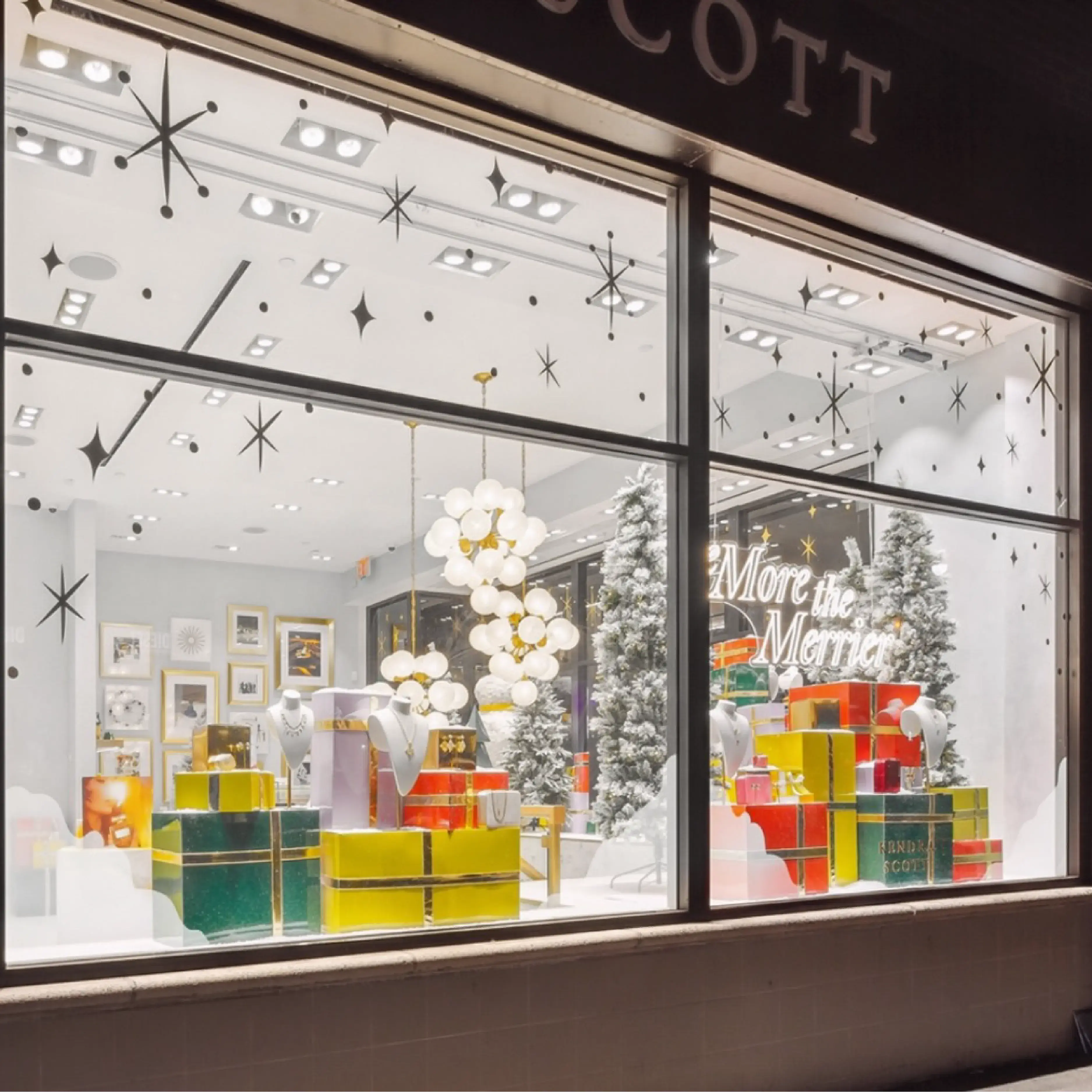
Why Window Displays Matter More Than Ever
Physical retail is evolving from transactional shopping into experiential brand environments. Brick-and-mortar stores can no longer function as only transactional spaces. Customers increasingly expect memorable spaces that feel connected to the brand itself. This becomes even more critical during the holiday season.
Here’s how your store windows can enhance your business, no matter the season:
Capture Attention in Seconds
The first glance matters. You’ve only got about 5 seconds to create an impression. Customers process visual information almost instantly. Color, lighting, movement, composition, and scale all influence whether someone stops. Carefully orchestrate every element within a window to create immediate impact.
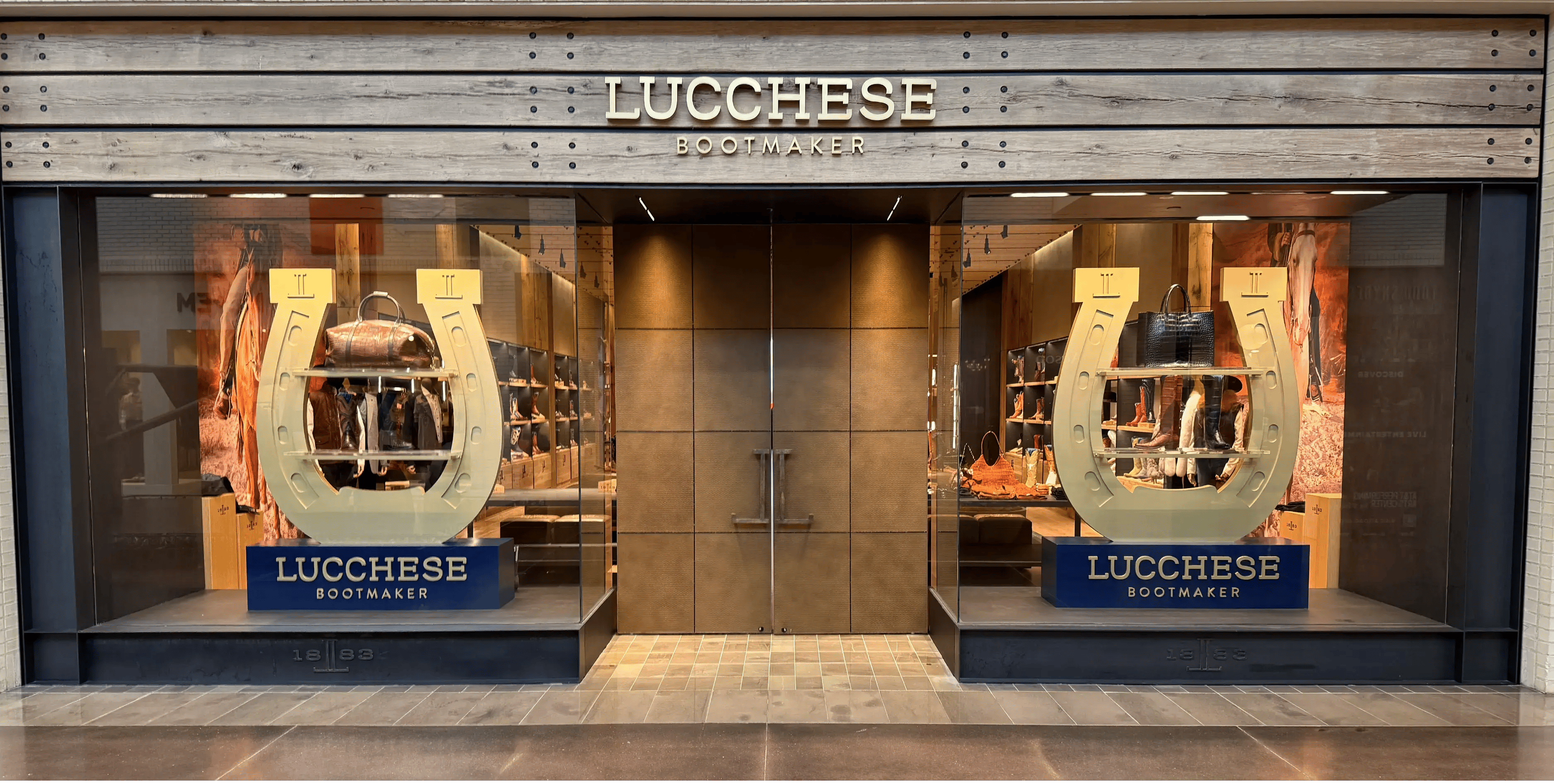
Support Omnichannel Campaigns
Window displays work best when connected to broader marketing campaigns. For example, when you launch a new collection online, your storefront should reinforce the same messaging, styling, color palette, and mood. Create a place for customers to take photos and post on social media, creating a full-circle marketing moment. This consistency strengthens your brand recognition and trust both online and in person.
Build Brand Affinity
The best retailers understand that they’re not only selling products. They’re also selling aspiration, identity, mood, and connection. If done well, your windows will also create brand affinity. Window displays succeed when they evoke a positive emotion. It could be warmth, luxury, escapism, or wonder. For holiday windows, the focus is often around nostalgia and celebration. These emotions influence purchasing behavior far more than products alone.
Respond Quickly to Market Changes and Trends
Retailers today operate in a constantly shifting environment. Flexible window systems let you respond quickly to inventory shifts, weather patterns, trend cycles, and fast-moving social trends without rebuilding entire environments. Read more about modular displays here.
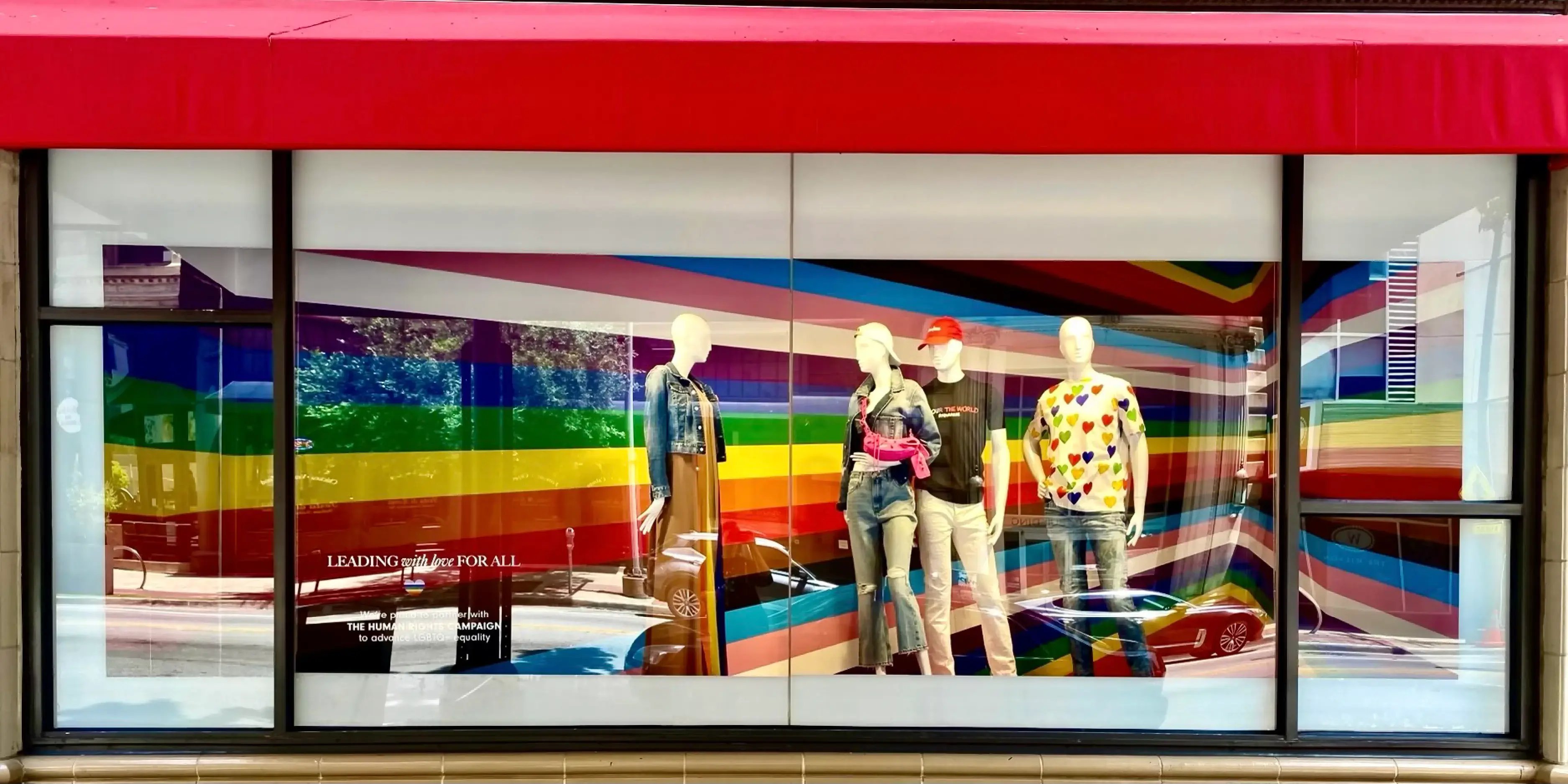
Types of Retail Window Displays
Different window display structures support different retail goals. The right approach depends on several factors. These include the window type and size in your building. They also involve your products, brand positioning, and customer behavior.
Closed Window Displays
A closed window separates the display from the store interior using a wall or screen. Customers can’t see the store when they’re in front of the window. This allows precise control over every detail. Closed windows work well when you want full control over lighting, mood, and brand presentation.
These types of window displays work best for luxury products, high-end fashion collections, and branded environments.
Advantages
-
Eliminates visual distractions
-
Creates stronger storytelling opportunities
-
Better lighting control
-
Supports dramatic scenic fabrication
-
Feels premium and theatrical
Challenges
-
Challenging to access and maintain
-
Requires a stronger lighting strategy
-
Feels visually isolated if poorly designed
-
Demands higher production quality
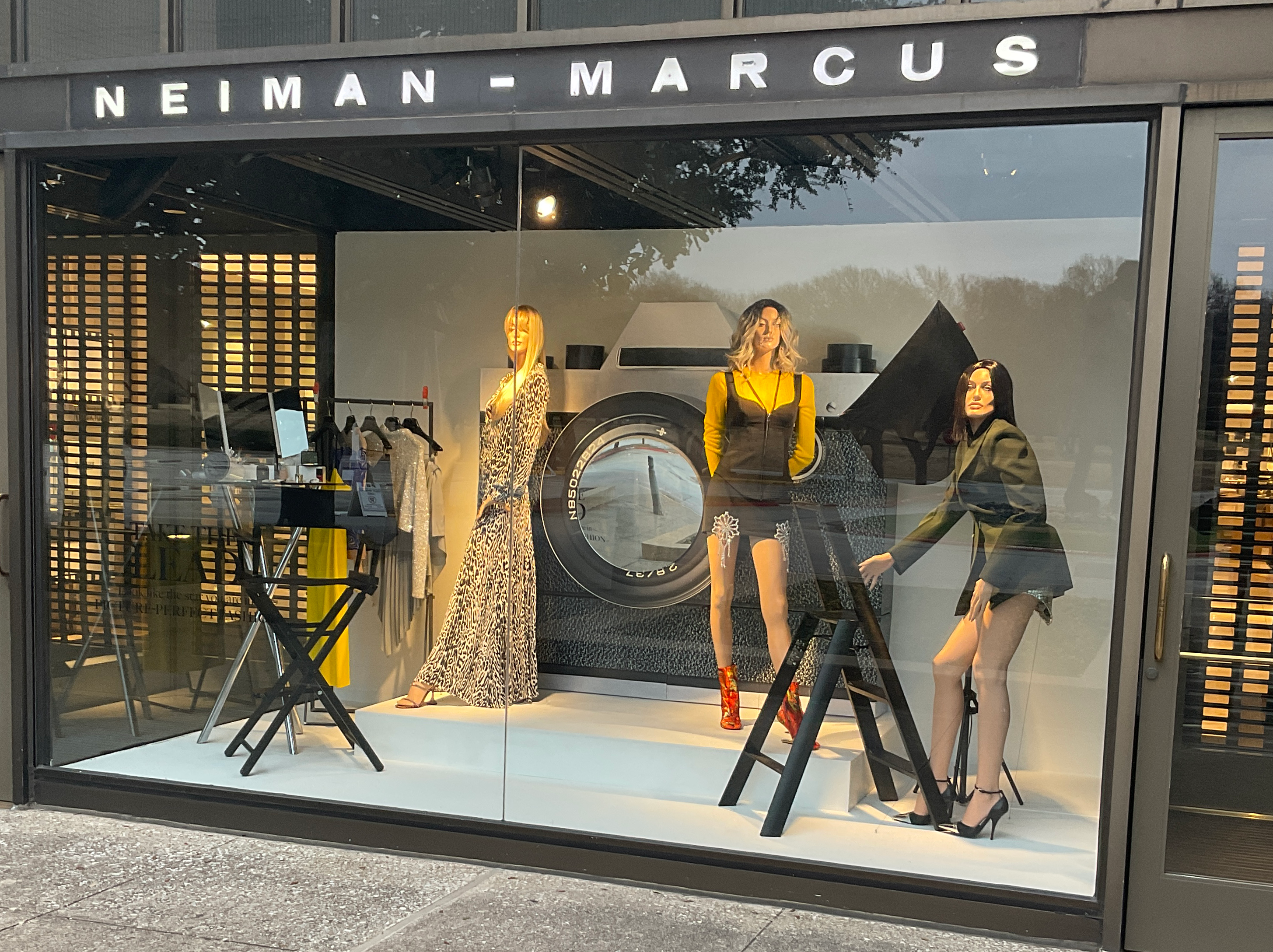
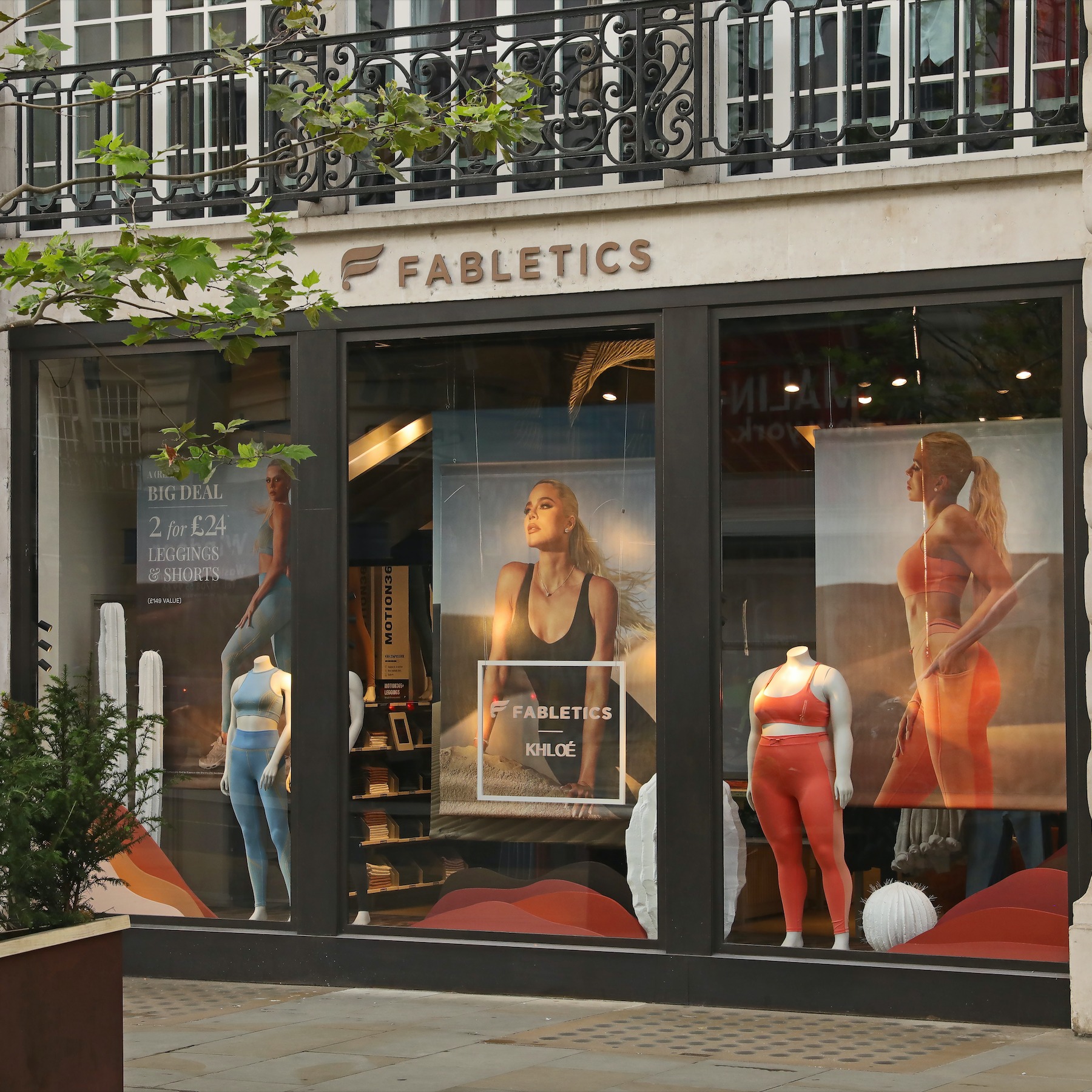
Open or Open-Back Window Displays
Open windows allow customers to see directly into the store behind the display. Instead of separating the display from the retail environment, they blend together. The store interior itself becomes part of the visual merchandising experience. It’s important to remember that an open window can look cluttered and chaotic without a focal point to ground it.
Commonly used by lifestyle brands, athletic retailers, and interactive retail concepts.
Advantages
-
Creates transparency and energy.
-
Encourages curiosity about the store interior.
-
Makes the store feel active and approachable.
-
Connects visual merchandising to the shopping floor.
-
Easier to enter and manage displays.
Challenges
-
Requires exceptionally clean interiors.
-
Fewer options for an immersive environment or brand expression.
-
Wiring and infrastructure become more visible.
-
Visual clutter inside the store weakens the display's impact.
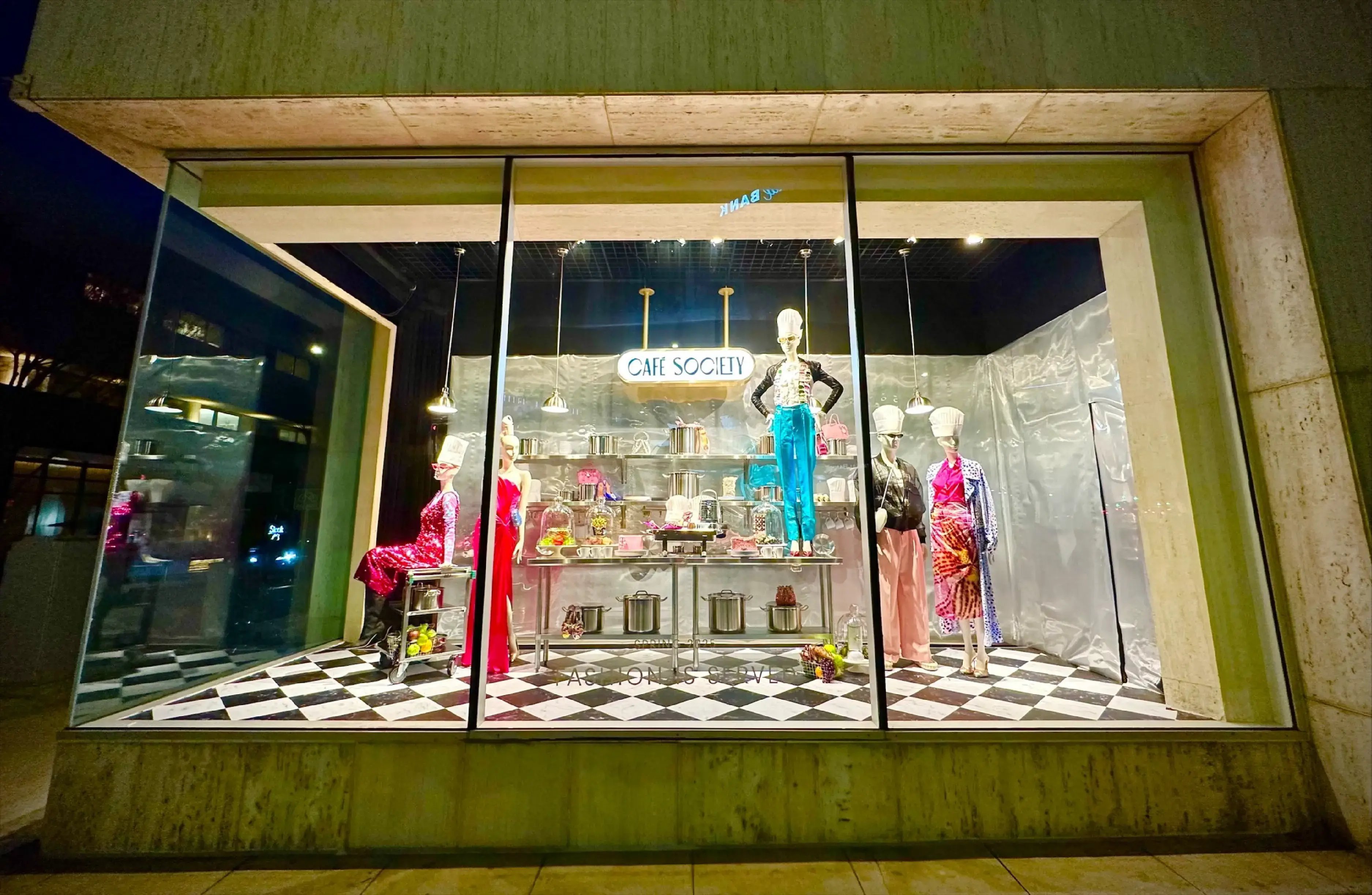
Corner Window Displays
Corner displays sit at the meeting point of two storefront walls, often on busy corners or mall intersections. Customers see these displays from several angles, so consider all viewpoints in your planning.
Advantages
-
Maximizes visibility
-
Creates a strong architectural impact
-
Supports layered storytelling
-
Great for flagship locations
Challenges
-
More complex lighting requirements
-
Perspective distortion must be managed carefully.
-
Requires stronger spatial planning
-
Challenging to access and maintain the displays.
Arcade Windows
An arcade retail window display places the entrance back from the sidewalk. This creates a corridor lined with glass display windows. Instead of a flat entrance, customers walk through a partially enclosed arcade. They see brand displays and merchandise before reaching the door.
This design is popular with luxury retail, department stores, and flagship shopping districts. It encourages browsing and boosts engagement. This setup lets retailers build layered brand stories before customers enter the store.
Advantages
-
Increased display space
-
Weather protection
-
Natural traffic flow
-
Immersive storytelling
-
Eye-level focal points
-
Visibility from multiple angles
Challenges
-
Higher design complexity
-
Increased fabrication and installation costs
-
Risk of visual clutter
-
More complex lighting requirements
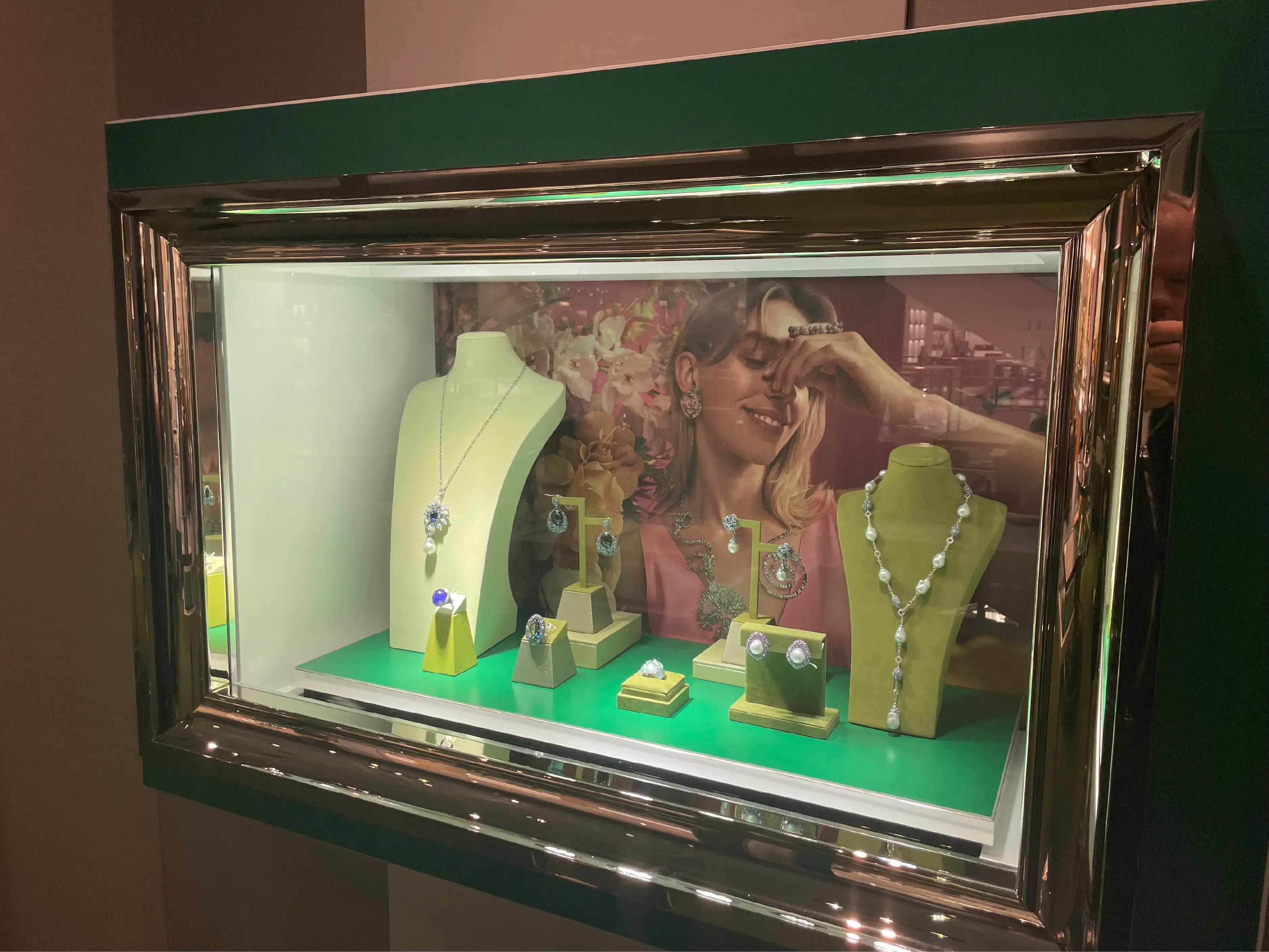
Shadowbox Displays
Shadowbox windows are small, enclosed spaces that display a few products with precision. They are set into the building and framed for impact. A backdrop blocks the store's view.
They can be particularly valuable for displaying small products such as jewelry, watches, cosmetics, and accessories.
Advantages
-
Highly focused presentation
-
Strong luxury perception
-
Excellent detail visibility
-
Controlled lighting environment
Challenges
-
Limited space
-
Signage must be small and refined
-
Requires extremely precise execution
-
Poor lighting quickly diminishes impact
Island Window Displays
Island displays are freestanding installations located in the very front of a store and visible from all sides. Customers can walk all the way around these displays. Think of an island window display as a large-scale experiential vignette.
Island window displays work best in department stores and large-format storefronts.
Advantages
-
Creates dramatic visual presence
-
Allows 360-degree visibility
-
Supports layered product narratives
-
Encourages customer interaction
-
May be able to use existing storefront lighting
-
Simple to access and maintain
Challenges
-
Requires significant space
-
Needs constant upkeep
-
More fabrication complexity
Elevated Window Displays
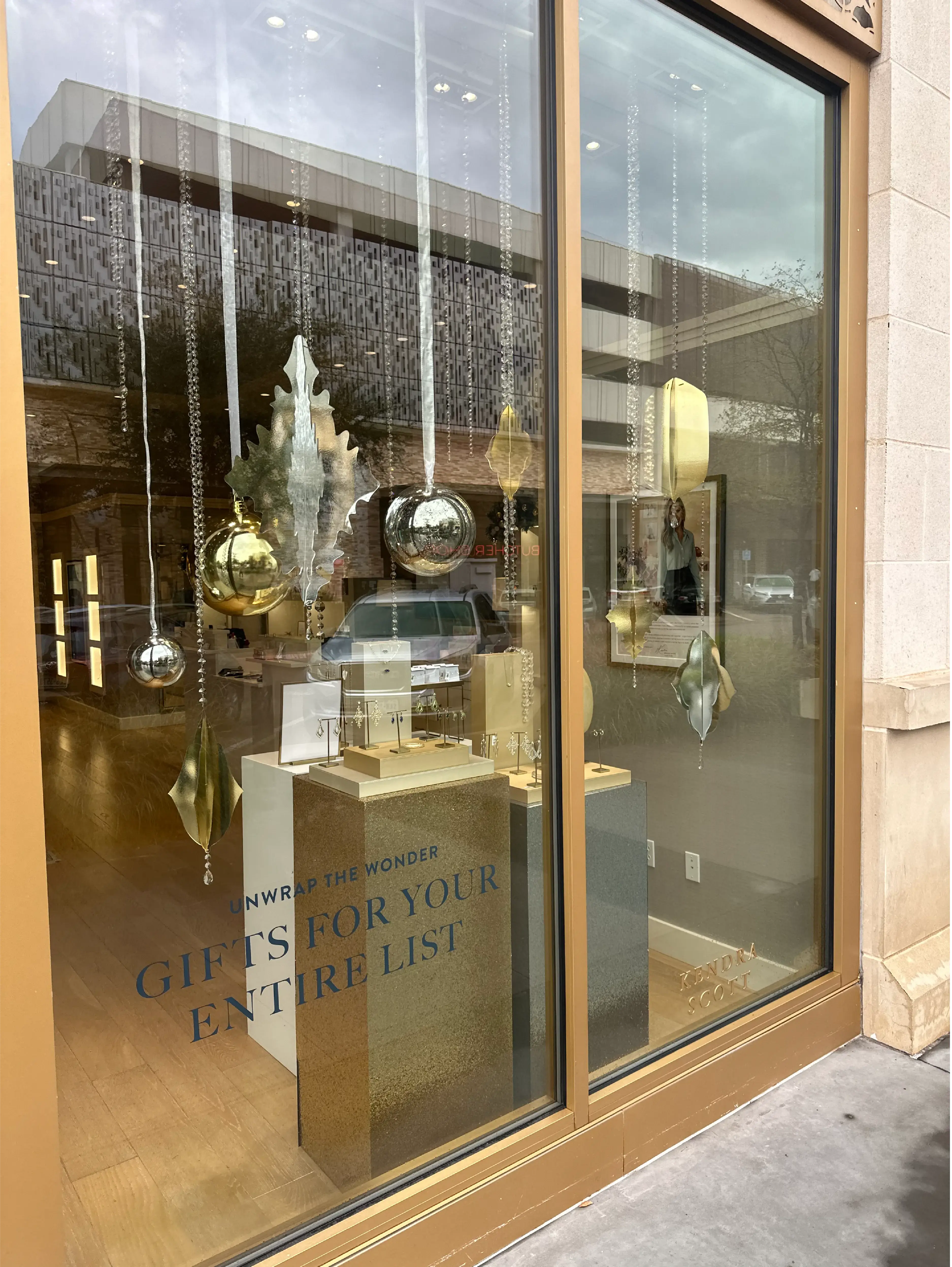
Elevated displays place products in windows on platforms, risers, or podiums to improve visibility and increase perceived value. Because these displays are in the front of the store, they need to fit with the store's set to reduce confusion.
These are especially useful for luxury products such as handbags, cosmetics, shoes, and jewelry.
Advantages
-
Draws attention immediately
-
Creates a hierarchy of products
-
Enhances product prestige
-
Improves visibility from a distance
-
Simple to access and maintain
Challenges
-
Requires strong structural stability
-
Must feel integrated into the environment
-
Overuse can feel repetitive.
How to Create a High-Impact Retail Display Window
Great displays rarely happen by accident. They require thoughtful visual storytelling and strategic composition.
Here are several principles to consider when designing high-impact holiday windows. We’ll illustrate these principles with some of the work the Phase 3 team has done over the years with long-time partner Neiman Marcus.
Start with a Strong Theme
Window displays work best when they communicate a clear story or cohesive visual concept. This story or theme should be unique and engaging.
Themes may center around a collection, lifestyle aspiration, product benefit, or artistic aesthetic. Of course, many window themes are seasonal or based on an event, such as back-to-school, summer fun, or the winter holiday season. Popular holiday themes include winter nostalgia, outdoor adventure, glamour, fantasy, and whimsical storytelling.
Create a story in your display that customers can see themselves in. The more specific and recognizable the theme, the more engaged customers will be.
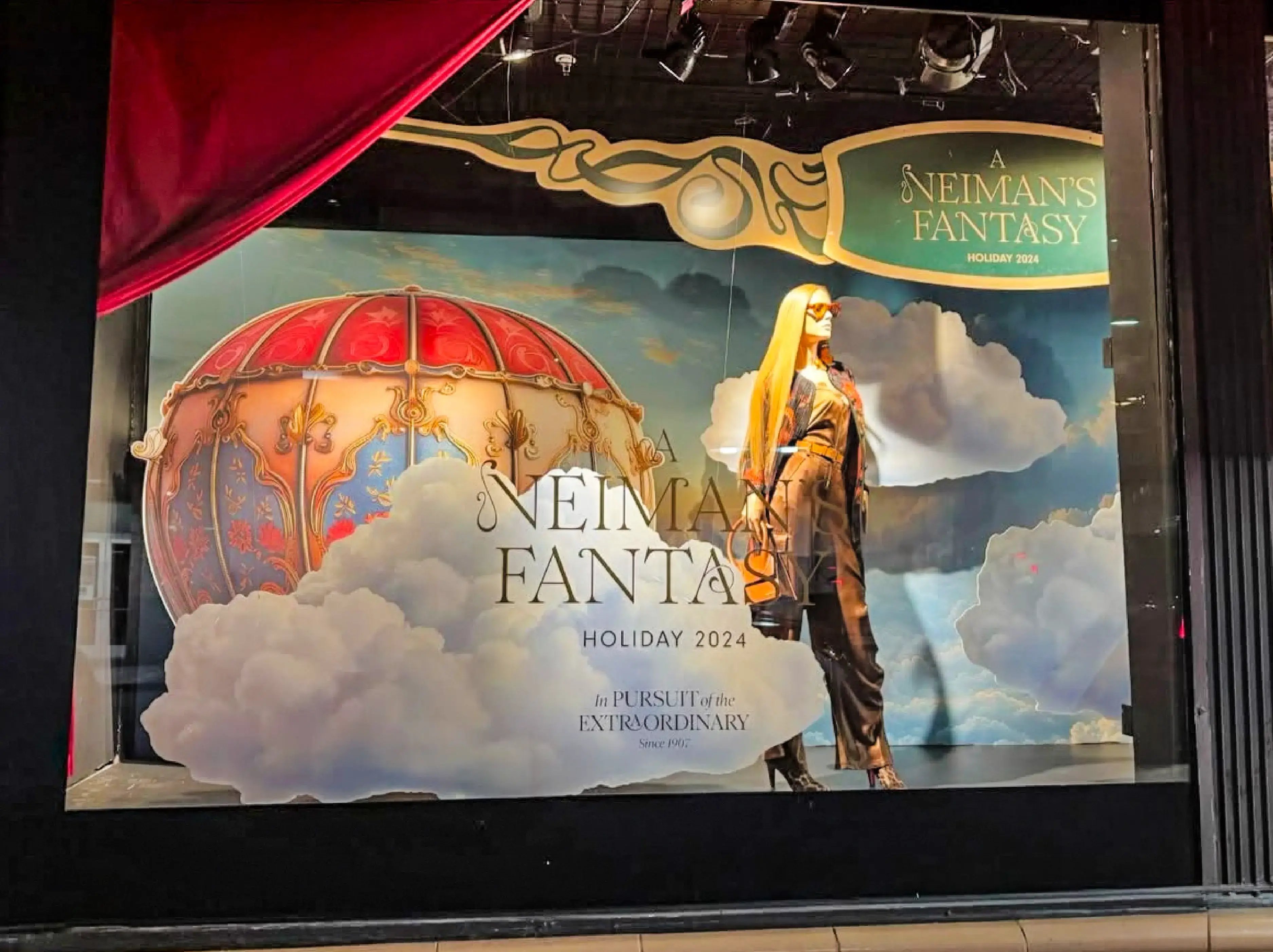
Phase 3’s Neiman Marcus holiday windows always dive into a fantasy world. They feature clouds, moonscapes, and snowy forests. Theatrical curtains add drama, while immersive scenes bring it all to life.
Create a Clear Focal Point
Every display needs one dominant visual anchor to draw the eye. A focal point creates visual hierarchy and immediately directs attention.
This could be:
-
A hero product
-
A mannequin dressed in an eye-catching outfit
-
A scenic prop
-
A large-scale fabricated element
Make the focal point stand out by using a dramatically different color, size, or texture compared to the rest of the display. Use lighting to capture immediate attention.
Without a focal point, customers may not know where to look, leading to confusion about your story.
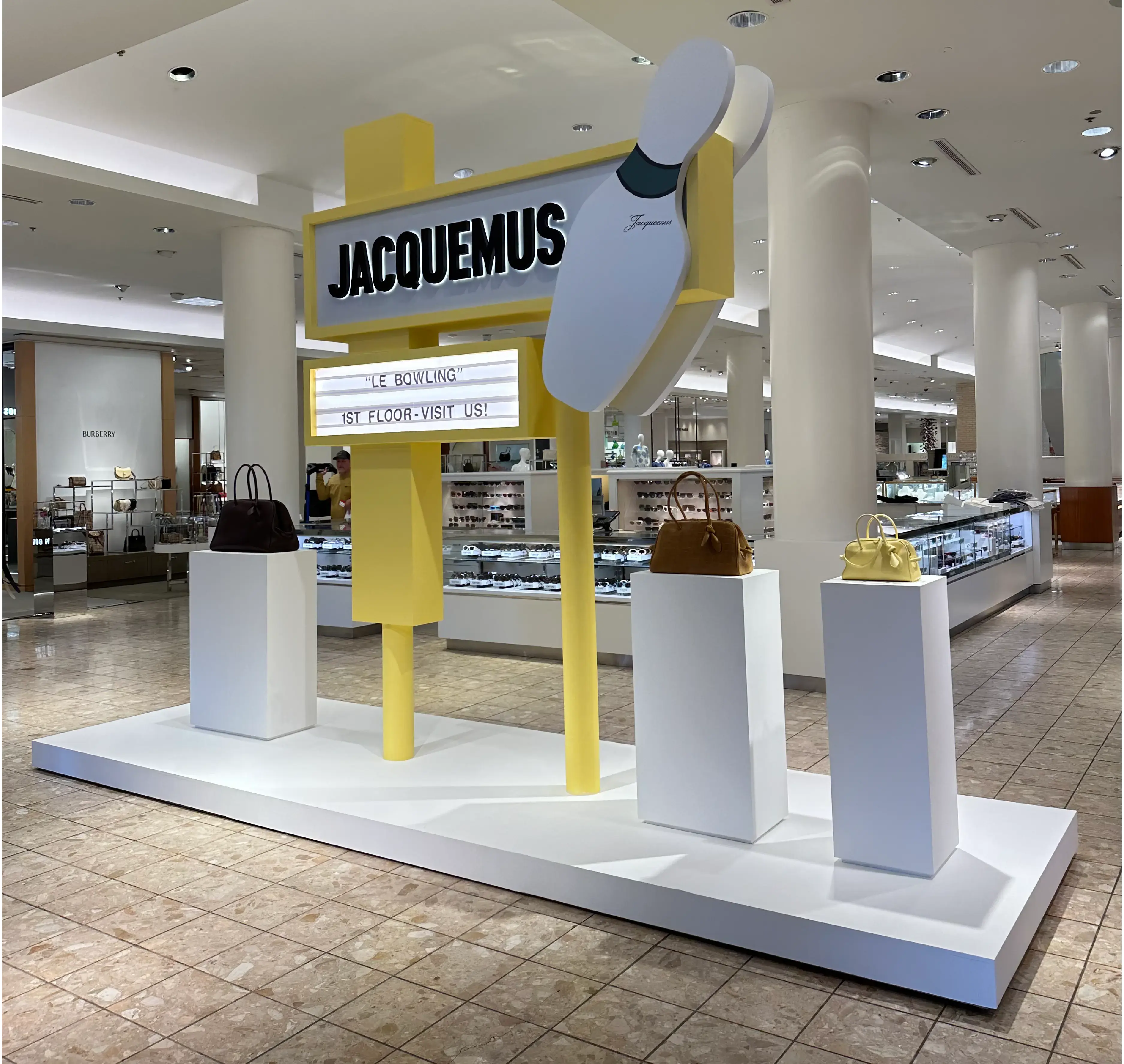
In a minimalist window display for the Jacquemus brand’s Turismo bowling bag, the Phase 3 team installed motorized bowling pins emblazoned with the brand’s logo to create the first and most traffic-stopping touch point for the launch.
Find or Create the Right Props and Fixtures
Be mindful of the story you’re telling when sourcing props. Many retailers search for off-the-shelf props or use existing display fixtures. Custom fabrication helps retailers create environments that competitors cannot easily replicate.
Phase 3 regularly designs and fabricates:
-
Scenic environments
-
Dimensional letters/signage
-
Custom props
-
Display structures
-
Seasonal pieces
-
Large-format printed elements
These fabricated environments allow retailers to create displays that feel unique to their brand rather than generic holiday décor.
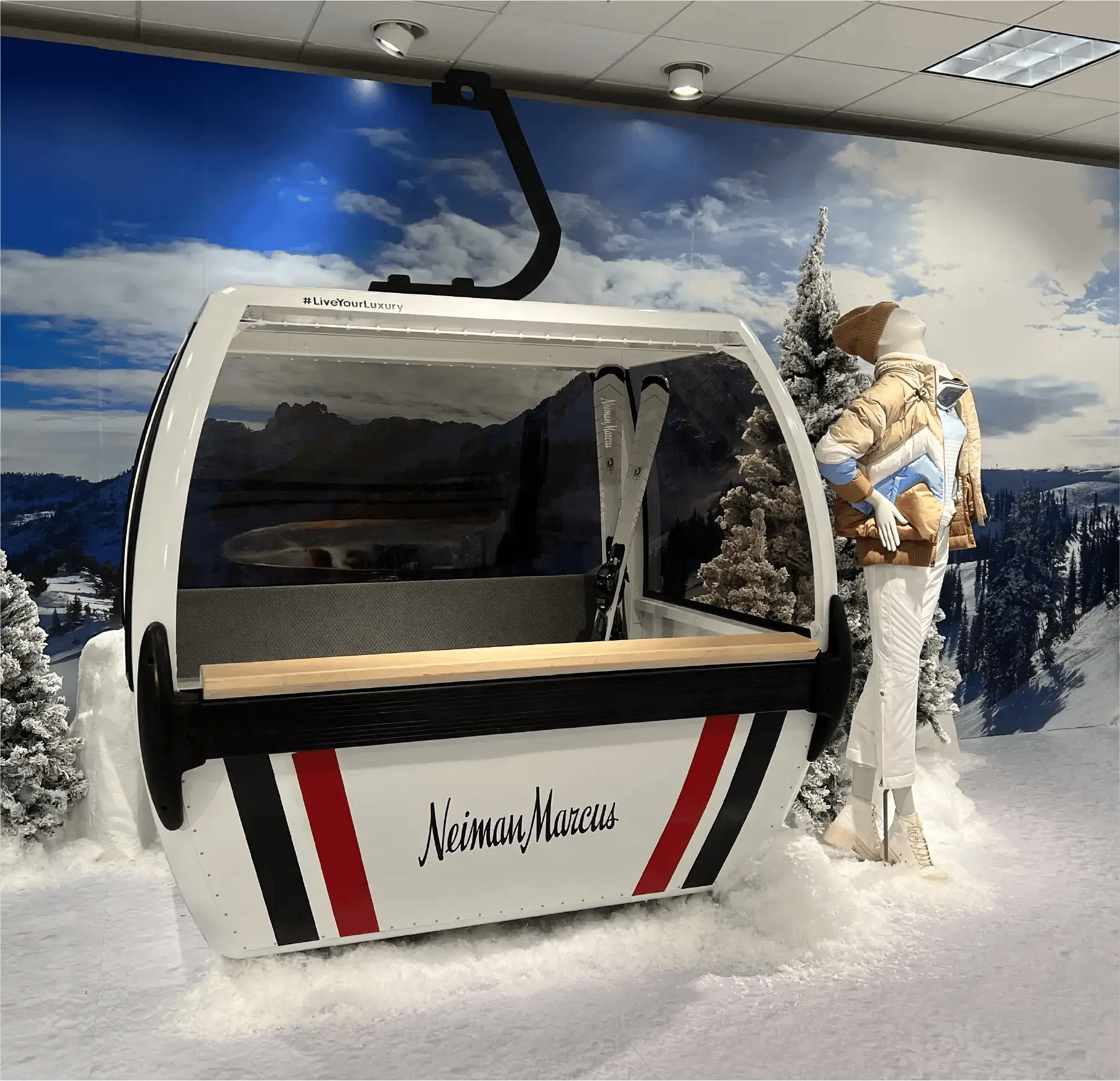
For one ski-themed holiday display, the Phase 3 team used a real gondola to create an experiential winter wonderland that customers could walk into.
Use Color Intentionally
Color sets the mood for your window display. It can even trigger action. Color psychology tells us that color dramatically shapes our responses.
Strong displays include a cohesive color palette that invokes an anticipated response. Avoid visual clutter by limiting your display to a maximum of three colors: a dominant background color, a secondary product/prop color, and a bold, contrasting accent color.
Place complementary colors opposite each other. For example, hang a bright yellow dress against a navy blue background to make it pop. Or, use various shades and tints of a single color to create a sophisticated look. Avoid competing colors that create visual confusion or distract from the focal point.
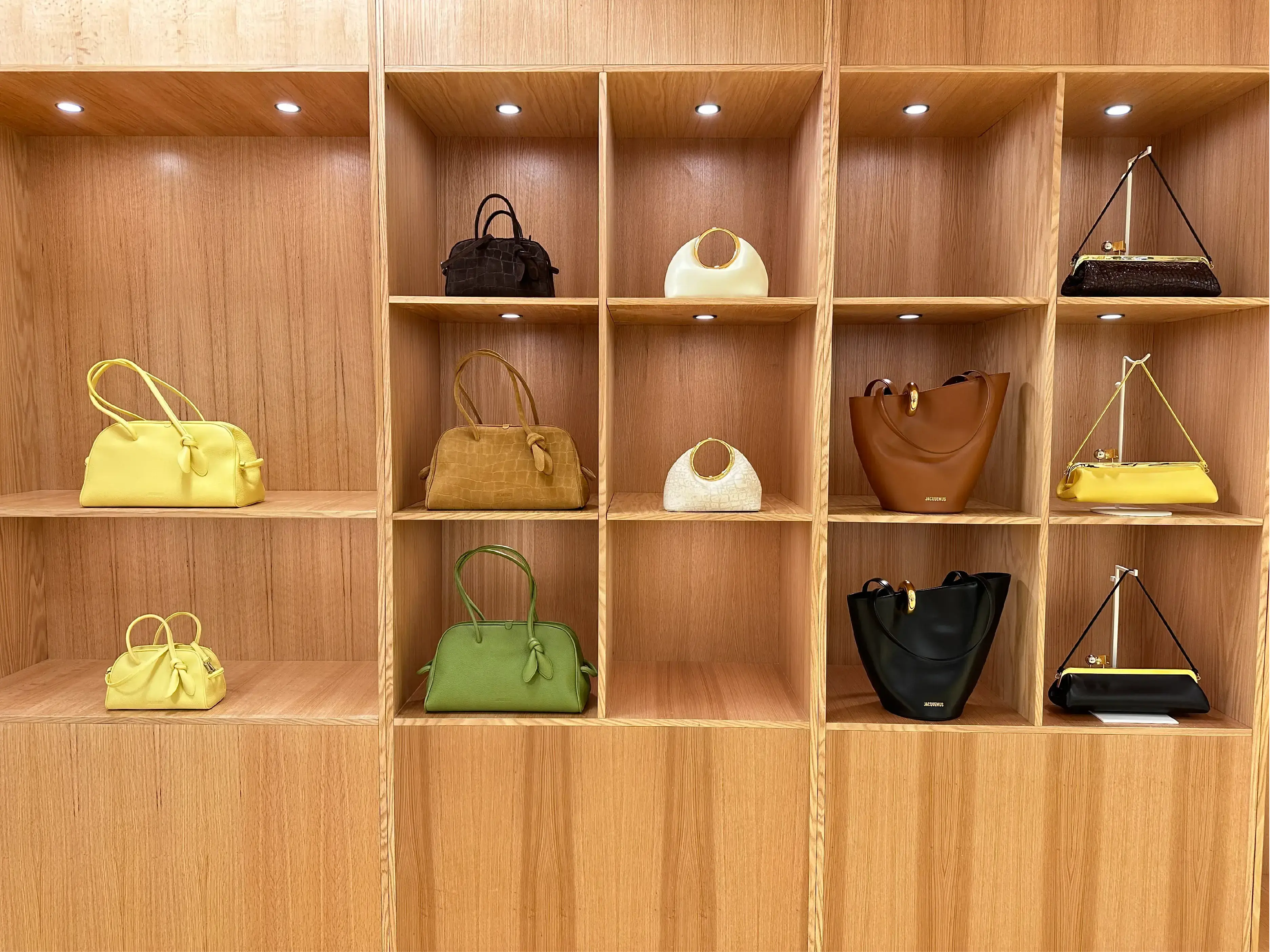
For the Jacquemus window display, the team mixed custom paint to match the signature yellow of the featured handbag. Anchoring the avant-garde design in that yellow, we then used green, white, and golden wood accents to create a harmonious visual backdrop.
Read more about choosing a brand color palette here.
Build Depth and Dimension
We experience the world in three dimensions, so it makes sense to create windows that have height, width, and depth. Dimensional environments naturally feel more visually engaging than flat displays.
Effective use of windows includes:
-
Layered scenic elements
-
Varying heights
-
Suspended pieces
-
Dimensional props
-
Scenic flooring
-
Foreground and background contrast
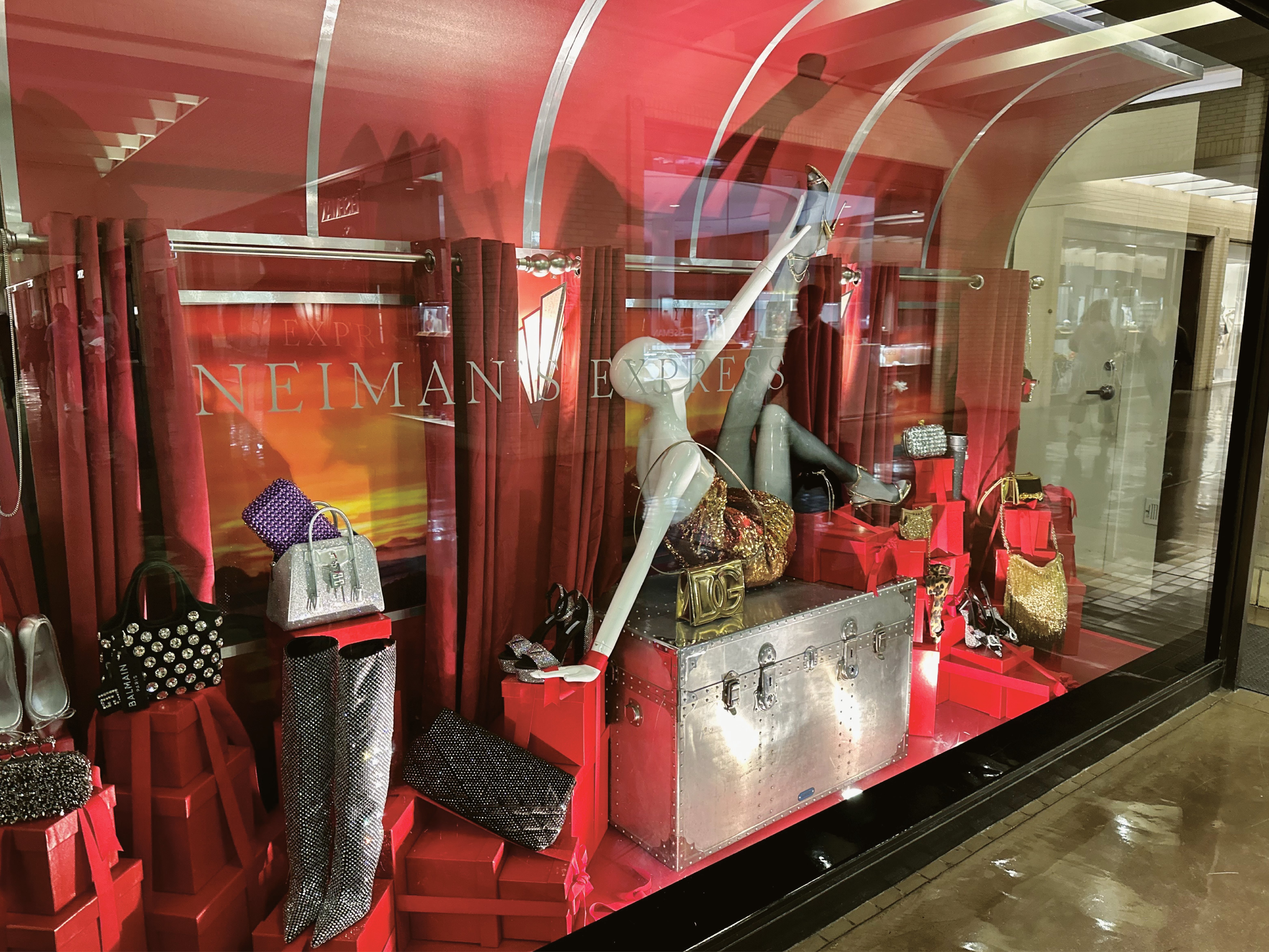
The Holiday Neiman Express window installation used rich red dimensional layering, elevated props, and travel-inspired scenic elements to create depth and movement throughout the display.
Master Balance and Space
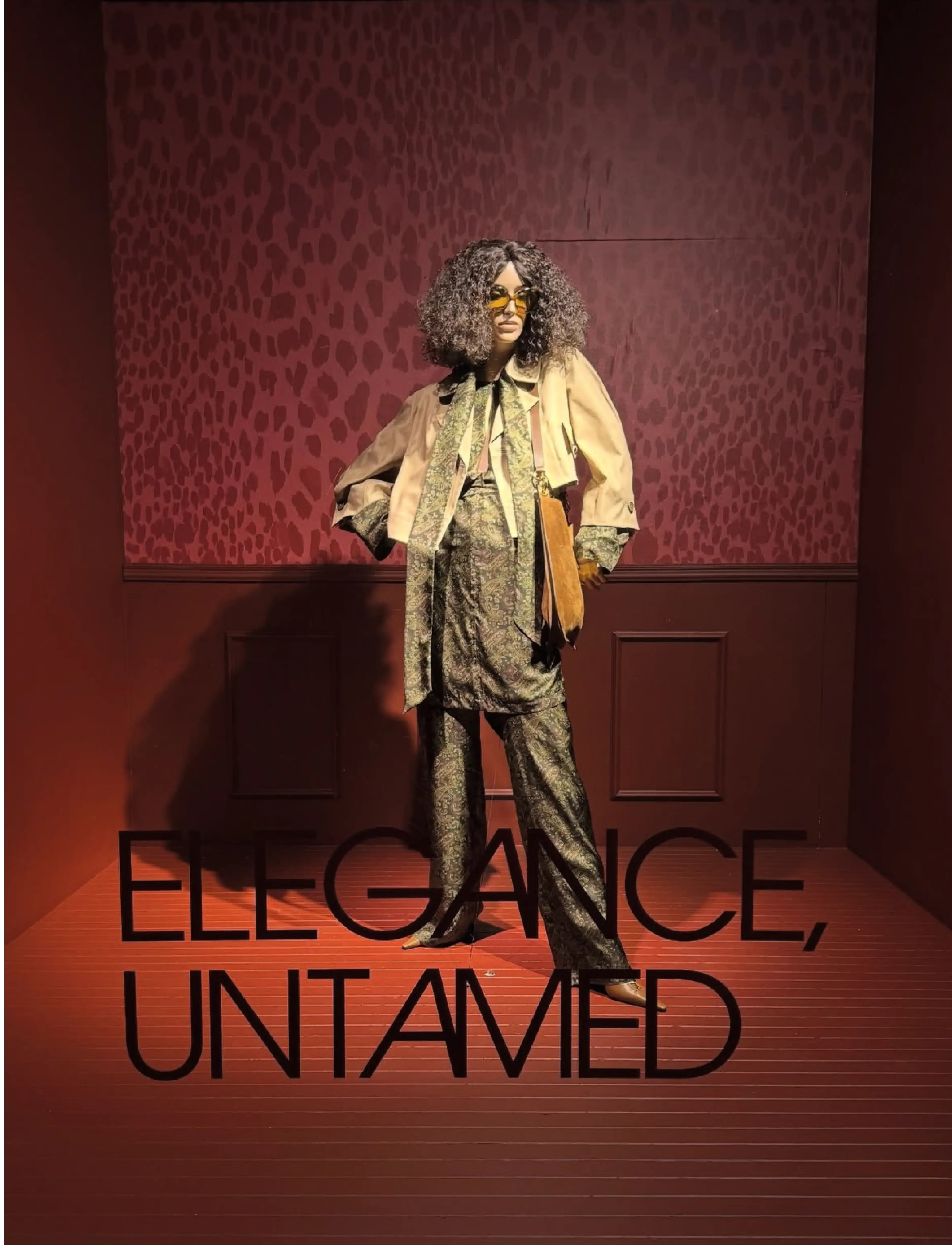
A window display should be well-balanced so that the impression is welcoming and high-end, rather than chaotic. Restraint often creates a stronger visual impact. One of the biggest mistakes retailers make is overcrowding. Too many products reduce focus and diminish perceived value. Sometimes, fewer products increase perceived value and product focus.
Distribute the visual weight of the merchandise and displays. Don’t make everything the same height. Pair heavy pieces with smaller contrasting displays. Strategic negative space naturally directs attention toward key products and focal elements.
Be Strategic with Lighting
Lighting shapes mood, visibility, and impact. Poor lighting can undermine even the strongest visual design.
One common question we hear from clients is “What is the best way to light mannequins?” The best practice is to prioritize lighting on the mannequin’s face and upper torso first. Then highlight hero clothing items or accessories. Avoid harsh downward shadows. Use layered lighting rather than a single spotlight.
Even in shadow boxes and smaller windows, good lighting can create dimensionality and realism. When placed strategically, it can also make the window visible from multiple viewing angles.
Planning Holiday Window Displays
Successful holiday windows require coordination across multiple internal teams and external partners, a process that can take months.
The planning process includes:
-
Concept development
-
Scenic design
-
Material sourcing and logistics
-
Fabrication and engineering
-
Installation and lighting coordination
-
Store operations alignment
The earlier you engage your creative, fabrication, and installation partners, the more flexibility and creative opportunities you’ll have.
Read more about the strategy behind planning successful holiday windows here.
The Best Window Displays Create Emotion Before a Customer Ever Walks In
In an increasingly digital shopping environment, retail window displays remain one of the most powerful physical brand experiences. They do far more than showcase merchandise. They stop people in their tracks and reinforce brand identity. Your windows can transform your storefront into experiences that customers remember, photograph, share, and talk about.
At the beginning of this article, we asked you to imagine having the world’s best salesperson standing outside your store every day, grabbing attention and enticing customers inside. That’s exactly what a well-designed retail window display does.
That impact requires thoughtful strategy, strong storytelling, fabrication expertise, lighting design, and logistical coordination. Most of all, it requires enough lead time to execute at a high level. This is especially true for the all-important holiday season. Retailers that begin planning in the third quarter have far more flexibility to create a standout storefront experience during the busiest shopping period of the year.
An impactful storefront window combines brand theater, visual merchandising, customer experience, and marketing strategy, all in one eye-catching space.
Phase 3 helps retailers bring those experiences to life through strategic design, fabrication, printing, and installation. From holiday settings to dimensional displays and large retail activations, our team can help you create a memorable storefront experience.
Schedule a discovery call today.