
Business leaders often see PR as a single output: a press release, media mention, or feature story. But that's just one part of a much larger system.
PR relies on connected efforts to shape recognition and trust. Consistency across channels is what fosters credibility.
At a leadership level, PR isn’t about one campaign or one placement. It’s about how your business shows up over time. That requires more than media outreach. It requires a coordinated approach across channels and touchpoints that reinforces your message and strengthens your position in the market.
This article explores how an integrated PR approach brings those elements together to build awareness and credibility.
Start with Strategy, Not Tactics
One of the most common issues in underperforming marketing efforts is a focus on tactics before strategy.
Your team spends their time sending out press releases, launching influencer campaigns, and posting social content. But nothing seems to connect with either your media list or your target audiences.
This happens because you've overlooked strategy in favor of tactics.
Ask yourself:
-
What are we trying to achieve as a business?
-
Who are we trying to reach and why?
-
What do we want to be known for in the market?
Without clear answers, even strong creative and execution will struggle to produce meaningful results.
This is especially true in PR. If your story doesn’t connect to something relevant, such as industry patterns, customer needs, or cultural context, it’ll be overlooked no matter how widely you share it.
For more details on strategy versus tactics, please read this article: Why Strategy Fails Without Execution.
What We Mean by the PR Ecosystem
Many leaders still equate PR with press releases. That’s only a small part of the picture. In reality, it spans every channel where your target audience experiences and interacts with your brand.
The PR ecosystem includes the mix of efforts that influence perception, including:
-
How people learn about you.
-
What they believe about you.
-
Whether they trust you.
Each element contributes, but it's their combined effect that matters.
Media Relations
This is the most familiar part of PR. It includes pitching stories, securing interviews, coordinating coverage, and fostering relationships with journalists. Media relations are most successful when you’re adding to relevant conversations in your community or industry. Sharing a unique and powerful story is also impactful. To learn how to craft a great media story, read the blog, Harnessing the Magic of Brand Stories for Public Relations.
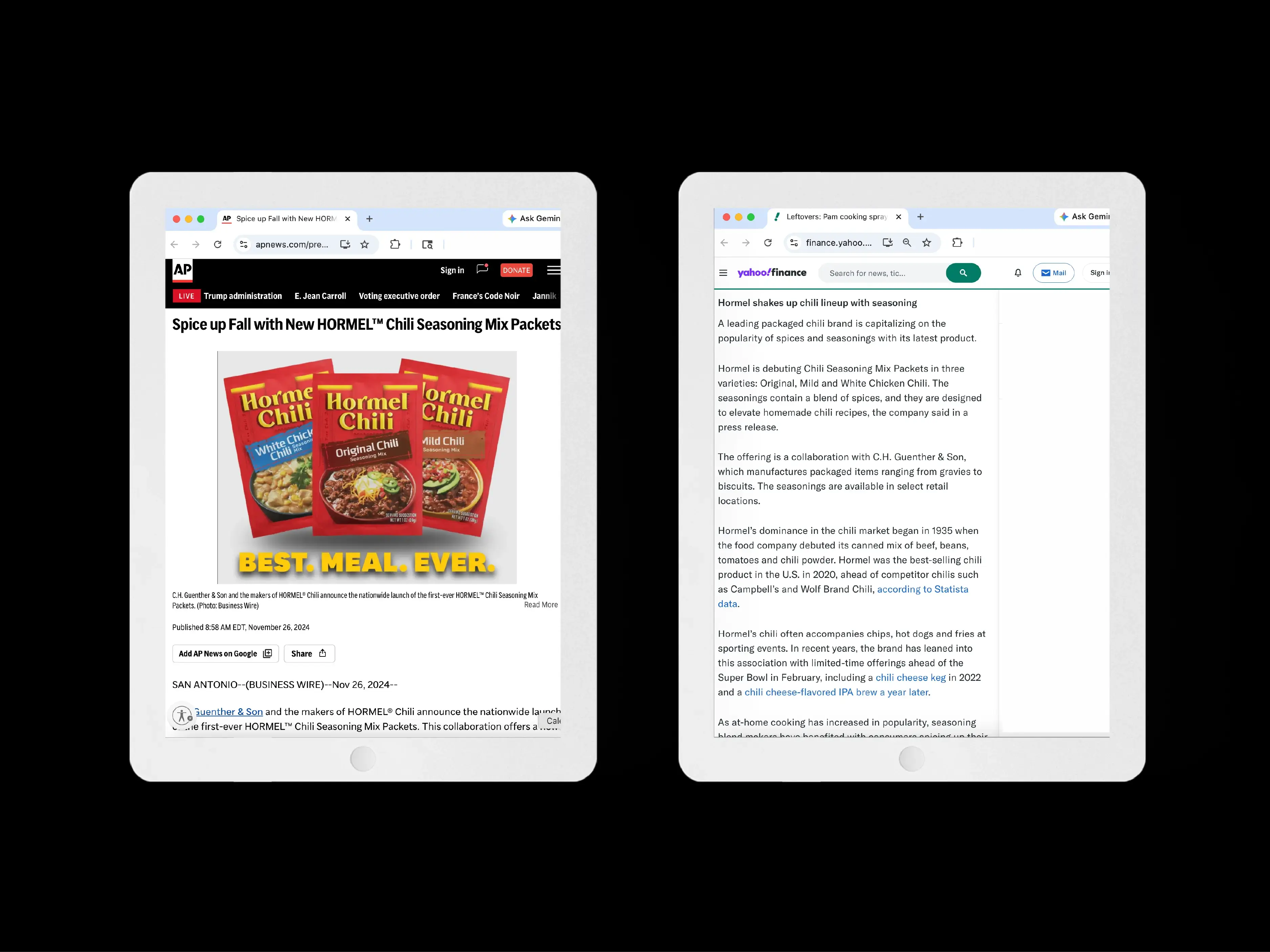
Hormel Chili Dry Seasoning Case Study
When launching Hormel Chili Dry Seasoning, the PR strategy didn’t rely on a single press release. It combined targeted distribution with broader media outreach. We told the story of Hormel as America’s #1 chili brand. The strategy resulted in coverage across more than 100 publications and reached over 64 million readers. The visibility came not from a single announcement, but from how we positioned and distributed the story at scale.
Thought Leadership and Content
PR isn’t limited to what others say about your brand. It also includes what your organization contributes to the conversation. Byline articles, executive LinkedIn posts, speaking engagements, webinars, whitepapers, and case studies can create substance behind your visibility. They give media, prospects, and partners something meaningful to engage with long after a single announcement.
In B2B environments, this is especially important. Buyers aren’t looking for promotion. They’re looking for solutions. Thought leadership gives your team the opportunity to address real challenges and share informed perspectives. It enables you to position your brand as a reliable source of insight.
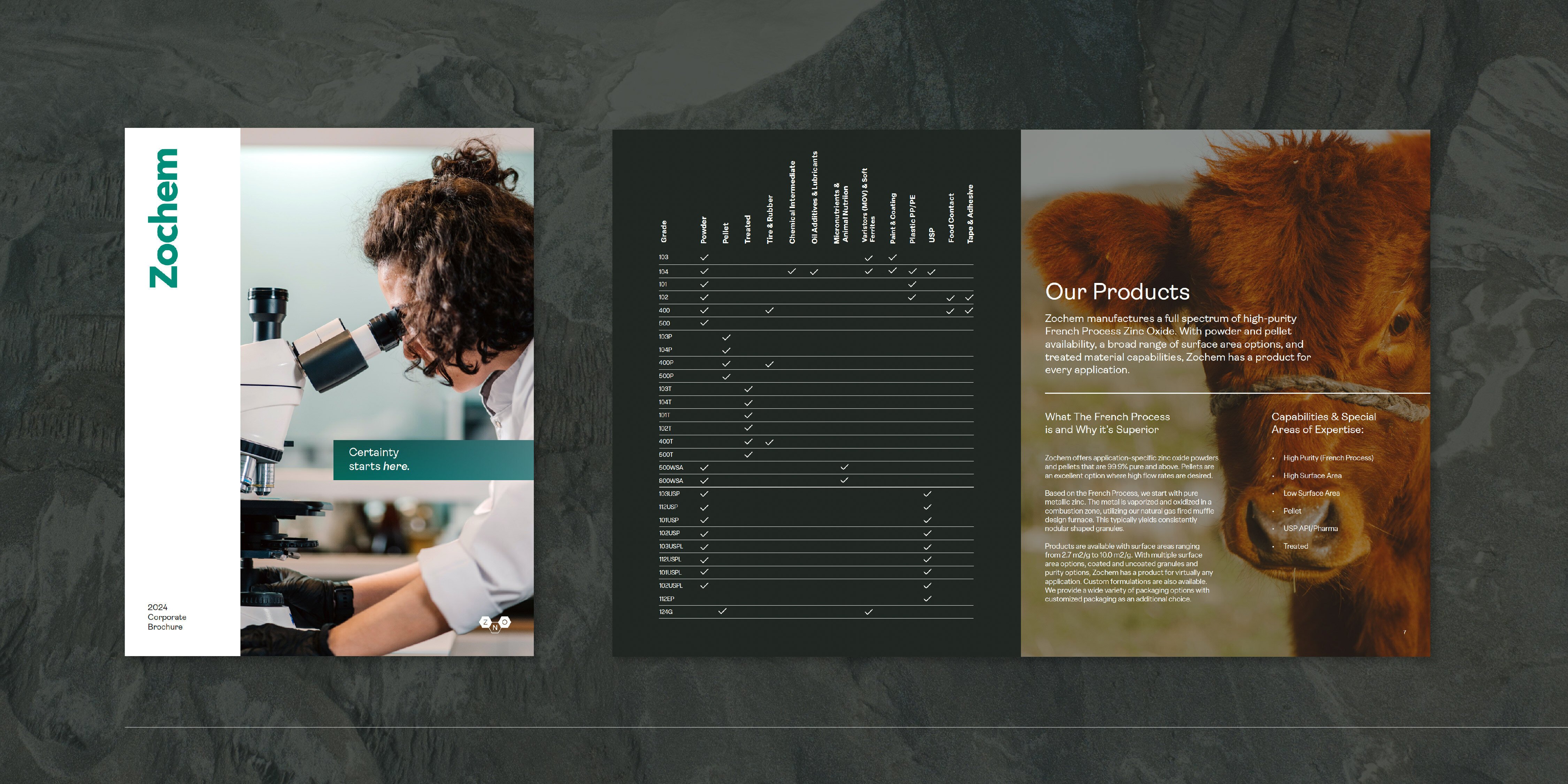
Zochem Case Study
Zochem, North America’s largest producer of zinc oxide, needed to shift perception away from price-driven competition. We focused the brand messaging on “certainty.” The team created product guides, newsletters, and educational resources to support this. As a result, customers had a more informed buying experience. This approach strengthened credibility and led to deeper, meaningful, long-term customer relationships.
Social and Owned Channels
Your website, email, and social media platforms can extend the life of your PR efforts. A media hit might last a day. How you share, repurpose, retarget, and build on that story matters. You can create ongoing awareness and interaction through your own marketing channels. For more information on developing a social media strategy, please read this article: Transforming Social Media into a Powerhouse for Business Strategy.
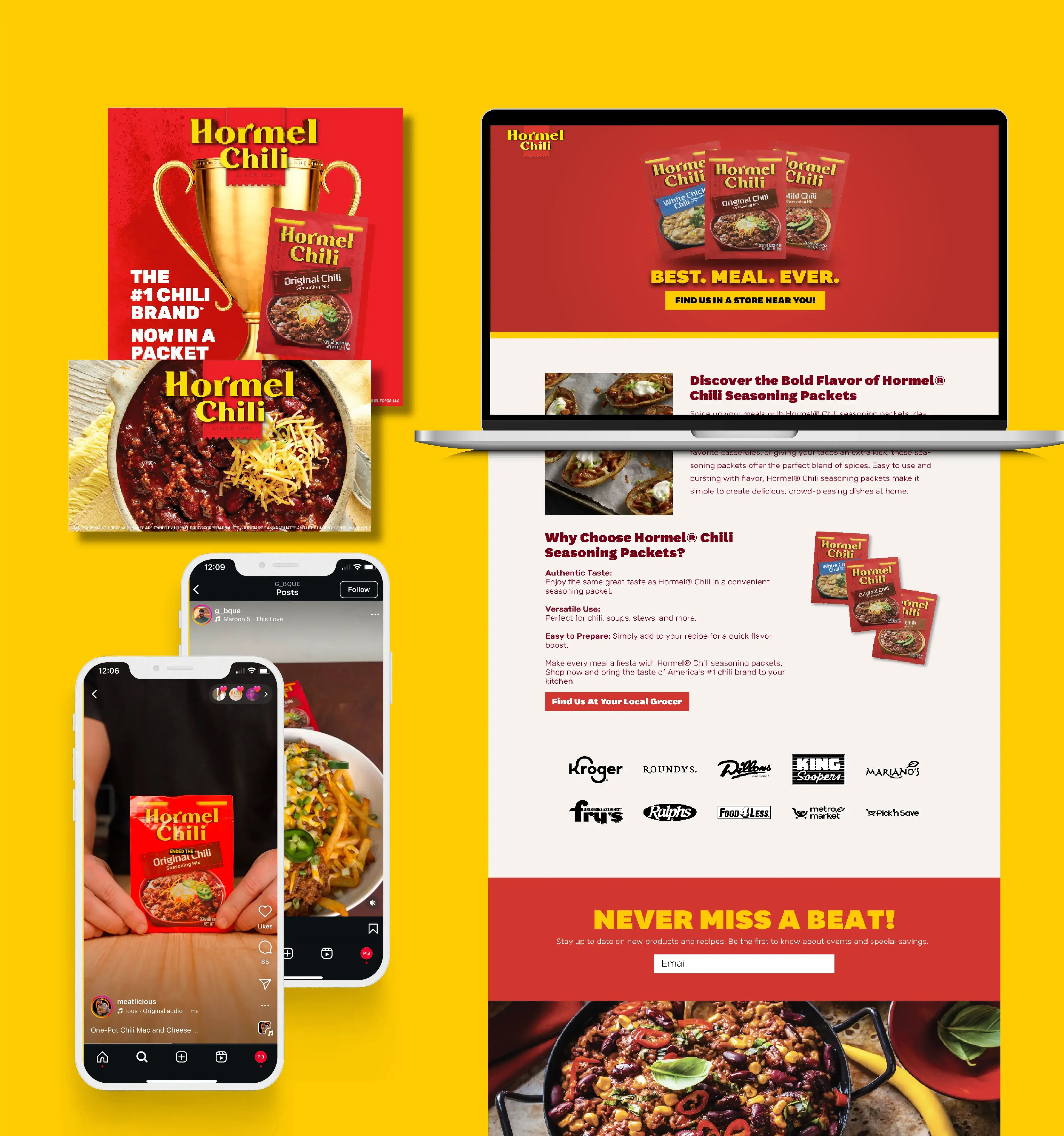
Hormel Chili Dry Seasoning Case Study
In the Hormel campaign, paid media, social amplification, and landing page content worked alongside the media releases. By retargeting audiences and reinforcing messages, the campaign reached over 6 million users. It generated 92,000 landing-page clicks in two months. This success far surpassed what media coverage alone could do.
Influencer and Partner Collaboration
In many industries, credibility is determined by who’s talking about your brand, even more than the messages you put out. Influencers, creators, and strategic partners add that layer of trust through third-party validation. When they align with your brand and audience, these voices can help you reach new markets. They can also strengthen perception and drive action in ways that traditional channels often can’t. Please read this article for more insights: How to Build an Influencer Marketing Strategy That Drives Real ROI.
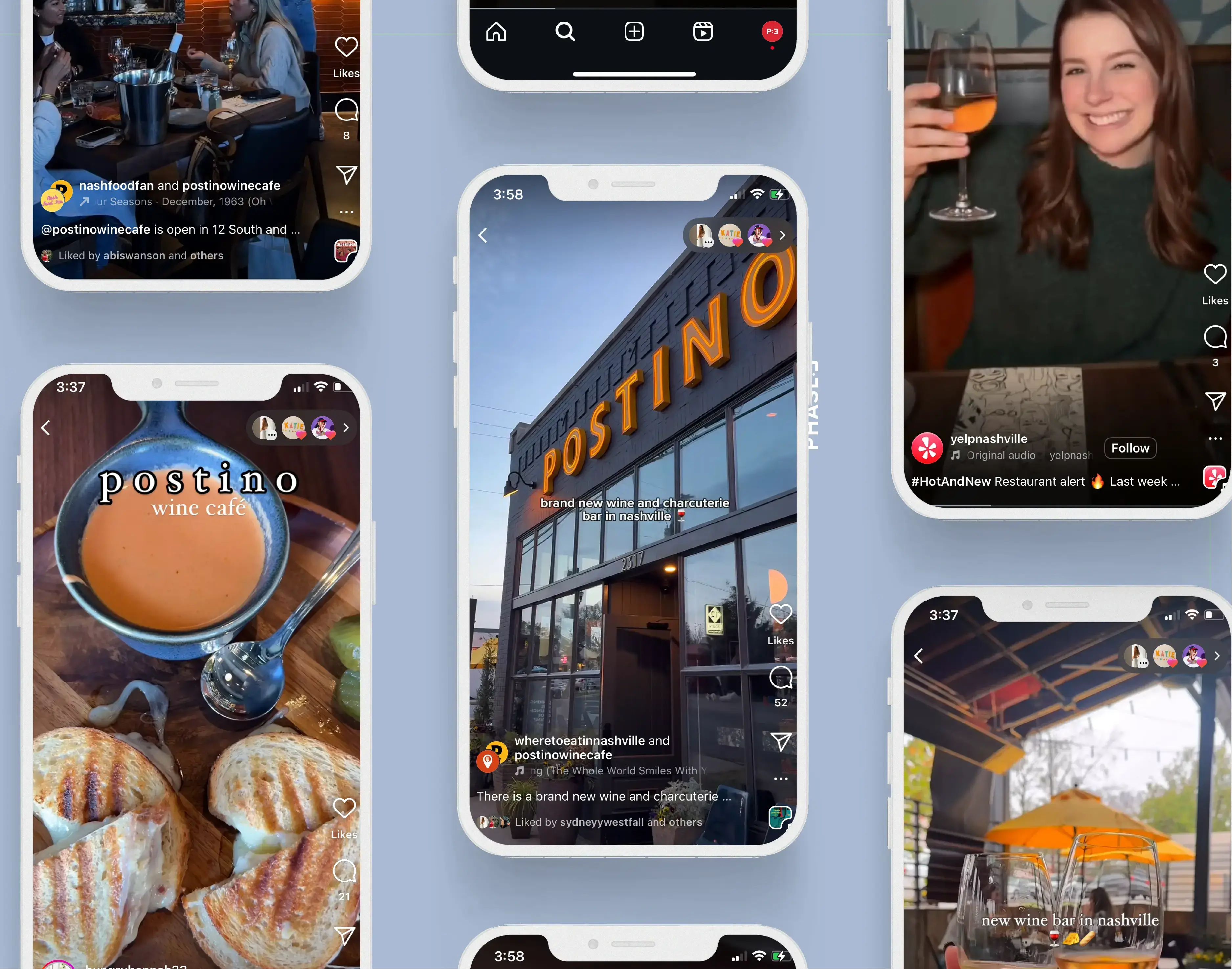
Postino's Grand Opening Case Study
For Postino’s Nashville opening, influencer collaboration played a central role in generating early momentum. The strategy focused on identifying local creators whose audiences aligned with the brand’s personality and values. We invited them to experience the brand firsthand. Through curated outreach, branded swag, and hosted visits, the influencers shared authentic, in-the-moment social content that sparked buzz before and after the opening. This approach helped Postino establish a strong presence in the local social scene. It also drove significant word of mouth and boosted foot traffic. The restaurant is now a neighborhood favorite.
Events and Experiences
In-person experiences are still as impactful as ever. Events, activations, pop-ups, trade shows, conferences, and sponsorships initiate memorable real-world touchpoints. These moments often generate both media coverage and direct audience engagement, strengthening brand perception from multiple angles.
For more details about the power of in-person events, please read these articles:
From Surprise to Spectacle: How Pop-Ups Became the Ultimate Brand Power Move
How to Build Brand Activations That Inspire Loyalty and Buzz
Culinary Dropout Grand Opening Case Study
The Dallas opening of Culinary Dropout combined Friends and Family previews and VIP events with influencer partnerships and media outreach. Leveraging local relationships and market knowledge, the events built a strong local buzz before the restaurant officially opened. The campaign showed strong results: 13 press hits created over 160 million media impressions. It also had 29 influencer collaborations, reaching more than 2.1 million followers.

Awards and Recognition
Humans respond to recognition. Awards, rankings, and industry recognition show that others value your company. This validation shapes how customers, partners, and employees see your brand. It also helps drive their purchase decisions.
Brands that regularly earn “best places to work” or innovation awards enjoy more than the accolades. These wins serve as proof points across recruiting, sales conversations, and marketing. This reinforces credibility in ways that marketing and advertising cannot.
Even when formal awards aren’t involved, creative campaigns can generate the same effect. Recognition can come through media coverage, industry attention, and measurable performance that sets your brand apart.
The Candler Hotel Case Study
Since May 2023, Phase 3 has supported The Candler Hotel with media relations, influencer partnerships, event execution, and social media. Instead of relying only on press releases, the team focuses on building credibility through third-party recognition and consistent storytelling.
This approach helps strengthen the hotel’s visibility across national travel, hospitality, design, and local lifestyle channels.
-
MICHELIN Guide (2024): Awarded "One Key" for a high-quality stay, highlighting the 1906 architecture, Tiffany windows, and curated service.
-
Condé Nast Traveler Readers' Choice Awards (2023, 2024, 2025): Consistently ranked among the "Top 25 Hotels in the South".
-
U.S. News & World Report (2026): Named the #1 Curio Collection by Hilton hotel in Georgia.
-
Atlanta Magazine (2023): "Best of Atlanta" award for Best Wedding Venue.
-
LIV Hospitality Design Awards: Winner for architectural design and adaptive reuse.
-
Historic Hotels Awards of Excellence (2020): Nominee Finalist.
-
DBIA Award (2021): National Award of Merit for its adaptive reuse
For The Candler Hotel, awards and recognition create a steady drumbeat of credibility that continues long after any single announcement would have faded.

Reputation Management
Reputation is built and protected over time. How your organization responds to feedback, manages challenges, and communicates during critical moments directly impacts trust.
Crisis communications is a critical part of any PR ecosystem. Proactive messaging, clear leadership communication, and ongoing monitoring help maintain credibility, even in difficult situations. But today, reputation is influenced just as much by what customers say as by what brands publish.
Platforms that publish online reviews (Google, Yelp, and Tripadvisor to name a few) have become critical reputation channels. They shape how brands are discovered, evaluated, and trusted, often before a customer ever visits a website or physical location.
Why Online Reviews Matter
-
They influence public perception in real time. Reviews act as ongoing, public feedback that potential customers actively rely on.
-
They impact visibility. Strong, consistent reviews improve search rankings and local discovery.
-
They support SEO performance. Fresh, user-generated content signals relevance to search engines.
-
They reinforce credibility. A balanced mix of positive and negative reviews that are handled professionally builds authenticity.
How you respond matters just as much as the review itself. Thoughtful, timely responses show accountability and care. Silence, or defensive replies, can do more damage than the original criticism.
For more insights into reputation management, please read this blog.
Why the PR Ecosystem Matters
Each of these elements can deliver results on their own. But their combined impact is significantly greater.
-
Media coverage gains traction when reinforced through social and content.
-
Events become more valuable when they generate shareable moments.
-
Thought leadership becomes more credible when it appears consistently across channels.
When aligned, these efforts create momentum. When disconnected, they produce short bursts of attention with limited long-term value.
PR becomes more effective when it operates as a system rather than a series of isolated activities.
Related Reading
The Red Flags of a Struggling PR Campaign (And How to Fix Them)
From Headlines to Hashtags: Building a Winning Public Relations Strategy
Measuring What Matters
A strong PR strategy delivers both measurable outcomes and strategic insight.
To evaluate performance, look at:
-
Quantitative metrics: reach, placements, traffic, and engagement
-
Qualitative insights: sentiment, message alignment, and audience response
Together, these provide a more complete view of impact and help guide future decisions. Read more here.
PR Extends Far Beyond the Press Release
Press releases are one tool within media relations. Media relations is one component of PR. And PR itself is one part of how your brand develops visibility and trust.
When you align these elements, PR becomes a driver of growth rather than simply awareness.
If your PR efforts seem disconnected or aren’t delivering the impact you expect, it may be time to take a more integrated approach. Phase 3 helps business leaders align strategy, storytelling, and execution to build PR strategies that return real results.
Contact Phase 3 to start a conversation about how your PR strategy can work harder for your business.