
Branded merchandise has evolved far beyond promotional giveaways. Today, businesses use it to welcome employees, recognize achievements, generate business leads, strengthen customer relationships, and support other important objectives.
Research from PPAI's Product Power 2026 consumer study shows how much these experiences matter. Approximately 83% of consumers say getting a promotional product makes them feel appreciated. 90% report that it improves their perception of the organization providing it. The research also found that nearly three-quarters of consumers associate branded merchandise with positive emotions such as pride, belonging, and gratitude.
The business lesson is simple: people often view a branded product and the brand itself as one and the same.
The products you distribute influence how people view your organization. High-quality, relevant merchandise can strengthen relationships and solidify trust. Poorly chosen products can have the opposite effect.
Many business leaders still select promotional products based primarily on price, availability, or convenience. Yet, the strongest merchandise programs start with a different question:
What do we want recipients to think, feel, or do after they receive this product?
When those elements align, branded merchandise becomes more than a marketing item. It becomes a meaningful extension of the brand itself.
What Your Merchandise Says About Your Brand
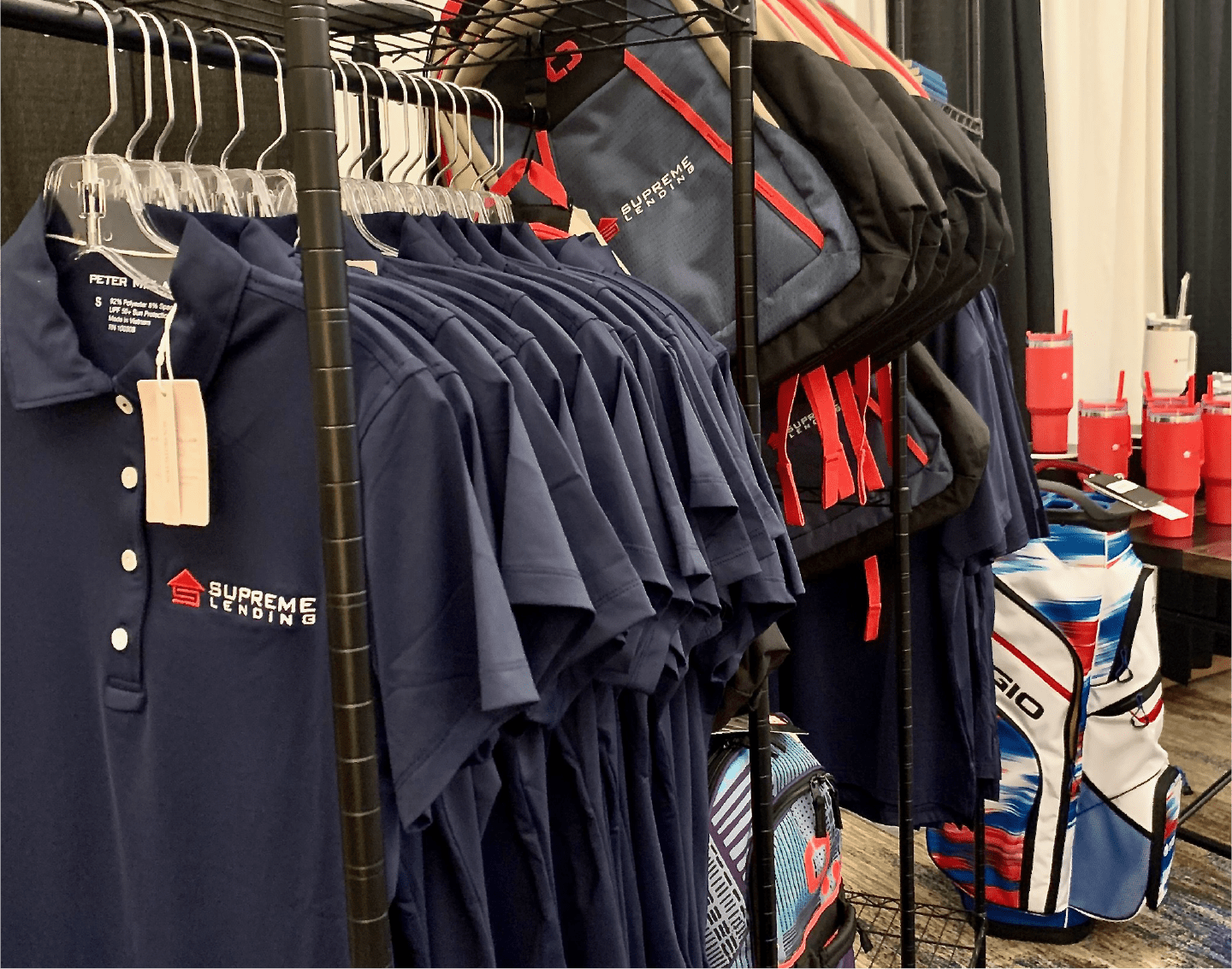
Recipients often form opinions about an organization based on the products it puts in their hands. Product quality, usefulness, design, and presentation all influence those perceptions.
What Does Your Current Swag Closet Say?
Conduct a quick audit of the branded items your teams use. What message do these products convey?
Would recipients describe your brand as:
-
Thoughtful or transactional?
-
Consistent or inconsistent?
-
Customer-focused or disconnected?
If your answers don't correspond to how you want others to perceive your company, you may need to rethink your merchandise strategy.
Thoughtfully selected items reinforce professionalism, attention to detail, and quality. Generic or irrelevant products may fail to support the brand experience you aim to create.
Branded Merchandise Should Serve a Unique Purpose
Each merchandise program should start with a clear objective. Whether you are welcoming new employees, recognizing top performers, supporting sales, building customer loyalty, or raising event awareness, your goal should guide product selection.
Effective merchandise aligns with both the audience and the goal. A welcome gift for a new employee will likely differ from one intended for customer appreciation. Each audience has different expectations, needs, and motivations.
A one-size-fits-all approach rarely delivers the best results. The best merchandise programs connect the product to the recipient, the occasion, and the business goal.
Why Recognizable Product Brands Also Matter
Familiar brands bring established credibility. When recipients already trust a product, they are more likely to view the merchandise as valuable and worth keeping. Well-known retail brands like Apple, Bose, Coach, and Montblanc bring built-in credibility. This is because recipients already understand the product's quality, performance, and reputation.
Phase 3 maintains supplier relationships and approved co-branding partnerships with many leading retail brands. These relationships make it easier for our clients to incorporate premium merchandise into their programs.
That doesn't mean every merchandise program requires premium retail products. In some cases, a ready-made item creates the strongest impression. In others, a custom-developed premium product may better support the story you're trying to tell. Choosing between custom and ready-made merchandise depends on your audience, goals, budget, and timeline.
Always Start With Your Audience
Before selecting products, take time to understand who will receive them and why. The same item is unlikely to appeal equally to new employees, trade show attendees, customers, and executives.
Consider questions such as:
-
Who is receiving it?
-
How will they use it?
-
What impression do we want to leave?
-
What products would they love to receive?
Branded merchandise that fits recipients’ interests and needs is more relevant, useful, and memorable.
Looking Beyond Standard Promotional Products
Sometimes, the right solution isn't found in a catalog.
Custom sourcing enables companies to offer bespoke products tailored to a specific campaign, audience, or brand experience.
Custom sourcing may be appropriate when organizations want to:
-
Create a one-of-a-kind experience.
-
Support a product launch.
-
Develop merchandise for a special event.
-
Meet specific brand requirements.
-
Find exclusive products unavailable through standard catalogs.
Phase 3 works with manufacturers and retail partners worldwide to source unique products that can be branded and personalized.
Merchandise Programs Have Become a Business Tool
Branded merchandise now supports a broad range of business objectives, from employee onboarding and recognition to customer loyalty, sales incentives, event marketing, and holiday gifting.
As companies expand these programs, many are adopting branded company stores and micro-shops. These replace the need for one-time orders. These platforms let employees, customers, and partners choose products that fit their preferences. Meanwhile, the company maintains control over inventory, fulfillment, and brand standards.
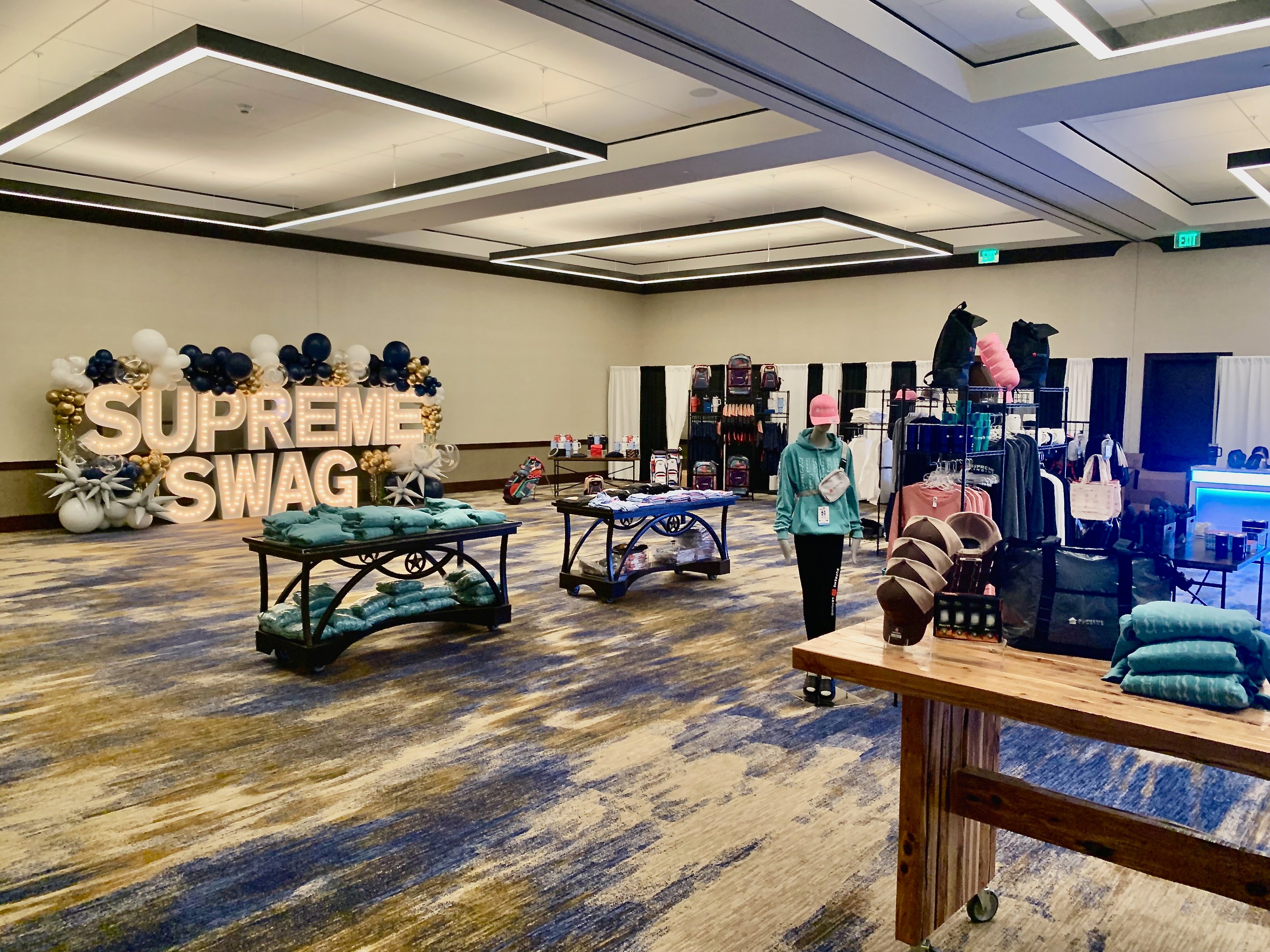
This approach offers a scalable and customized solution for merchandise management. Instead of sending the same gift to everyone, companies can provide curated selections that surprise and delight recipients yet still achieve program goals.
As merchandise programs grow, selecting the right platform and fulfillment partner is essential. They’ll help maintain consistency, control costs, and ensure a positive recipient experience.
Case Study: Creating Meaningful Employee Experiences at Cox Enterprises
Cox Enterprises needed a merchandise program that could support onboarding, employee engagement, and executive recognition across a large workforce. Phase 3 developed an Employee Onboarding & Retention Gift Portal. This portal lets employees choose branded merchandise that fits their interests and needs. Curated gift boxes help employees set up their home offices, stay active, and feel connected to Cox, wherever they work.
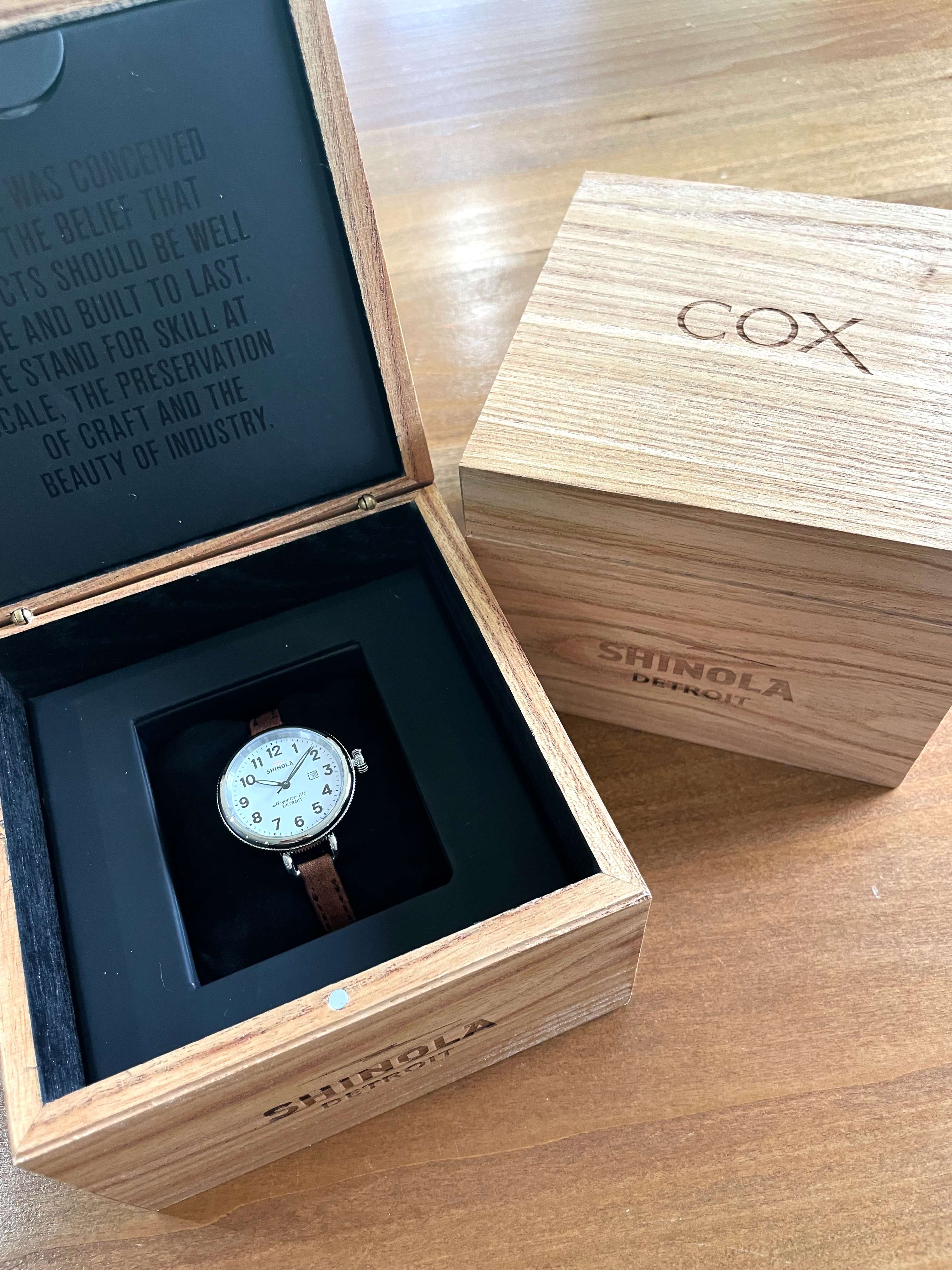
The partnership also extended to executive recognition. For the company's annual Corporate Dialog event, Phase 3 sourced and customized premium gifts. These gifts featured Apple watches, Tumi leather travel accessories, and Barbour and Shinola apparel and accessories. Each gift highlighted the event's significance. The personalized gifting experience also celebrated the recipients' value to the company.
This ongoing merchandise strategy supports multiple business objectives, including onboarding, retention, recognition, and culture-building. Instead of distributing products solely for visibility, Cox uses merchandise to create experiences that foster appreciation and strengthen employee engagement.
Packaging Shapes the Experience
The way a product is delivered can be as important as the product itself.
Custom packaging and kitting transform collections of products into cohesive brand experiences. Whether for onboarding kits, executive gifts, event packages, customer welcome boxes, or influencer campaigns, thoughtful presentation generates a stronger first impression.
Presentation shapes perceived value. The same product can leave a different impression with its packaging and delivery.
Organizations can use kitting programs to support:
-
New employee onboarding
-
Product launches
-
Online and in-person events
-
Lead generation campaigns
-
Holiday gifting
-
Influencer outreach programs
When executed well, packaging helps create a more complete and intentional experience.
The Value of a Strategic Merchandise Partner
Managing merchandise programs requires more than product selection.
As merchandise programs expand, they require inventory management, fulfillment, shipping, reporting, and brand governance. Coordinating these elements can quickly challenge internal teams.
Phase 3 combines branded merchandise expertise with creative services and robust technology platforms. We also house fulfillment capabilities, warehousing, packaging, and distribution support under one roof.
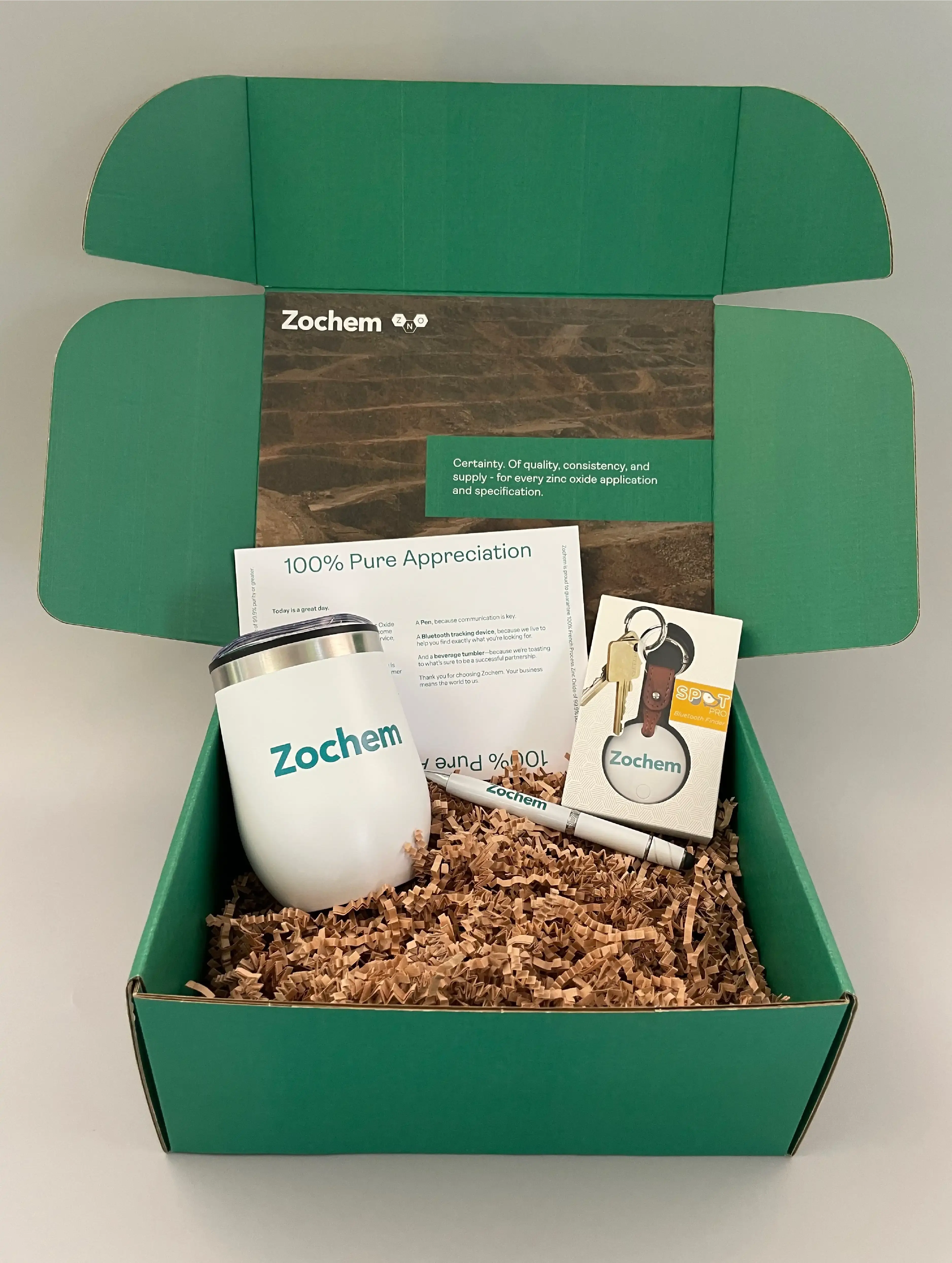
Clients use our services to simplify their branded merchandise programs for thousands of recipients. The digital portals make scaling their programs seamless. This integrated approach helps them deliver consistent experiences and simplifies internal processes..
Creating Merchandise That Delivers Lasting Value
The most effective merchandise programs feature relevant products, reliable quality, clear business objectives, and a strong understanding of the target audience.
When those elements align, branded merchandise becomes a strategic tool that supports business goals. It also reinforces brand positioning and strengthens engagement.
Whether launching an onboarding program, recognizing employees, supporting customer loyalty, or planning a holiday gifting campaign, the right merchandise helps achieve business goals and strengthens your brand.
Ready to explore new possibilities? Schedule a discovery meeting with the Phase 3 team to discuss your audience, business goals, and needs. We’ll help you create a merchandise program that people will use, appreciate, and remember.