
The CMO of a multi-unit fast casual restaurant company spent months developing a new website. She worked diligently to ensure the executive team aligned on the goals for the new site. Her team spent hours creating new messaging and visuals that reflected an updated brand image. The new design reflects the company's future strategic plan, with brand-new ordering functionality and opportunities for guests to provide feedback and share user-generated content. When the site launched, everyone felt confident they had finally captured who they were and where the company was headed.
Then, cracks started to appear. A customer downloaded an outdated menu. A community member noticed that the banners at an event looked completely different from the street sign she passed every day. A loyal customer ordered their favorite hot sauce from the new e-commerce site and received a shipment with generic packaging. An employee onboarding packet tells a slightly different version of the company's story.
Individually, these moments may seem insignificant. Together, however, they shape how people experience the brand and reveal the gap between intended and actual perception.
Even experienced leaders encounter this challenge. Websites often receive enormous attention because they are highly visible, measurable, and relatively centralized. But a website is only one place where people encounter a brand.
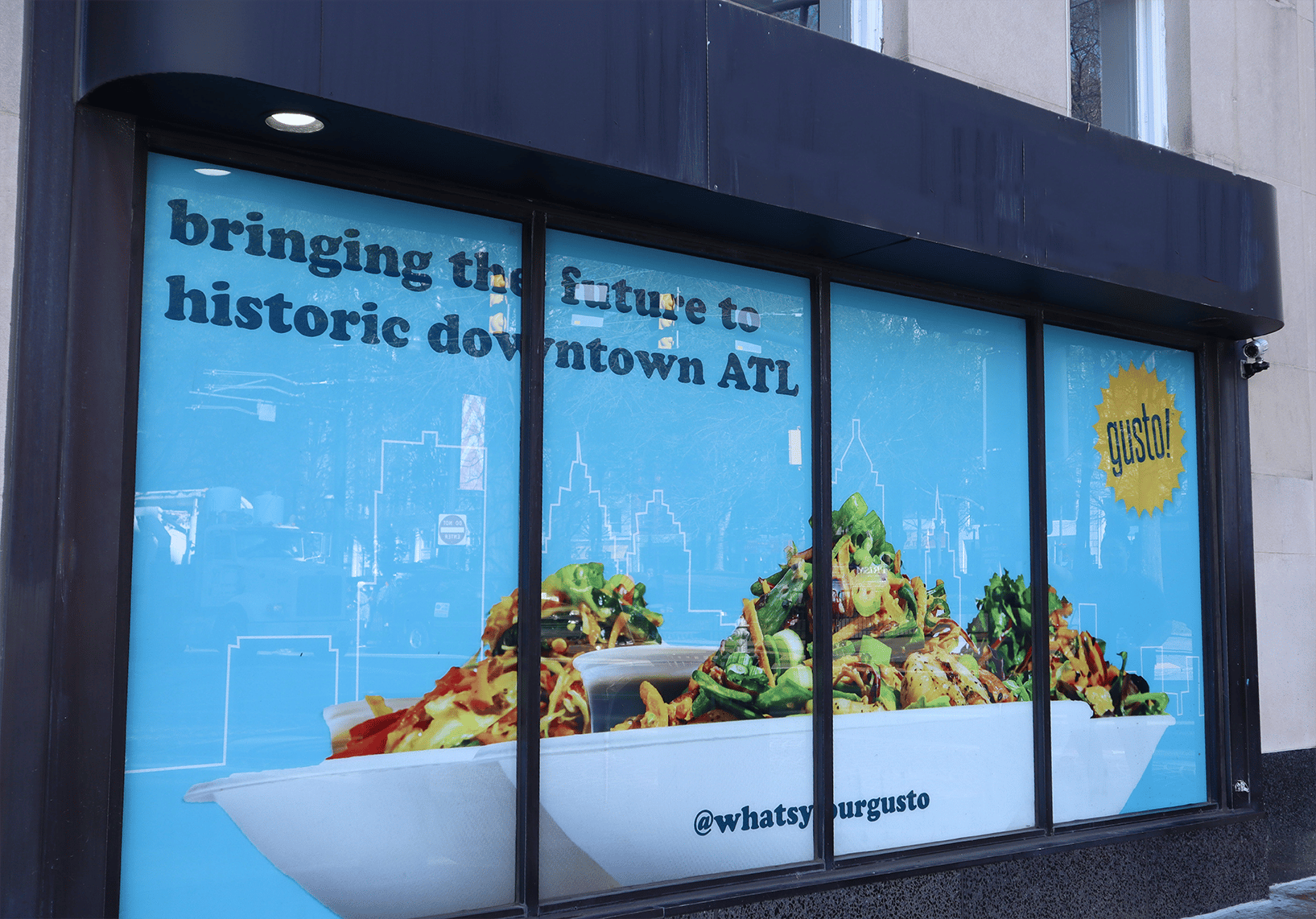
Customers, prospects, employees, partners, and vendors form opinions through countless interactions. They experience brands through sales conversations, product packaging, events, customer communications, signage, promotional products, advertising, and many other touchpoints.
A website may introduce the story, but every other interaction helps determine whether people believe it and want to hear more.
The Hidden Brand Touchpoints Most Companies Overlook
The restaurant company's marketing team wasn't ignoring the brand. They invested significant time and resources into the website and supported it with advertising campaigns designed to build awareness. The challenge was that many moments influencing perception occurred outside those highly visible efforts.
Customers rarely experience a brand through a single channel. They move between digital, physical, and personal interactions based on what they need at the moment.
A prospect may receive a proposal after a preliminary call. A customer might see a social media post, visit a store location, receive an email promotion, and contact customer service all within the same week. Someone may discover a company through an influencer, attend a community event, and later visit the website. A new employee often forms opinions about a company long before looking at its homepage.
These interactions carry weight because they occur when people are actively deciding whether a company is trustworthy, professional, and worth their attention.
Aside from your website, some of the most influential brand touchpoints include:
Marketing and Sales
-
Sales presentations and proposals
-
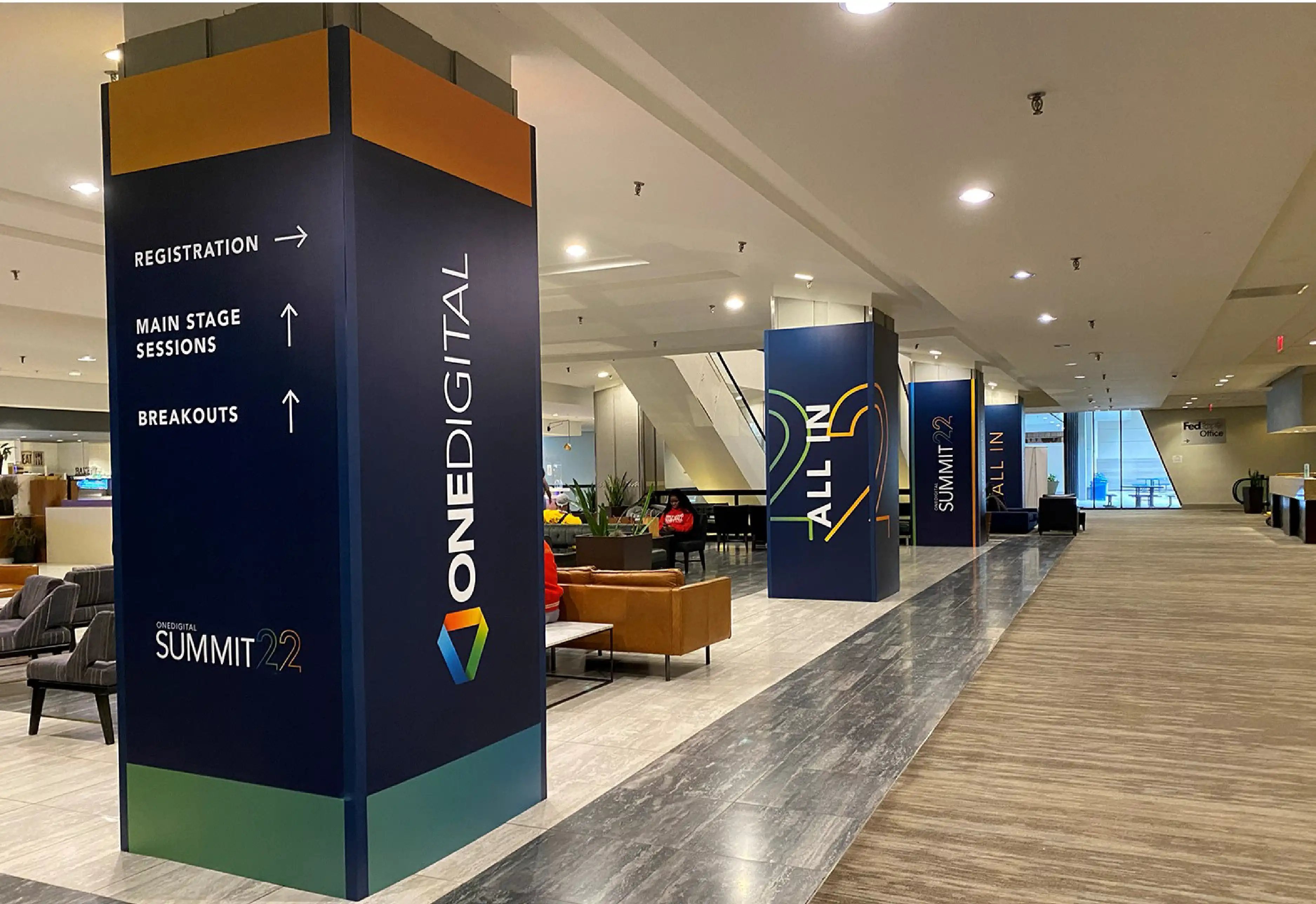
Trade show exhibits and event signage
Customer Experience
-
Product packaging and shipping materials
-
Customer service communications
-
Branded merchandise and appreciation gifts

Brand Environment
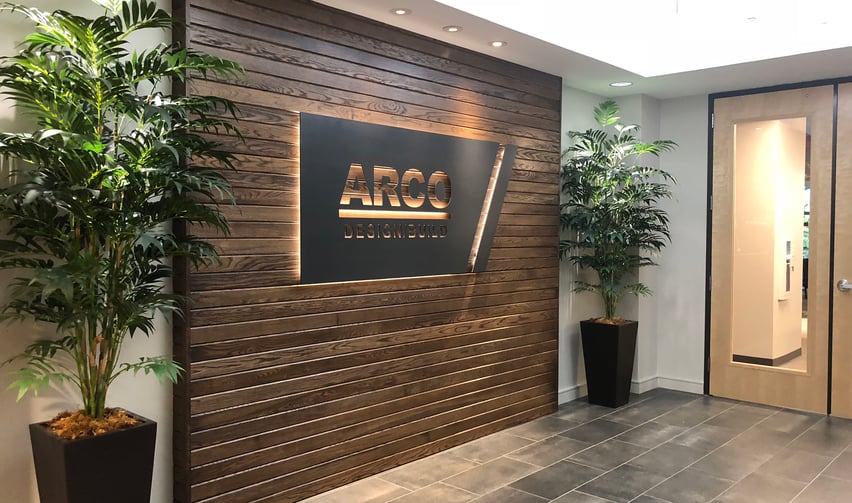
- Office environmental graphics
- Interior and exterior location signage and displays
- Employee uniforms
- Employee welcome kits and onboarding materials
What Brand Inconsistency Actually Looks Like
Brand inconsistency happens when multiple teams make reasonable decisions without a shared process that provides guardrails for communication materials. Over time, these disconnected decisions result in experiences that no longer feel aligned.
Messaging Inconsistency
The marketing team may position the company as an innovative industry leader, while the sales team focuses primarily on price. Recruiting materials may emphasize company culture while HR communications highlight operational excellence. Each message may be accurate, but together they cause confusion about what the company truly stands for.
Visual Inconsistency
It’s not unusual for businesses to have multiple versions of logos, colors, typography, and graphics circulating throughout the company. Different locations, departments, or external partners may unknowingly use outdated assets or use current assets incorrectly. Customers may never identify the specific issue, but they often notice when something feels off.
Experience Inconsistency
The website promises one experience while packaging, events, customer communications, or sales materials deliver another. No single touchpoint causes the problem. Instead, the issue comes from the cumulative effect of dozens of small moments that no longer reinforce the same expectations.
Why Consistency Matters More Than Any Single Asset
Research shows that both consumers and B2B buyers engage with brands via multiple channels before making a purchase decision. They want the experience they receive in every touchpoint to match the expectations that the brand creates.
Consider the world's most recognizable brands. When you engage with Apple, it feels familiar. This is true whether you visit a retail store, open a product package, browse the website, or contact customer support. The details may differ, but the experience always reflects the same standards of simplicity, quality, and design.
When brand experiences don't align, uncertainty follows.
Which message is accurate?
Which version of the company should I believe?
That uncertainty has real business consequences. People hesitate when they lack confidence. A consistent brand experience reduces confusion, strengthens trust, and helps customers make decisions with greater confidence.
The Other Costs of Brand Fragmentation
Brand inconsistency affects more than customer perception. It could also affect an organization's operational efficiency, generating another layer of concern.
Brand fragmentation also results in operational challenges behind the scenes. When teams don't have access to approved assets, templates, or guidelines, they often make their own materials. Multiple versions of presentations, brochures, logos, and marketing assets begin circulating throughout the organization. Employees spend time searching for the correct files. They may recreate existing materials or revise projects to meet current standards.
This may include:
-
Time lost locating approved assets and templates.
-
Delays caused by review and approval processes
-
Different teams are creating duplicate content.
-
Multiple rounds of revisions to correct branding issues
-
Extra costs associated with rework
Individually, these issues may seem minor. Collectively, they produce friction that slows execution and wastes resources.
Fragmentation also reduces the effectiveness of marketing investments. Campaigns work harder when they reinforce one another. Consistency allows every marketing dollar and channel to contribute to business goals, making each effort build on the last.
For firms operating in regulated industries, the stakes can be even higher. Healthcare organizations, financial institutions, manufacturers, and other regulated businesses often have strict requirements about disclosures, claims, certifications, and approved language. Outdated materials or unapproved content can cause compliance issues. They can expose organizations to legal risks. This can also damage credibility with customers and stakeholders.
When viewed through this lens, brand consistency becomes more than a marketing initiative. It’s a business discipline that boosts recognition, enhances efficiency, lowers risk, and ensures a better experience for everyone interacting with your business.
What a Connected Brand Ecosystem Looks Like
Brand consistency doesn’t mean that every message and channel is identical. A trade show exhibit shouldn’t look identical to a website, and a customer welcome kit shouldn’t read like a sales brochure.
Strong brands are built through connected marketing ecosystems. Websites, packaging, signage, merchandise, events, sales materials, customer communications, and digital experiences all reinforce the same story. When one piece feels disconnected, the entire experience becomes less effective.
What does a connected brand ecosystem look like in practice? It starts with a clear brand strategy and extends that strategy into every experience stakeholders encounter, creating continuity across each interaction.
Zochem: Extending the Brand Beyond the Website
Zochem, North America's largest dedicated producer of zinc oxide, faced a challenge common in many industrial markets. Buyers often viewed zinc oxide as a commodity, making purchasing decisions primarily on price.
Customer interviews revealed a different perspective. Procurement professionals consistently described their role as making sure everything went right. They wanted confidence in product quality, supply continuity, communication, and expertise.
Those insights led to a new brand platform centered on a simple idea: We Sell Certainty.
The website became an important part of communicating that message, but it was only one piece of the experience. Phase 3 helped extend the strategy through customer communications, educational content, onboarding materials, appreciation programs, packaging, newsletters, and branded merchandise.
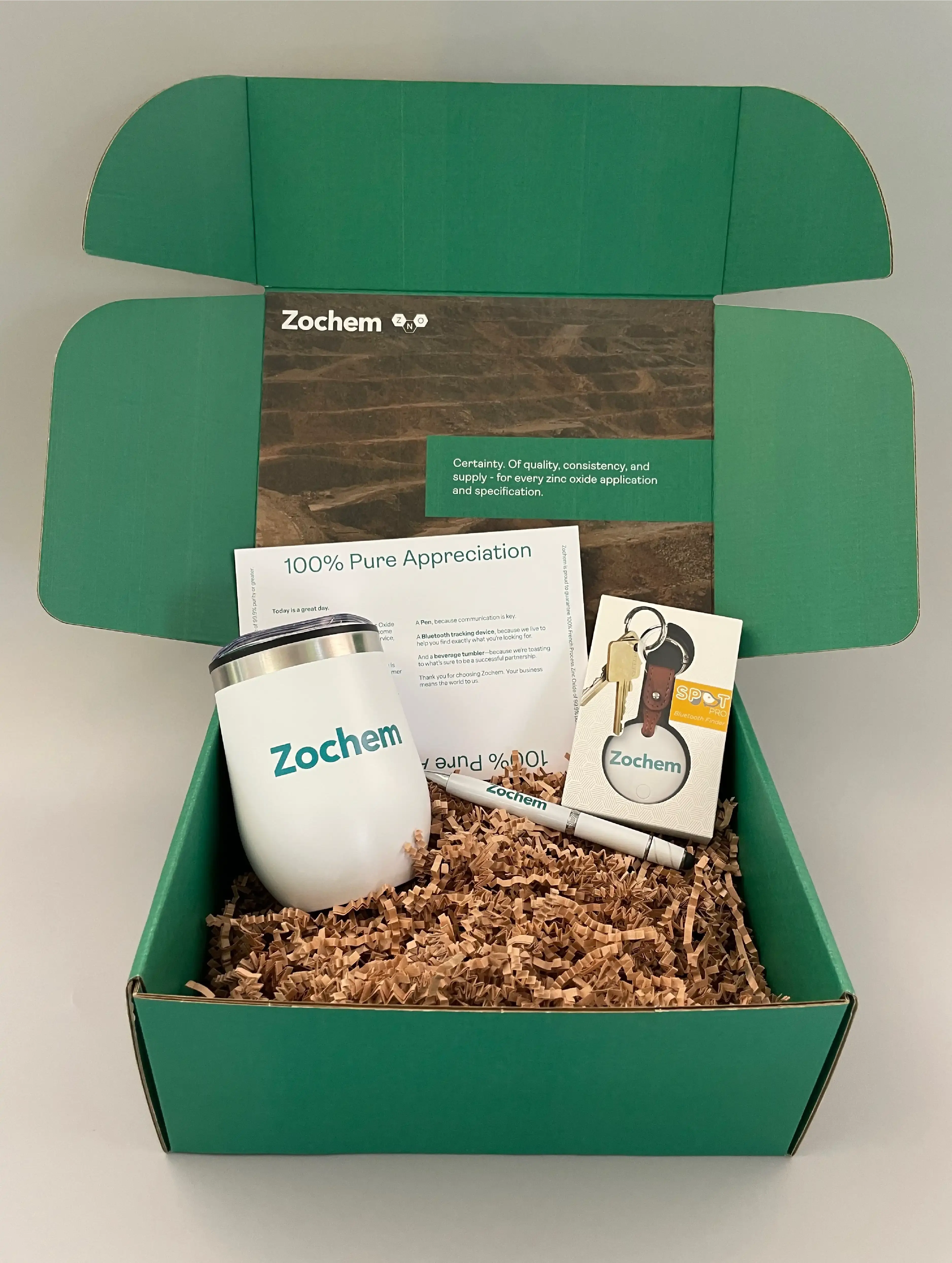
Customers received resources designed to help them make better purchasing decisions. New customer welcome kits demonstrated the same commitment to communication, consultation, consistency, and continuity that appeared throughout the brand messaging.
Together, every touchpoint helped customers experience certainty that Zochem was the right choice rather than simply read about it.
Saia: Bringing a Brand Promise to Life
A similar approach guided Phase 3's work with Saia. After extensive stakeholder and customer research, the team developed a new brand platform for Saia built around the idea, "It's a Yes." The new concept reflected how customers described their experience working with Saia: a company willing to find solutions, solve problems, and help customers move forward.

To bring the strategy to life, the rollout extended across employee communications, sales enablement tools, branded merchandise, events, environmental graphics, customer outreach, training materials, presentations, and digital channels.
The message was consistent both internally and externally. Employees encountered the message throughout the organization’s HR communications. Sales teams incorporated it into every customer conversation. Customers experienced it through digital communication channels, in-person events, and marketing materials.
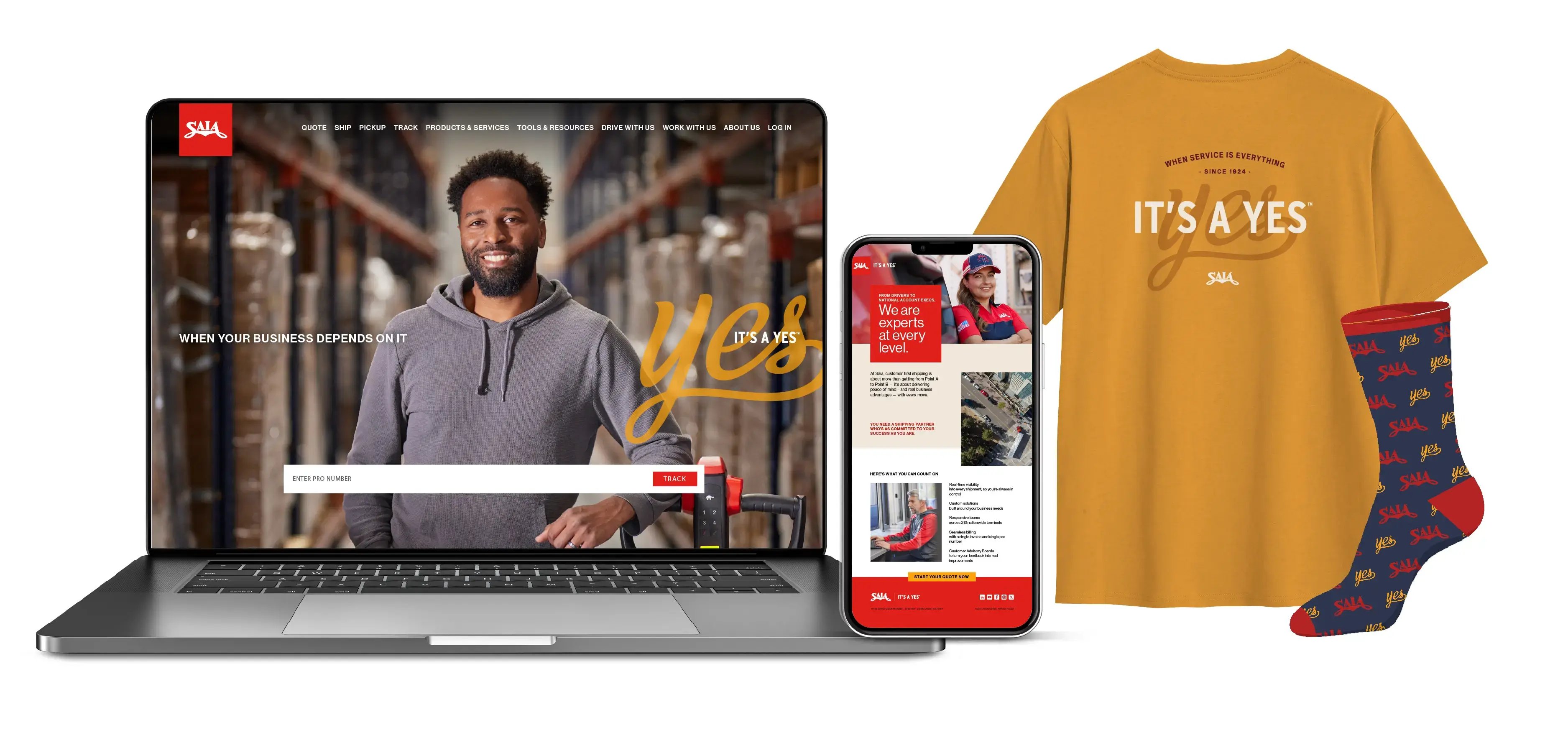
The result was a coordinated experience that helped Saia’s stakeholders understand what the brand stood for no matter where they encountered it.
How to Audit Your Brand Experience
One of the simplest ways to uncover brand gaps is to evaluate your business through a customer's eyes.
A simple exercise can reveal opportunities for improvement. Start by mapping the major interactions a stakeholder may have with your company.
Ask questions such as:
-
What does a prospect receive after an introductory sales call?
-
What does a customer experience after making a purchase?
-
What does our product packaging look like?
-
What do our store signage and displays look like?
-
What arrives when someone receives a shipment?
-
What does a visitor see at a trade show or event?
-
What communications are sent for sales and promotions?
-
What does a new employee experience during their first week?
Then evaluate those touchpoints side by side.
-
Do they feel like they came from the same company?
-
Do they communicate the same value proposition?
-
Do they appeal to the correct audience?
-
Do they use consistent messaging, visuals, and tone?
-
Do they reinforce the experience your website promises?
You may discover gaps you didn't realize existed. For example, your sales teams may be using outdated materials, or your packaging may not reflect the product's quality. You may find that your trade show materials highlight different priorities than the website.
These disconnects are often easy to fix once they're identified.
Branding Is a System, Not a Project
Brand fragmentation often occurs when multiple teams manage websites, packaging, events, sales materials, customer communications, and promotional programs independently. Without a shared framework, each group makes reasonable decisions in isolation. Over time, those decisions create experiences that no longer feel connected.
The strongest brands take a different approach. Their leaders view branding as an organizational system rather than a series of individual projects. They develop brand guidelines, content templates, marketing fulfillment processes and platforms, and other tools that help every team communicate the same story. They recognize that trust is built when each exchange reinforces the last.
That consistency creates a cumulative effect. Prospects gain confidence faster and with less friction. Customers feel deeper engagement as trust grows. Employees understand how to represent the brand. Overall, critical relationships become stronger because people know what to expect.
Your Website Is the Beginning, Not the Destination
Your website remains one of your most important marketing assets. For many people, it’s often the first place they learn about your organization.
But it’s rarely the place where they decide whether to trust you. Those decisions are shaped through dozens of interactions that occur before and after a website visit. Through a presentation or a package. It may be during a trade show or a customer service call. It could be through a sales email or a “welcome to the team” gift.
The companies that build strong brands know that every touchpoint matters. They focus less on individual projects and more on creating connected experiences that work together.
Creating Connected Brand Experience
The strongest brands don't deploy isolated marketing campaigns. They foster connected experiences. Every website, package, event, sign, sales presentation, email, and customer interaction contributes to how people perceive the brand.
When brand experiences work together, sales and marketing become more effective, and customers gain confidence in what an organization promises.
At Phase 3, we help organizations bring that consistency to life through brand strategy, creative, websites, signage, branded merchandise, packaging, events, customer communications, and marketing execution.
Because customers experience your brand as a whole, not only through your website. We’ll help you bring a consistent brand story to life across every touchpoint.
If your website tells one story but your customer experience tells another, let's start a conversation about building a more connected brand experience.