
Real estate developers juggle financing, construction, design, sales, and stakeholder expectations. Branding matters, but its application in a project isn’t always obvious.
If you’ve read our previous articles (see Related Reading links below) on real estate development branding, you understand the strategy and the “why.” Now, let’s move from theory to application. This article focuses on the “how.”
We’re using practical case studies to show how property branding translates into decisions and outcomes across strategy and naming, marketing, and the built environment.
Brand Strategy: Creating Demand Before Leasing Begins
Brand strategy for real estate defines who your property is for, what it stands for, and why it matters. Without it, your marketing and sales can become reactive and inconsistent.
For large-scale developments, brand strategy also creates internal alignment. It helps teams stay on course when stakeholders shift, market conditions change, and timelines extend over years. Yet too often, developers treat branding as a late-stage marketing task rather than a foundational business decision.
That misalignment comes at a real cost. Industry data shows that rework and scope creep account for 12% to 15% of total construction costs. This is often driven by unclear direction and early misalignment.
Your brand is your competitive advantage, but it doesn’t come from assumptions. It requires research into your target audience, location, and competitive set. That insight informs how you position your property and how people will experience it.
Happily Ever Upward at Broadstone Peachtree Corners
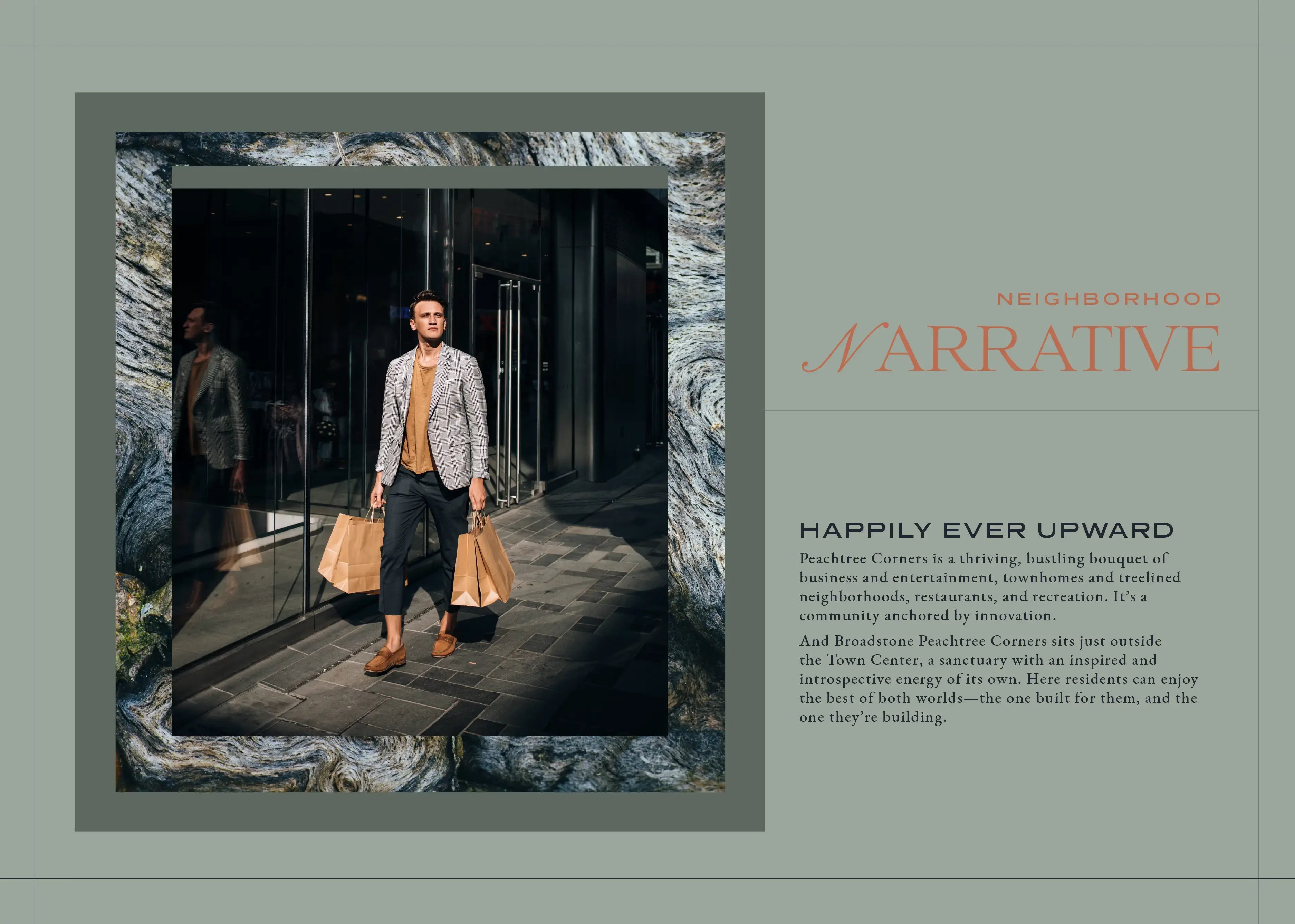
Broadstone Peachtree Corners entered a competitive Gwinnett County, Georgia market where many properties offered similar amenities. Differentiation through features alone was not enough.
![P3Web_PTC_Web_CaseStudy_Assets [Recovered]_Slider-3-1](https://www.phase3mc.com/hs-fs/hubfs/P3Web_PTC_Web_CaseStudy_Assets%20%5BRecovered%5D_Slider-3-1.png?width=2500&height=2500&name=P3Web_PTC_Web_CaseStudy_Assets%20%5BRecovered%5D_Slider-3-1.png)
Rather than defaulting to “luxury living” themes, the team concentrated on a defined audience: entrepreneurial, self-directed professionals in the nearby Technology Park. Research into the audience and community led to repositioning the property brand as a place for people designing life on their own terms.
The brand narrative—“Happily ever upward”—drew on a modern hero’s journey, inviting residents to step into a story of growth, balance, and personal direction.
The brand came to life through:
Messaging that emphasized meaning, not just features.
-
A visual identity aligned with the property’s design and setting.
-
Story elements that reflected progression, discovery, and transformation.
-
A clear appeal to professionals seeking a work-live-play lifestyle.
As a result, the community reached 92% lease-up, attracting the intended audience.
The Main Takeaway
If your strategy is generic, your marketing will be too. Research-driven positioning creates clarity and generates demand.
Naming: Positioning Before the First Impression
Your brand name is often the first interaction someone has with your property. It acts as a verbal trigger, shaping first impressions before a prospect sees a rendering, visits the community, or reads a brochure.
A strong name signals positioning, audience, and experience. It should be memorable, distinctive, and consistent with your broader brand system, especially across a portfolio.
Case Study: Heightened Happiness at Gladwen
A new multifamily building in Wendell Falls, North Carolina, needed a name and brand that connected it to the larger community. It also needed to stand out enough to attract a more discerning renter.
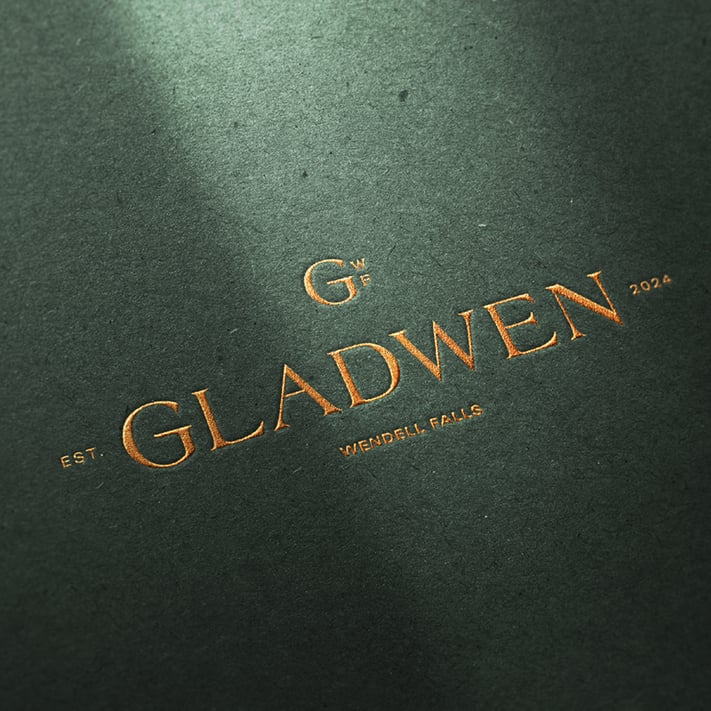
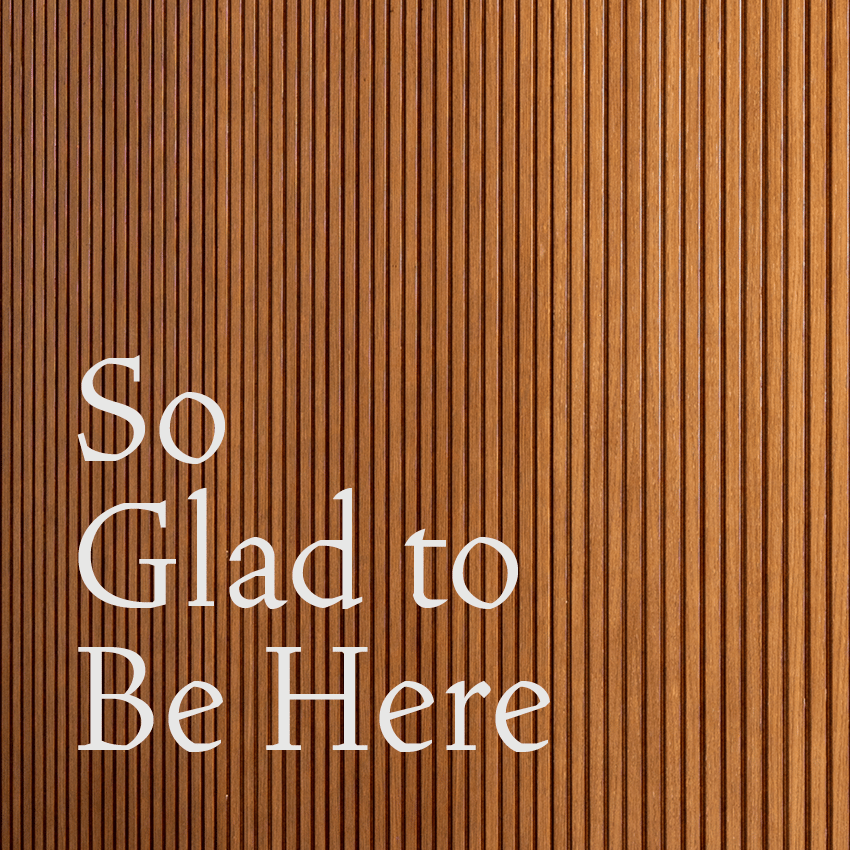
The name Gladwen provides that balance. It subtly nods to Wendell Falls while suggesting gladness, contentment, and a sense of ease. The tagline, “More than Happy. Gladwen,” reinforces this positioning. It elevates the experience beyond typical rental living and frames the community as a place to settle into a better rhythm of life.
The brand came to life through:
-
A name that created immediate emotional resonance.
-
Clear differentiation from nearby properties without losing context.
-
Messaging tailored to renters looking to put down roots.
The Main Takeaway
Naming is a strategic decision that shapes perception, pricing power, and long-term brand equity.
Brand Identity: Making the Property Visually Distinct
Brand identity design turns strategy into something people recognize and remember. Every design element—color, typography, graphics, imagery—should reflect your positioning and speak to your audience. A strong visual identity reinforces your property's identity and creates a consistent experience.
Case Study: Bridging Old and New at Artis Montrose
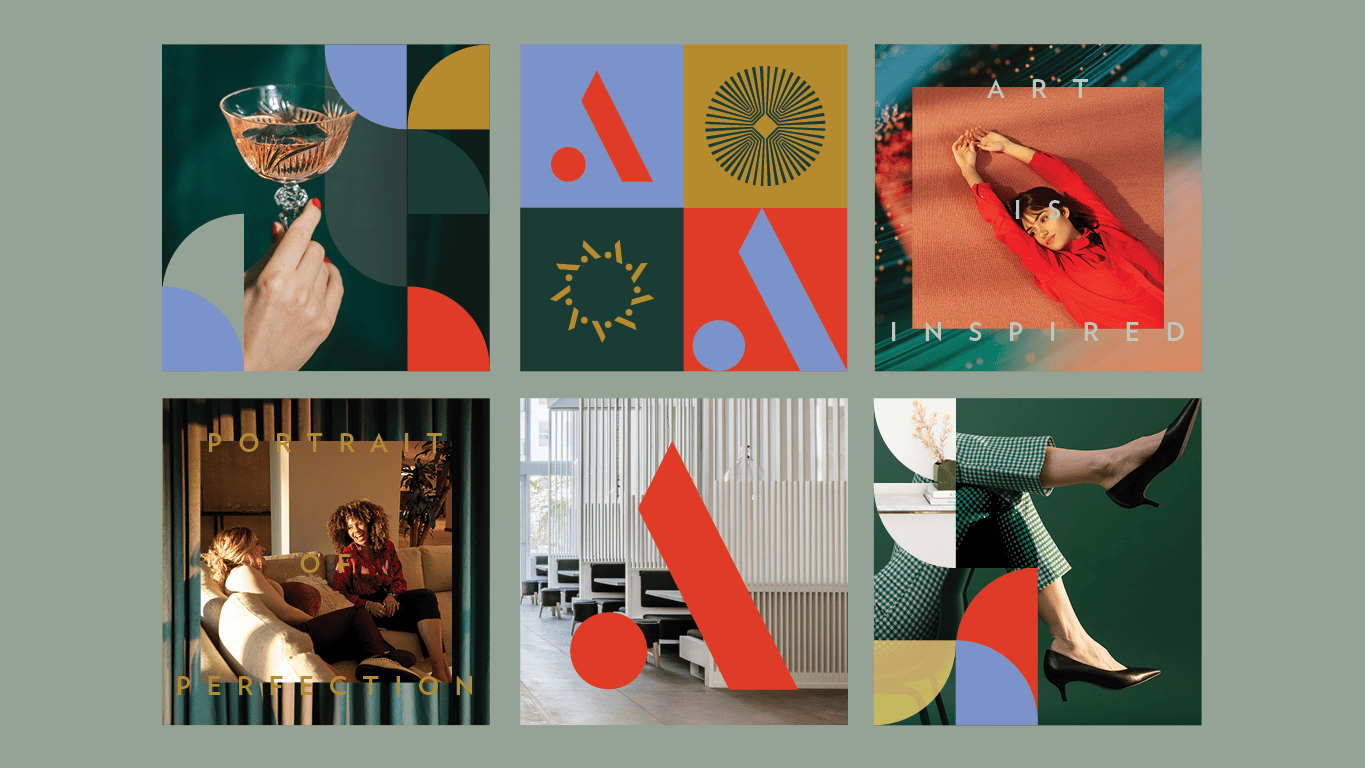
This luxury Houston property sits in a neighborhood known for its artistic roots and cultural contrast. The challenge was to reflect that duality: high-end living within a creative, eclectic community.
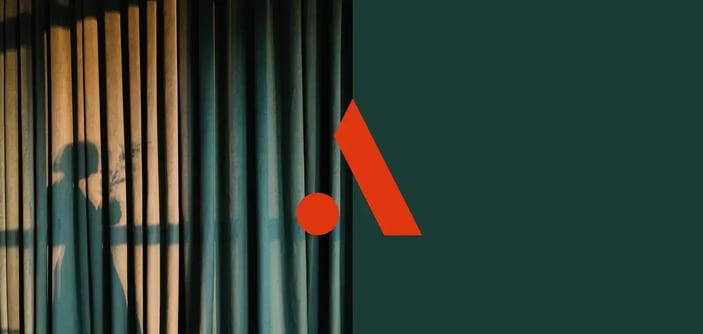
The name Artis, derived from the Latin word for art, anchored the concept. The creative team used bold colors, geometric forms, and layered design elements to express the contrast between modern luxury and artistic expression. These choices match the interiors, which have rich textures, smart contrasts, and bright spaces.
The brand came to life through:
-
A visual identity that reflects the surrounding neighborhood.
-
Design choices intentionally crafted to appeal to the target audience and their lifestyle.
-
Clear differentiation from generic “luxury” competitors.
-
Consistent design across signage, collateral, and digital experiences.
The Main Takeaway
Your identity should do more than look polished. It should express something specific about the place and attract the people who want to be part of it.
Marketing Execution: Turning Brand into Demand
A property brand succeeds only when activated consistently. Misalignment across channels weakens even the best strategy.
Marketing execution shapes how potential tenants view your property before visiting. It also reinforces that experience during the leasing process.
Case Study: Taking Luxury to the Next Level at Piedmont House
In Atlanta’s saturated luxury apartment market, simply using the word luxury was no longer enough. The challenge was to elevate perception and justify a premium price point.
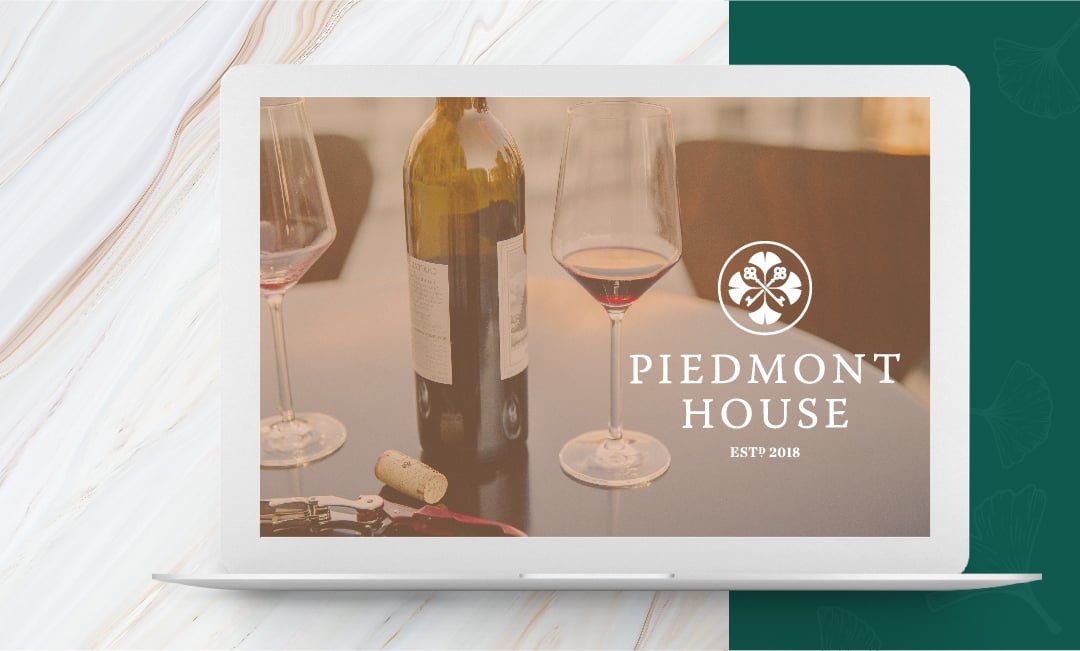
The Phase 3 brand strategy team positioned Piedmont House as more like a private residence than another rental. It's timeless, refined, and intentionally designed.
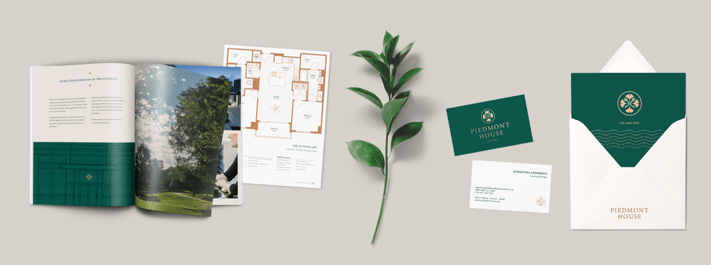
That positioning carries through to every digital and physical touchpoint, including:
-
Website and digital experiences.
-
Marketing, advertising, and PR campaigns.
-
Leasing materials and brochures.
-
Business cards and branded collateral.
-
Event activations.
The brand came to life through:
-
A cohesive experience across every buyer touchpoint.
-
Messaging that highlighted value beyond standard amenities.
-
A presentation that supported a premium leasing experience.
The Main Takeaway
Consistency turns a brand into a leasing tool. Fragmented execution weakens even the strongest brand strategy.
Environmental Branding: Bringing the Brand to Life On-Site
The physical environment is one of your most powerful brand channels. It shapes perception, reinforces identity, and influences both leasing decisions and long-term retention.
Research from McKinsey shows that memorable brand experiences make prospects more likely to choose a property. They also boost renewal rates and build long-term loyalty. In fact, there can be up to a 15% performance premium between similar properties based on experience alone, even when location, age, and amenities are comparable.
Case Study: Batter Up at Cortland at The Battery
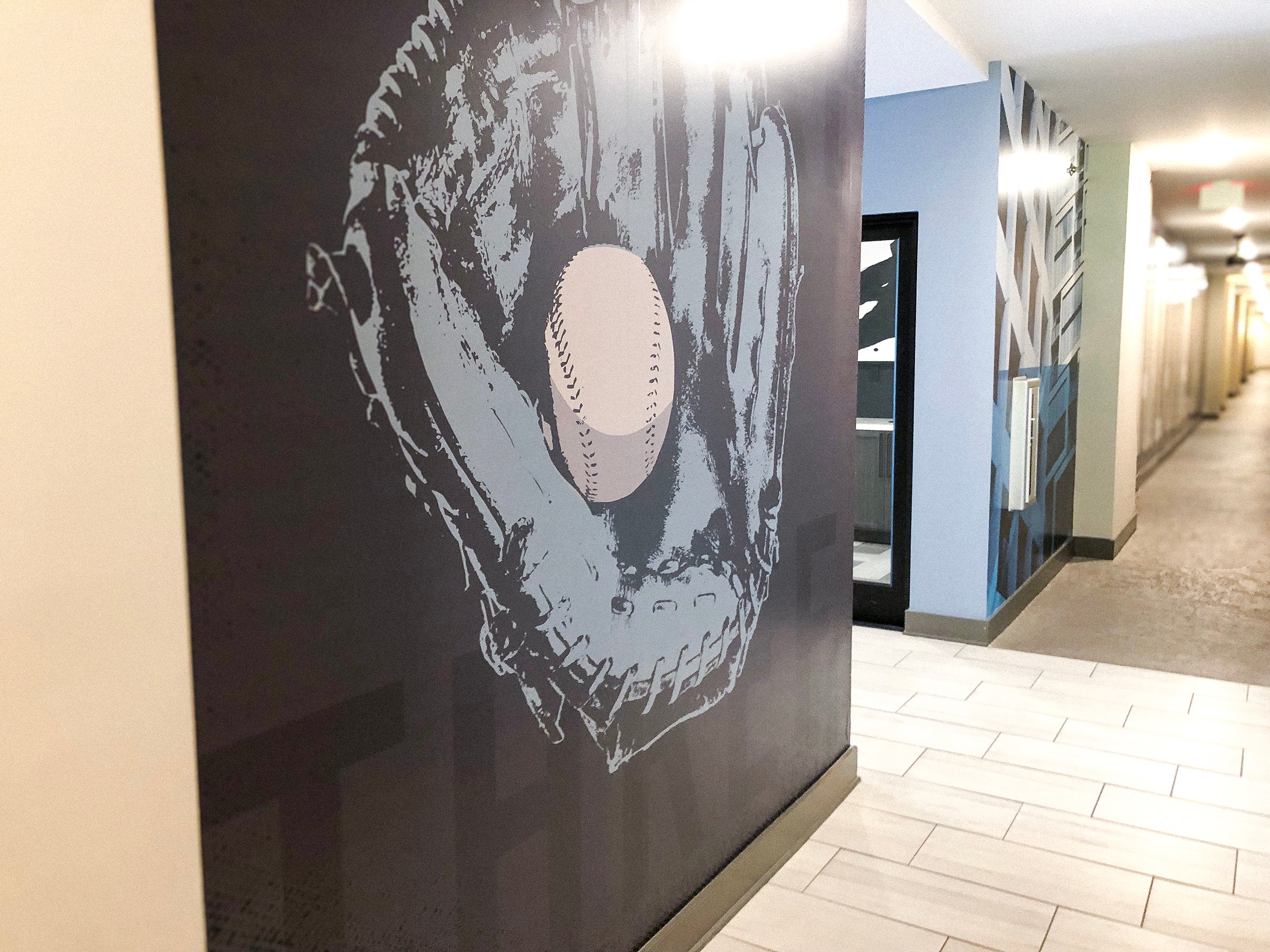
Located within a $400M mixed-use development anchored by Truist Park - home of the Atlanta Braves - Cortland at the Battery had a clear opportunity: connect the resident experience to the culture and energy of baseball.
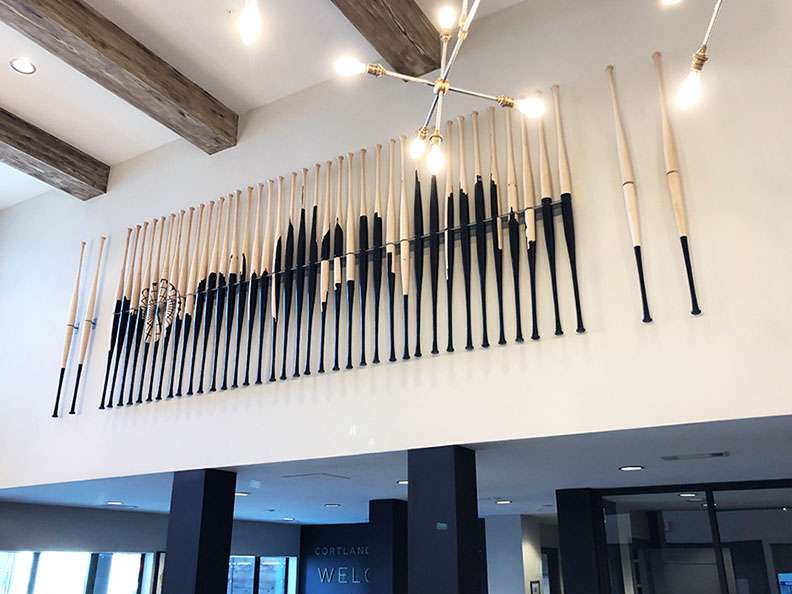
Rather than relying on generic residential décor, the team created a fully immersive environment that brought the concept to life.
Key elements included:
-
Dimensional installations using real baseball elements like balls, bats, and hats.
-
Custom graphics and layered materials added depth and visual interest.
-
Branded corridors that guided movement while reinforcing the story.
The brand came to life through:
-
A daily resident experience rooted in a clear and memorable identity.
-
A strong connection between the property and its surrounding environment.
-
A brand that extended beyond marketing into the lived experience.
The Main Takeaway
Your brand should live beyond marketing. Your residents and prospects should experience it daily.
Long-Term Brand Building: Creating Value Beyond Lease-Up
Successful real estate developers treat branding as an ongoing asset. They don’t see it as a one-time task or a quick marketing effort. A strong brand keeps communities consistent. It provides stability during construction phases, ownership changes, and market shifts.
Case Study: Waterways, Now and for the Future
Waterways, a 2,300-acre master-planned community in Richmond Hill, Georgia, required more than a launch campaign. It needed a brand system that could grow and adapt over time.
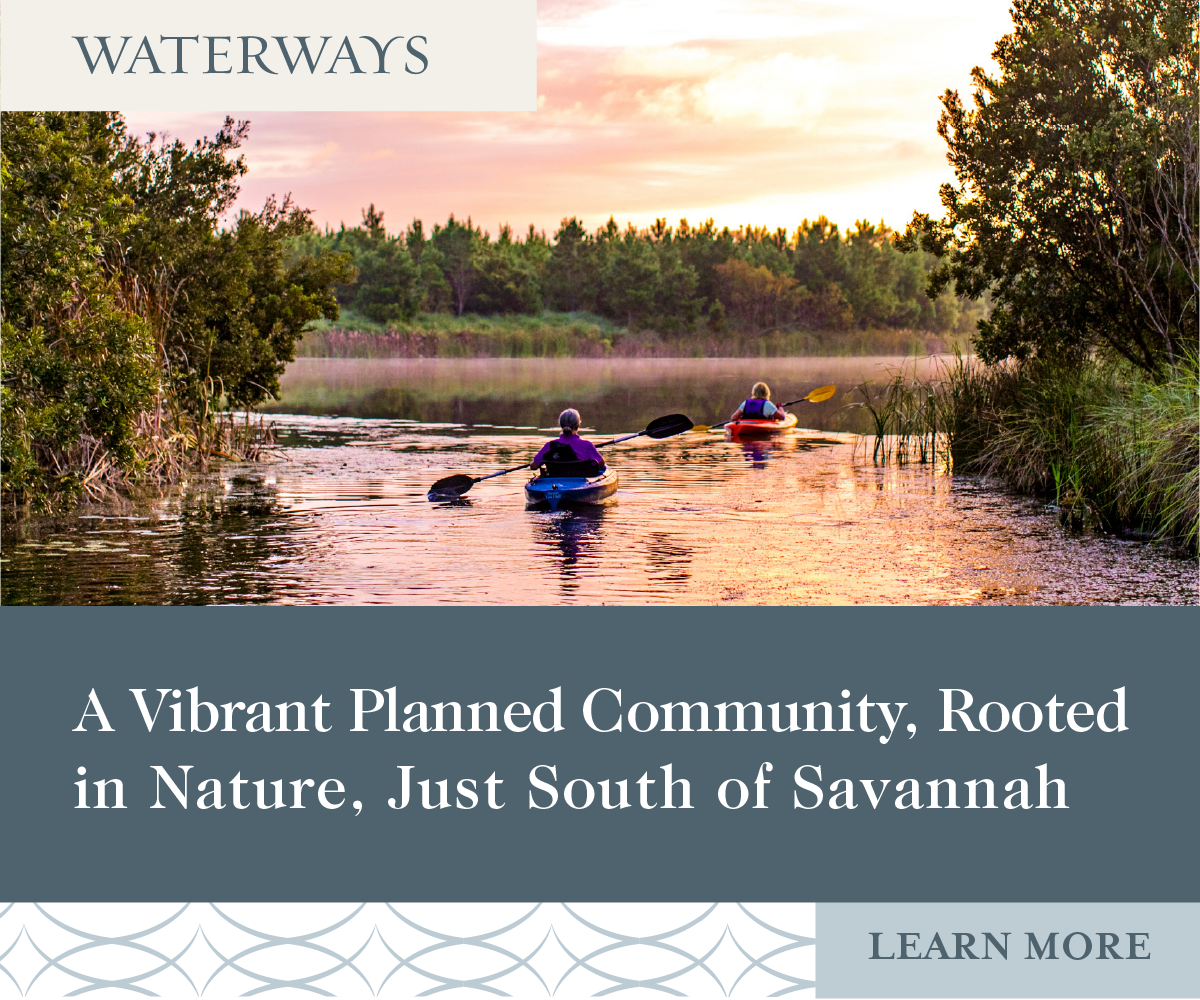
For Waterways, Phase 3 led branding, marketing, PR, and media efforts for over a decade across multiple phases. We started with a collaborative brand workshop that united stakeholders around a common vision. The resulting brand identity focused on the community’s defining strengths: its natural setting, expansive landscape, and water-oriented lifestyle.
The brand came to life through:
-
A cohesive identity anchored in a sense of place.
-
Sustained marketing momentum across multiple development phases.
-
Recognition as Best Community of the Coastal Empire.
The Main Takeaway
Branding should scale with your development and contribute to long-term value.
Brand Aligns Everything
Across every case study, one insight is clear: real estate development branding isn’t a layer added at the end. It’s what aligns decisions from the start.
It connects strategy to execution, reduces rework, and clarifies positioning. It also creates consistency across teams and touchpoints, so your project moves with focus instead of friction.
When your brand is clear, teams make faster decisions; marketing, sales, and advertising are aligned; and your property attracts the right residents sooner. The result is faster lease-up, stronger retention, and better long-term performance.
Ready to See What This Could Look Like for Your Next Project?
If you’re planning a new development or trying to bring alignment to an existing one, branding is one of the most valuable places to start. Our brand strategy and design agency team is the best in the business. With decades of experience in real estate development branding, we’ll bring your brand to life on the page, in pixels, and in person.
Schedule a discovery call today. Let's see how your property brand can bring clarity, stand out, and create lasting value for your next project.