
Customers rarely choose a company after just one interaction. Instead, they gather information over time. They compare options and read reviews. They visit websites and consult peers. They attend events, engage with sales reps, and try products firsthand before choosing which brands to trust.
Whether evaluating enterprise software, choosing a manufacturing partner, booking a hotel, or shopping online, every interaction shapes a customer's perception. Research shows most consumers engage with a brand across multiple touchpoints before purchasing. In fact, nearly one in four people researches a product or service five or more times.
Customers don't see marketing plans; they see one brand.
Every website visit, sales conversation, email, trade show, product package, customer service interaction, and recommendation shapes their brand impression. Yet, different teams may create and manage these experiences.
For example, a prospect might visit your website, meet your sales team at a trade show, receive an email, read a media story, and eventually request a proposal. Similarly, a retail shopper may discover a product online, compare it in-store, receive a promotional email, and later recommend it to a friend.
When a brand’s messaging, visuals, and customer engagement are aligned, each campaign asset reinforces the previous one. Without this alignment, customers struggle to grasp their identity, differentiators, and value.
Integrated marketing brings strategy, messaging, creative assets, digital channels, physical environments, and customer communications together around a shared business goal. The result is a stronger brand, clearer messages, and an easier customer journey for buying decisions.
This guide examines integrated marketing. It explains how it differs from multichannel and omnichannel marketing. It also covers key decisions that help leaders plan, implement, and measure campaigns to achieve better business results.
What is an Integrated Marketing Campaign?
An integrated marketing campaign coordinates customer-facing activity around a shared strategy, uniform messaging, and unified customer experience. Instead of viewing each customer touchpoint as a separate task, all tactics work toward the same business goal.
That doesn’t mean every communication looks identical. Different channels serve different audiences, and people consume information in different ways. A LinkedIn article may provide industry insight, while a trade show booth would demonstrate a product. A direct mail piece may offer an incentive and a website may provide the detailed information buyers need to evaluate their options. Each serves a different purpose while communicating the same value proposition. Each also reinforces the same visual and verbal identity.
Digital and physical channels contribute unique strengths. Digital marketing makes information easy to discover, personalize, and update. Print and physical environments build presence, credibility, and memorable interactions that digital channels can’t replicate. Together, they create a more complete customer journey.
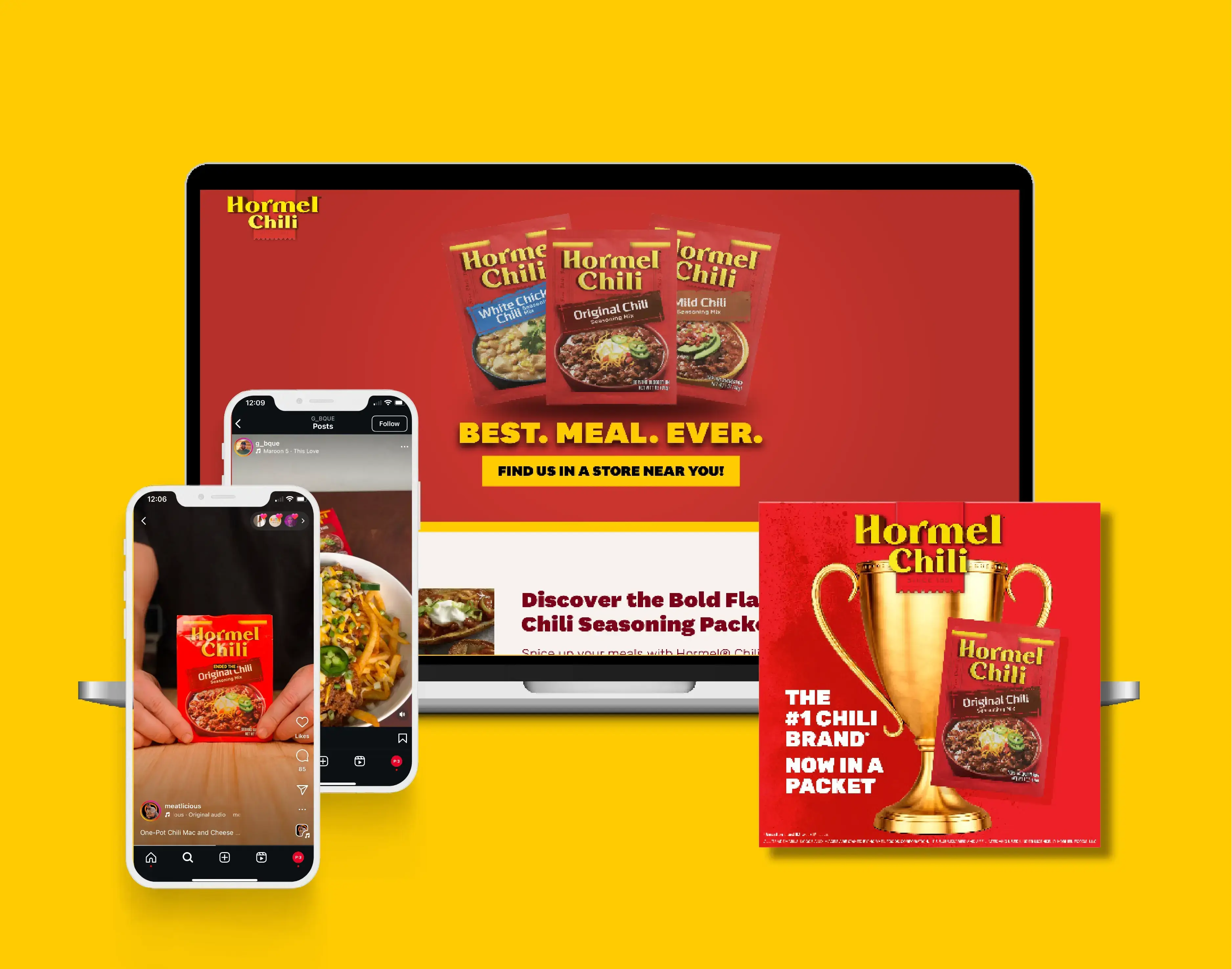
Consider a retailer launching a seasonal product. They may begin with social media advertising and email, then move to the retailer's website and mobile app. They include the campaign in window displays, branded store signage, and point-of-purchase signage. They may also incorporate premium packaging, loyalty rewards, and post-sale communications.
Each touchpoint has a unique role. Still, all communications share the same positioning, messaging, and customer promise. Research shows that uniform messaging across channels reduces uncertainty. This helps customers make purchasing decisions with greater confidence.
Achieving this level of alignment starts well before the campaign reaches customers.
Although integrated, multichannel, and omnichannel marketing are often discussed together, each address different challenges. Understanding these differences helps organizations select the right strategy for their goals.
Understanding Integrated, Multichannel, and Omnichannel Marketing
The terms integrated, multichannel, and omnichannel are often used interchangeably. In reality, they describe different approaches to reaching customers.
Multichannel Marketing
Multichannel marketing involves communicating across multiple channels, such as email, social media, paid advertising, websites, print, events, and direct mail. Each channel may perform well on its own, but campaigns are often planned and measured independently.
A retailer, for example, might run social media ads, send promotional emails, and distribute printed circulars. Each channel promotes the same sale. However, the creative, messaging, timing, and customer interaction may differ across platforms.
Multichannel expands your reach by meeting customers where they already spend time. However, it doesn’t necessarily produce a cohesive customer experience.
Omnichannel Marketing
Omnichannel marketing focuses on creating a seamless journey as customers move between channels. The emphasis is on continuity.
Customers expect every exchange to feel connected. Discovery often occurs through channels other than the final purchase channel. Retailers, healthcare organizations, hospitality brands, and financial institutions often invest in omnichannel strategies. This is because their customers regularly move between digital and physical experiences.
Omnichannel marketing removes friction as customers move between channels. However, if a campaign strategy is misaligned, each channel may still convey different messages or themes.
Integrated Marketing
Integrated marketing builds on both approaches by aligning communications and customer touchpoints around the same business objective, messaging, visual identity, and experience.
Leveraging All Three Strategies
The strongest campaigns combine the advantages of all three approaches. They communicate via multiple channels, deliver seamless customer experiences, and align interactions under a single unified strategy. That combination allows every marketing investment to work harder and deliver better results. Each channel complements the others instead of competing for attention.
The impact can be significant. The Aberdeen Group reported that organizations with strong omnichannel engagement retain an average of 89% of their customers. This is compared to 33% for those with weaker engagement. Omnisend research shows that campaigns using three or more channels generate a 287% higher purchase rate than single-channel campaigns. These findings reveal a crucial point: marketing investments are more valuable when they work together.
Regardless of the approach, success rarely comes from choosing more channels. It results from making intentional decisions before the campaign begins.
Build the Strategies Before Choosing the Channels
Many organizations select marketing channels before defining the campaign’s objectives. One team may recommend social media, another email, while sales prefers trade shows and leadership requests digital advertising. Each suggestion has value, but a clear strategy simplifies channel decisions.
Successful integrated campaigns begin with a clear business objective. Every channel, communication, creative asset, and budget decision must support that goal.
Start by answering these fundamental questions.
What Business Outcome Are We Trying to Achieve?
Define the primary goal before discussing channels and tactics. It might be to strengthen product awareness, launch a new service, or generate qualified leads. It could also be to boost e-commerce sales, increase loyalty, or enhance employee engagement. A clear objective provides direction for every decision that follows.
Who Are We Trying to Influence?
Different audiences have different priorities, questions, and buying behaviors. Customers at different stages of the buying journey need different messages. Understanding both the audience and their decision-making process helps determine what to say, when to say it, and where to say it.
What Message Should Customers Remember?
A successful integrated campaign starts with a clear, memorable idea. Whether it’s a product benefit, customer story, seasonal theme, brand promise, or campaign concept, it should provide teams with a clear direction. It should also make a lasting impression on every customer.
Consider campaigns such as Nike's Just Do It or Dove's Real Beauty. The same idea appeared in advertising, public relations, social media, retail environments, packaging, events, and digital experiences. The execution changed from channel to channel, but the underlying message remained consistent.
Your campaign doesn't need a famous tagline. It needs one central idea that all communication reinforces. The wording may vary to fit the audience and the channel, but the value proposition, personality, and key themes should stay the same.
When creative, sales, public relations, digital marketing, retail, and customer service communicate the same core message, customers find it easier to recognize your brand. They'll understand what makes you different and have more confidence as they move through the buying journey.
How Will You Maintain a Consistent Visual and Verbal Identity?
Customers become more familiar with your organization when they repeatedly encounter the same visual and verbal identity. Logos, typography, photography, imagery, color palette, language, tone of voice, and key themes should work together across touchpoints. Individual pieces of content don't need to be identical, but they should clearly belong to the same brand.
Customers form opinions about your organization through more channels than just advertising. Every external communication shapes how people see your organization. This includes product packaging, store signage, and event materials. It also includes employee apparel, branded merchandise, and customer service interactions.
Without shared brand standards, even well-designed materials can gradually drift in different directions. Those small inconsistencies accumulate over time. They make it harder for customers to recognize your brand and understand your value.
What Action Do We Want Them to Take?
Every campaign should guide customers toward a specific next step. Awareness alone rarely produces business results. Whether the action is requesting a consultation, downloading a guide, visiting a retail location, scheduling a demo, or completing a purchase, each touchpoint should make the next step clear and easy.
Which Channels Best Support the Customer Journey?
The answer depends on your audience, business objective, and where customers are in their buying journey. A manufacturing company launching a complex product could use trade publications, sales outreach, webinars, and industry events to reach its enterprise decision-maker audience. A craft store preparing for a seasonal promotion may focus on social media, email, in-store signage, mobile messaging, and e-commerce because that’s where their craft-loving customers spend their time.
Adding more channels doesn’t automatically produce better results. The goal is to select channels most likely to influence your audience and assign each a clear role within the campaign. The right channel strategy ensures your marketing investments work together rather than compete for attention.
| Channel | Primary Purpose |
| Paid advertising/media planning | Building awareness and reach new audiences |
| Public relations | Establish credibility through third-party validation |
| Social media | Encourage engagement and extended conversations |
| Website and landing pages | Educate buyers and drive action |
| Email marketing | Nurture relationships and encourage the next step |
| Sales materials and marketing collateral | Supports conversations and demonstrate value |
| Events and trade shows | Create meaningful, face-to-face interactions |
| Signage and displays | Capture attention and influence decisions in physical spaces |
| Packaging and branded merchandise | Extend the brand experience beyond the purchase |
Channel selection should never become a debate between digital and print. The most effective campaigns combine both. A QR code on direct mail can drive traffic to a personalized landing page. A trade show demonstration may lead to an email nurturing campaign. A news article can encourage prospects to request a printed buyer's guide. Each communication builds on the previous one.
How Will These Channels Work Together?
One of the most widely used frameworks for planning integrated campaigns is the PESO Model, created by Gini Dietrich. The framework groups customer touchpoints into four categories:
-
Paid media includes advertising, sponsored content, and paid search.
-
Earned media includes public relations, media coverage, influencer relationships, and customer reviews.
-
Shared media includes social media and content shared by customers, partners, and employees.
-
Owned media includes your website, email marketing, blog, printed collateral, events, company stores, and other channels your organization controls.
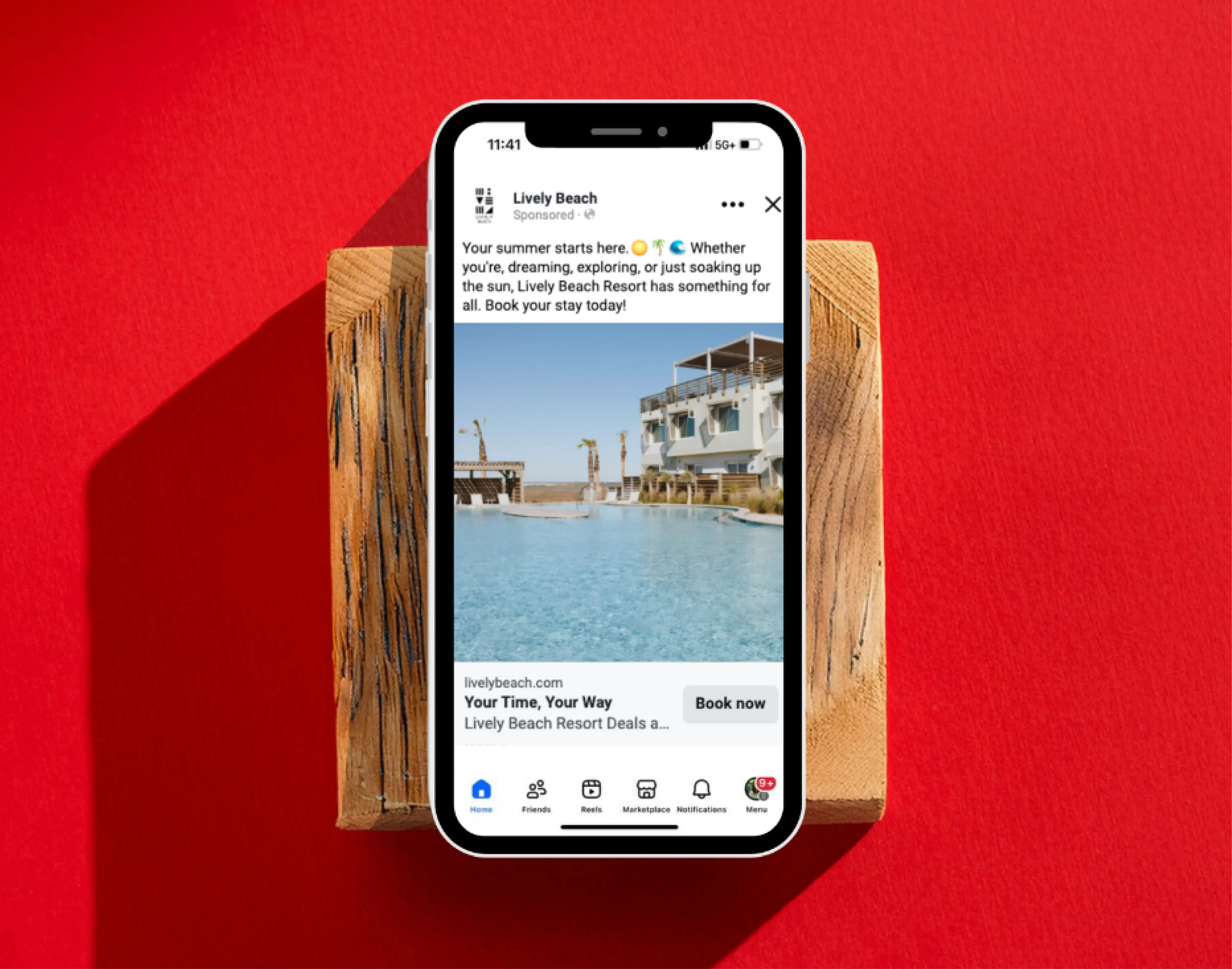
The greatest value comes when these four media types work together to expand reach, solidify credibility, and increase the effectiveness of your marketing investment.
The PESO Model is a useful planning framework. However, successful campaigns require more than good channel selection. They begin with a clear strategy. This strategy outlines each channel’s purpose. It also shows how every touchpoint supports the campaign.
Read more about the PESO model and Phase 3’s Media Mix strategy here.
How Will We Measure Success?
Before launching a campaign, define what success looks like. An integrated marketing campaign should support a measurable business goal. It could be to enhance brand awareness, generate qualified leads, or drive e-commerce sales. It could also be to launch a new product, boost event attendance, or improve customer retention.
Individual channels will contribute in different ways. Paid advertising may generate awareness. Landing pages and product demonstrations may generate leads. Sales presentations can move prospects closer to a purchase. E-commerce platforms convert interest into revenue, while email marketing encourages customers to take the next step.
The goal isn’t for every channel to produce the same result, but for each to contribute to the campaign's overall objective. Defining success in advance helps teams zero in on the right channels and tactics. It also lets them divide resources wisely and assess results based on real business outcomes.
When business leaders answer these key questions before launching a campaign, each channel has a defined purpose, and all teams understand their role. The next challenge is execution. Beyond creative development, integrated campaigns require production, fabrication, installation, fulfillment, logistics, technology, and multiple teams to work together on the same timeline. Coordinating the moving parts turns a planned campaign into a smooth customer experience. It feels intentional from start to finish.
Turning Strategies into Execution
Every activity has its own timeline, dependencies, and stakeholders, but all must work together. Paid advertising may depend on a landing page. A sales presentation may require printed collateral. A product launch may involve packaging, environmental graphics, and branded merchandise. Without alignment, even the strongest campaign can falter.
This process becomes even more important as campaigns expand beyond digital channels. Production and fulfillment are as critical as creative execution. Customers seamlessly switch between digital and physical touchpoints. They expect each experience to feel connected.
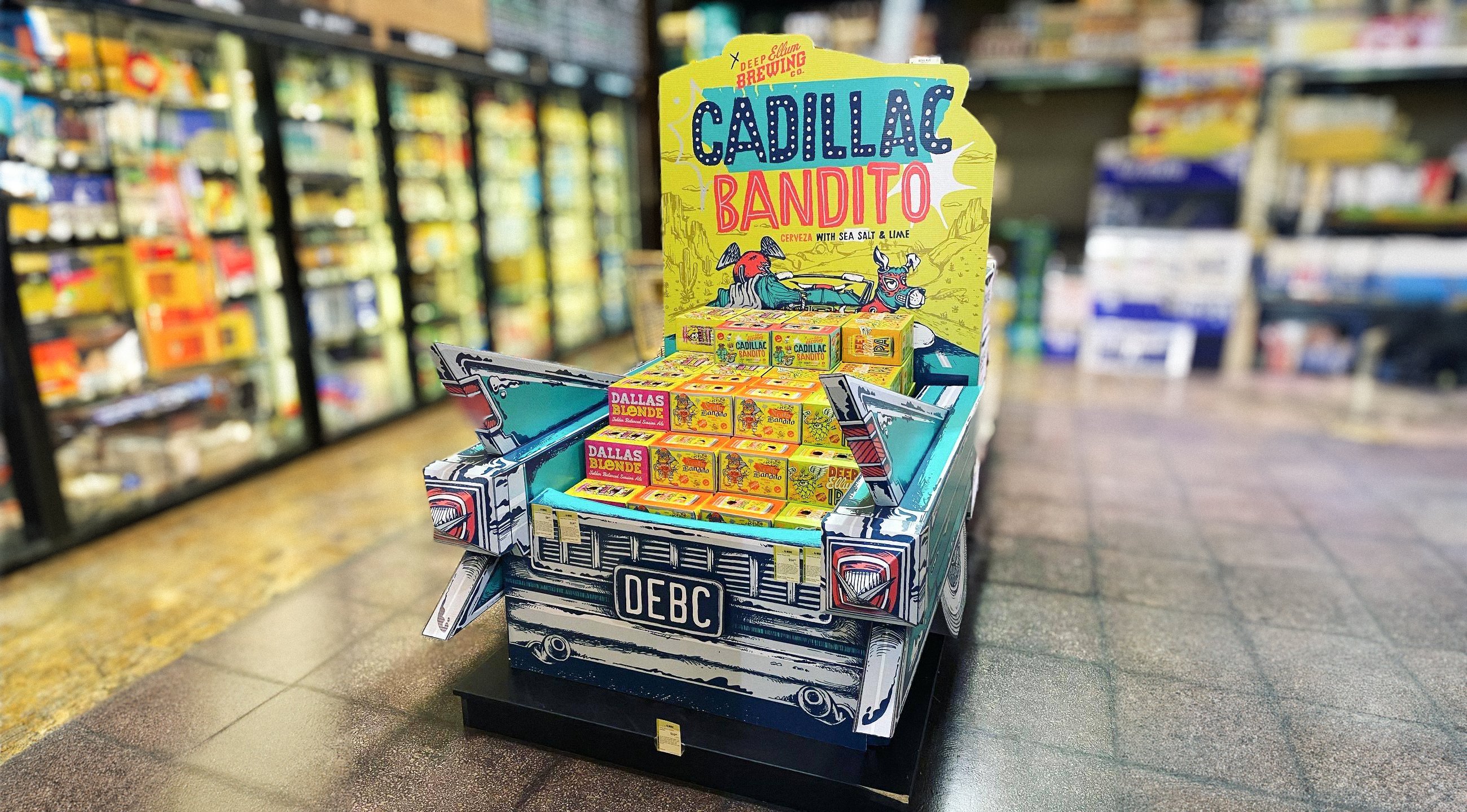
Digital channels make it easy to personalize and measure your message. Physical experiences, such as direct mail, retail spaces, packaging, environmental graphics, and branded merchandise, create credibility. They also enhance memorability and offer tangible experiences. These elements provide what digital channels can't replicate.
Successful organizations plan for both. Digital assets can often be updated quickly. Yet, printed materials require sourcing, production, installation, and longer lead times. Coordinating these timelines ensures customers move between digital and physical experiences without confusion.
Successful integrated marketing campaign execution relies as much on governance as on creativity. Shared campaign plans, creative assets, production schedules, messaging frameworks, and performance metrics enable every team to follow the same strategy and coordinate execution across departments and external partners.
Many campaign challenges stem from coordination issues rather than creative ones. Aligned strategy, execution, and production make campaigns more effective. They create a smoother buying journey.
Read more about how strategy fails without execution here.
Measuring Success Across the Entire Campaign
Integrated marketing campaigns encourage business leaders to evaluate the entire customer journey rather than individual marketing activities.
Too often, individual teams measure channels independently. For example, PR tracks media placements, digital marketing reports on click-through rates, social media focuses on engagement, email marketing measures open rates, and sales tracks leads and revenue.
Each metric has value, but none tells the complete story. An integrated campaign asks a broader question:
Did the combined effort move customers closer to a business objective?
Because each channel serves a different purpose, evaluating them independently rarely reflects the campaign's true impact.
A balanced measurement approach typically includes three types of metrics:
-
Business outcomes measure whether the campaign achieved your main objective. Examples include revenue, qualified leads, conversion rates, customer retention, average order value, or market share.
-
Engagement metrics explain how customers responded to the campaign. Website traffic, email click-through rates, event attendance, social engagement, media coverage, and time on page provide insight into which touchpoints captured attention and encouraged action.
-
Brand metrics reveal longer-term impact. Brand awareness, share of voice, customer sentiment, online reviews, repeat purchases, and direct traffic often indicate growing familiarity and trust that reaches beyond a single campaign.
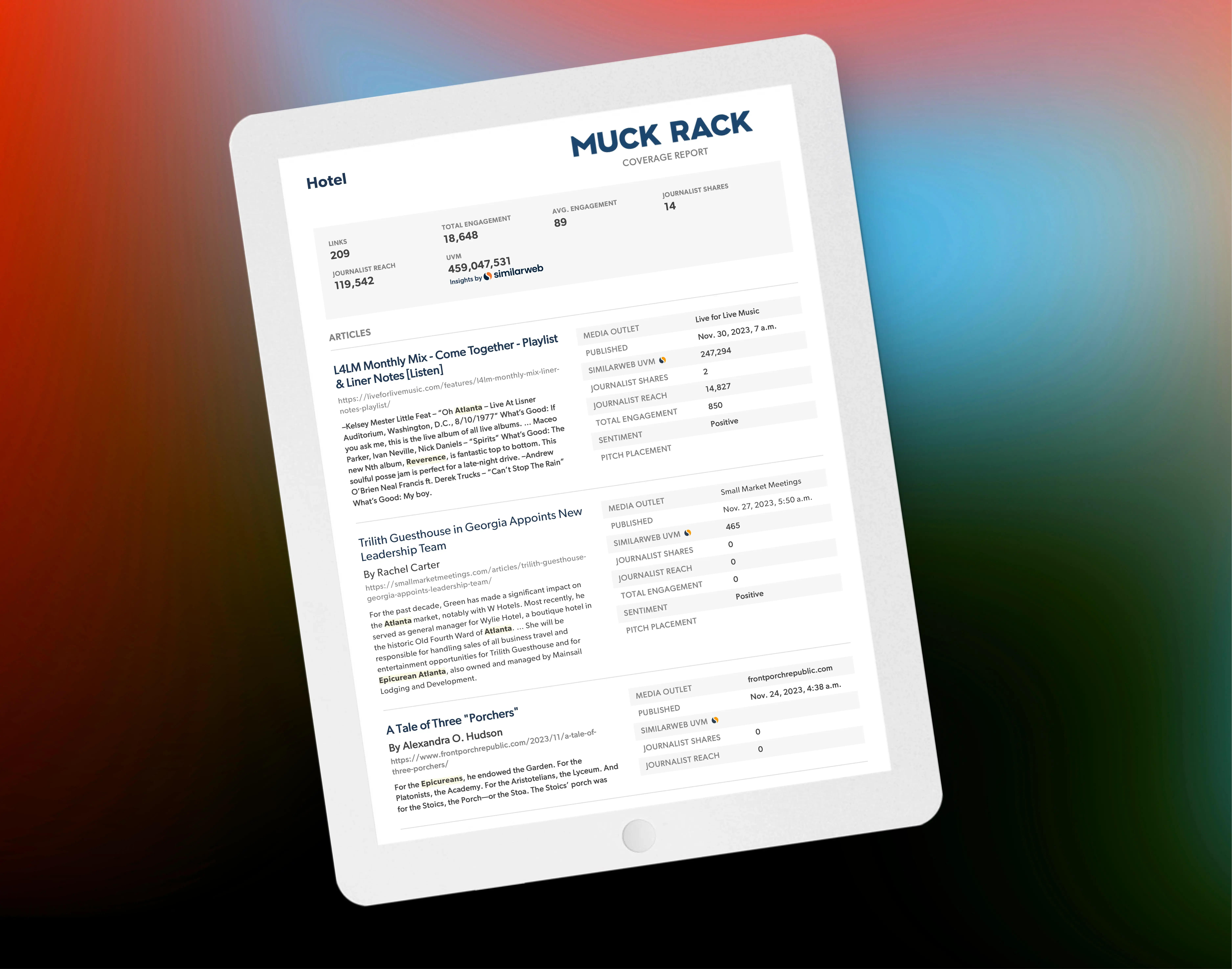
Reviewing these metrics together provides a more complete picture than evaluating any single channel in isolation. A media interview might not affect sales right away. Yet, it can boost website traffic, increase search visibility, and influence future buying decisions. A trade show might produce fewer leads. However, those interactions can lead to more valuable sales opportunities.
Reviewing campaign performance also enables your team to improve strategies. Analyzing results from all campaign assets helps you see where customers started their buying journey. You'll learn what influenced their choices and where they need more content or support. These insights can help refine future campaigns, assign resources more effectively, and enhance the customer experience.
Successful marketers see advertising, public relations, digital marketing, events, print, and branded merchandise as one unified investment, not separate ones.
Bringing the Campaign Together
Every experience shapes how customers perceive your organization. Integrated marketing helps organizations communicate clearly. It reduces friction during the buying journey. And it makes sure that your marketing investment supports a critical business goal.
Planning Your Next Integrated Marketing Campaign?
Integrated marketing campaigns succeed when strategy, creative, production, and execution work together. This requires careful planning, coordinated execution, and expertise across multiple disciplines.
Phase 3 integrates strategy, creative, digital marketing, public relations, print production, environmental branding, branded merchandise, logistics, and fulfillment to help clients create exceptional customer experiences across digital and physical touchpoints.
Contact Phase 3 to learn how an integrated marketing approach can create a more consistent customer journey and deliver stronger business results.