
Maya, VP of Marketing for a growing skin care brand, has allocated a budget for branded merchandise with clear objectives in mind.
As her products enter a new market, Maya needs merchandise that attracts attention and encourages customer engagement. She also recognizes an opportunity for retailers to sell the merchandise, potentially converting a marketing expense into a revenue stream.
For that investment to pay off, Maya needs products customers will actually want. They should stand out during the launch and remain useful afterward.
She has a few ideas but isn't certain they're right. So she opens a promotional products catalog.
When the Catalog Isn't Enough
There are thousands of options, but somehow they all feel familiar. The same makeup and tote bags. The same hoodies and sweatshirts. Maya can change the color and add her logo, but the products themselves could belong to almost any brand.
These options would be perfectly fine for giveaways at a community event. Yet Maya is asking a different question:
Where can I find merchandise that customers are willing to purchase?
Promotional Product or Retail Merchandise?
Maya has identified a key distinction in branded merchandise.
Promotional products are typically given away to increase awareness, reward employees or customers, or support an event or campaign. The recipient doesn't have to decide whether the item is worth the price.
A branded retail product must be desirable and useful enough to justify a purchase and, ideally, strengthen the customer's connection to the brand.
This shifts Maya’s focus to new questions: Would customers want the product with her brand? Would it justify the price? She must also consider how retailers will package, display, and sell the item.
A product can be clever and completely on-brand but still fail if customers don't want it or retailers can't sell it effectively.
Branded Merchandise Can Extend a Brand Experience
Branded merchandise can extend an experience beyond a restaurant, store, or event. Customers may wear, use, or display it for months or even years. That continued exposure increases visibility, deepens loyalty, and creates an additional revenue stream.
Your business goal should guide the product. A brand looking for awareness may make different choices than one creating a collectible for loyal fans or developing merchandise for resale.
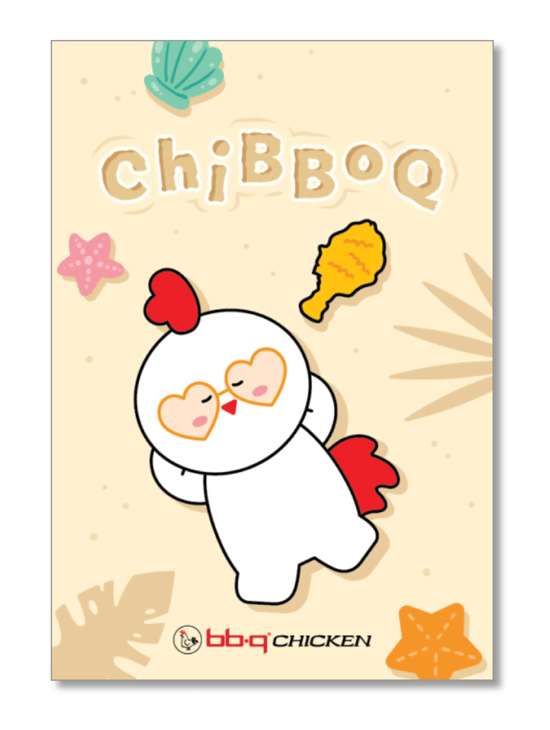
Phase 3 recently helped bb.q chicken apply that thinking as the restaurant brand brought its mascot, ChiBBoQ, to life through merchandise developed specifically for U.S. consumers.
bb.q Chicken: Bringing a Global Mascot to U.S. Consumers
bb.q Chicken originally came to Phase 3 for print work. As the relationship expanded into branded merchandise, bb.q chicken presented the team with a different kind of opportunity.
The Korean fried chicken chain is part of a large global brand based in South Korea. ChiBBoQ already appeared on merchandise in other countries. However, BB.Q USA wanted merchandise developed specifically for the U.S. market.
Their business goals went beyond individual product sales. They wanted the merchandise to build familiarity with ChiBBoQ and deepen fan engagement. It could also create a new retail opportunity for franchisees.
But the economics had to work. Customers had to want the products enough to buy them. Franchisees needed enough sales potential to stock them. BB.Q USA needed enough inventory to support the program without having large quantities of unsold merchandise.
Strong sell-through would generate immediate revenue. It would also give BB.Q USA evidence that further investment in U.S. merchandise made sense.
Rather than commit immediately to a large custom production run, Phase 3 and BB.Q started small.
Test the Idea Before Making the Investment
In summer 2025, BB.Q USA introduced a small assortment of keychains, T-shirts, tote bags, and notebooks at its Koreatown restaurant in New York.
The test answered a fundamental question:
How would U.S. consumers respond to ChiBBoQ?
The team watched how customers interacted with the merchandise. They tracked whether customers added items as impulse buys to a food order or came to the restaurant specifically for the merchandise. They also looked at buyer demographics and whether customers viewed the products as souvenirs or useful items.
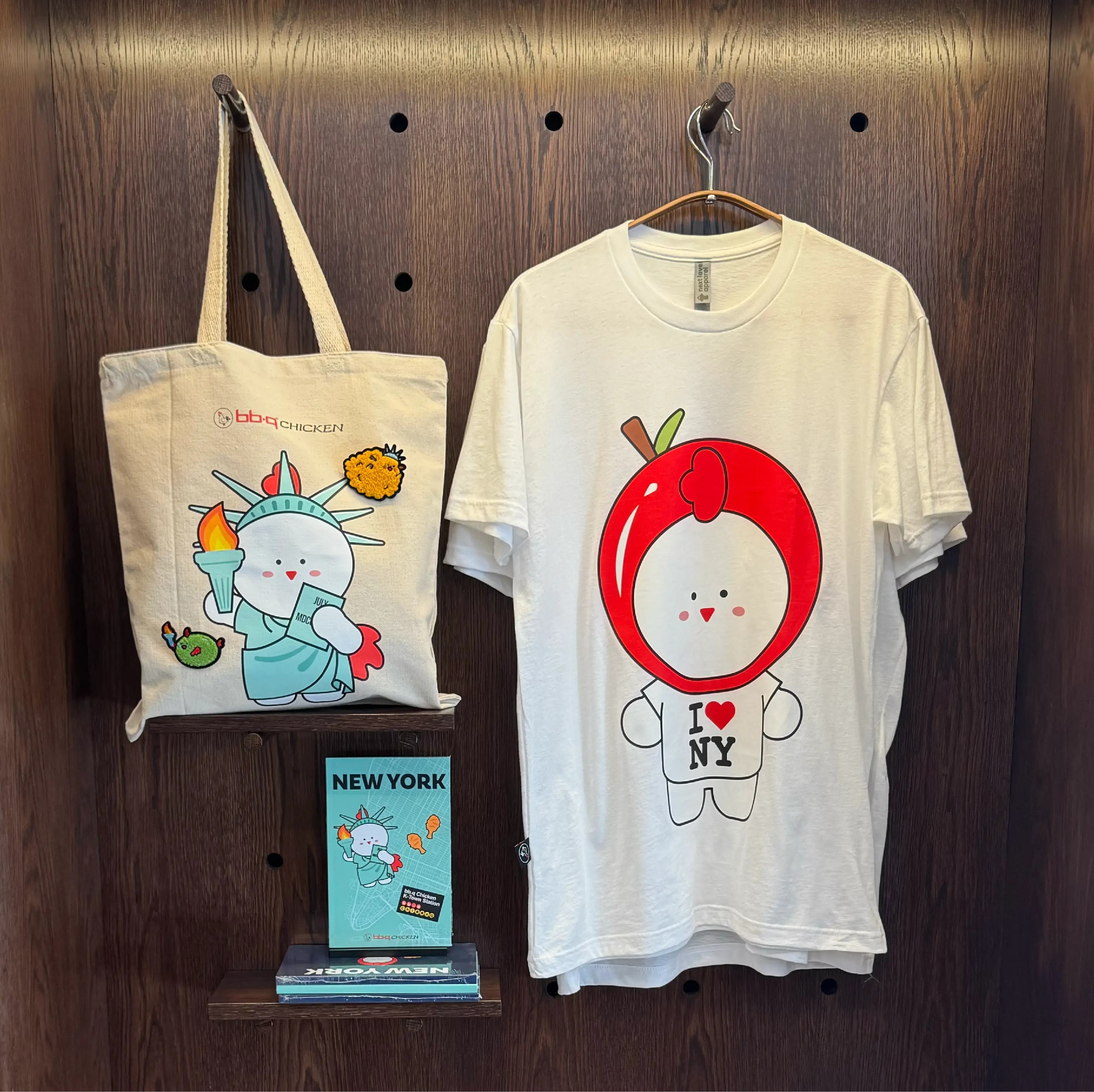
The test also revealed something useful about ChiBBoQ. Customers responded more positively when the mascot was doing something rather than appearing as a static character. That insight later helped inspire a summer-themed ChiBBoQ campaign.
Phase 3 also gained manufacturing insights. BB.Q USA’s signature red reproduced inconsistently across materials and products. This made color consistency a key challenge for future production.
The small test gave both teams real customer and production insights before they made a larger investment.
Start with the Experience, Not the Catalog
For the next phase, BB.Q USA was ready to go fully custom. Instead of starting with available promotional products, the team started with an occasion: summer and picnic season.
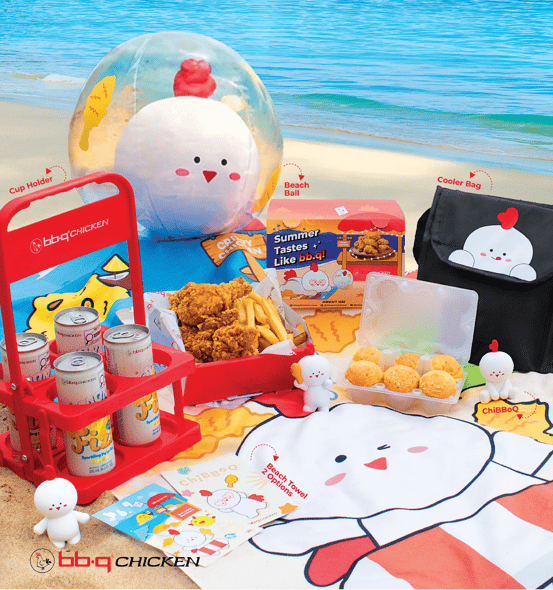
That made sense for the restaurant brand. Customers might pick up BB.Q’s Korean fried chicken and take it to a park, beach, or picnic. The team began considering products that naturally belonged in that experience.
Not every idea survived. For example, a custom chicken bucket seemed like a natural fit at first. But once the team considered how Korean fried chicken is served and how the product would need to function, the concept didn't make sense.
Eliminating an idea can be just as important as manufacturing one. Custom sourcing gives brands enormous creative freedom, but that doesn't mean they should make every possible product. The strongest concepts fit the brand and appeal to customers. They also have to work in real life.
The team decided to develop concepts for a custom drink holder, a beach and picnic towel, and a beach ball featuring ChiBBoQ engaged in summer activities.
A Rendering Isn't a Production Plan
Coming up with the idea is only the beginning. Phase 3 quickly designed a beach ball with ChiBBoQ's head inside it. Manufacturing an inflatable version that looked and worked as intended was a different challenge.
Custom products typically move through several testing stages. First, we produce blank samples for material and size approval. Then, fabricators build prototypes for engineering feasibility. Lastly, spec samples are created for final approval before production.
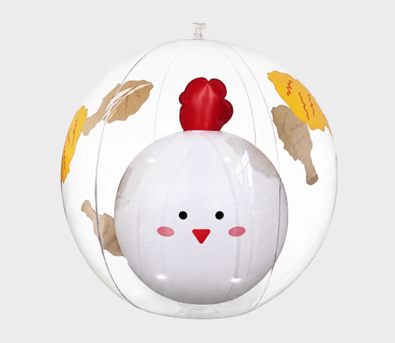
The ChiBBoQ beach ball went through three rounds of prototypes. In one, ChiBBoQ's crown was too large. The team had to determine how to reduce the crown without changing the character. They also had to work out how ChiBBoQ's head would physically sit inside a ball that inflated around it.
Each prototype answers questions a rendering can’t. This is the work consumers never see. They’ll only see a beach ball that looks fun and functions as expected. Reaching that point takes careful decisions about design and construction.
The Most Expensive Option Isn't Always the Right One
The beach towel presented a different challenge. BB.Q USA didn’t want to create a luxury terry towel you’d expect at a high-end hotel. It should, however, feel good and hold up to its intended use. In the end, it had to be a fun souvenir a customer might buy for a picnic or beach trip.
Price mattered, too. The team considered what customers would reasonably pay and set a target retail price of $50. That helped narrow the material choices before the towel moved into final production.
Retail product development involves tradeoffs like these. The right level of quality depends on how the customer will use the product and what they’re willing to pay.
Custom Doesn't Automatically Mean Overseas
Once we set the specifications, the next step is deciding where to produce each product.
Product sourcing experts know that there isn't one right answer. For BB.Q USA, Phase 3 evaluated both domestic and overseas manufacturers. Overseas production offered cost advantages, but mostly at high volumes. However, international freight can easily erase those savings on smaller orders.
For the towels, domestic manufacturing made more sense. We sourced other products overseas. The best sourcing strategy was to vary the manufacturing by product rather than forcing every item through the same supply chain.
Quantity Can Be Part of the Strategy
Minimum order quantities are a common challenge in custom sourcing. At the time of the summer campaign, BB.Q USA had roughly 250 U.S. franchise locations. In addition, individual franchisees could decide whether to sell the merchandise.
A large production run would’ve created unnecessary inventory risk. Phase 3 instead planned for fewer than 1,000 units of each product. The smaller runs reduced BB.Q USA's financial exposure. It also allowed the brand to position the products as limited editions.
The goal was to sell through the seasonal merchandise rather than carry excess inventory into the next season.
Quantity, then, functioned as both a manufacturing decision and a marketing strategy.
Design for the Place Where the Product Will be Sold
BB.Q USA also had to consider where customers would encounter the merchandise. Products would be sold online and inside participating restaurants. So, packaging and merchandising needed to work in both environments.
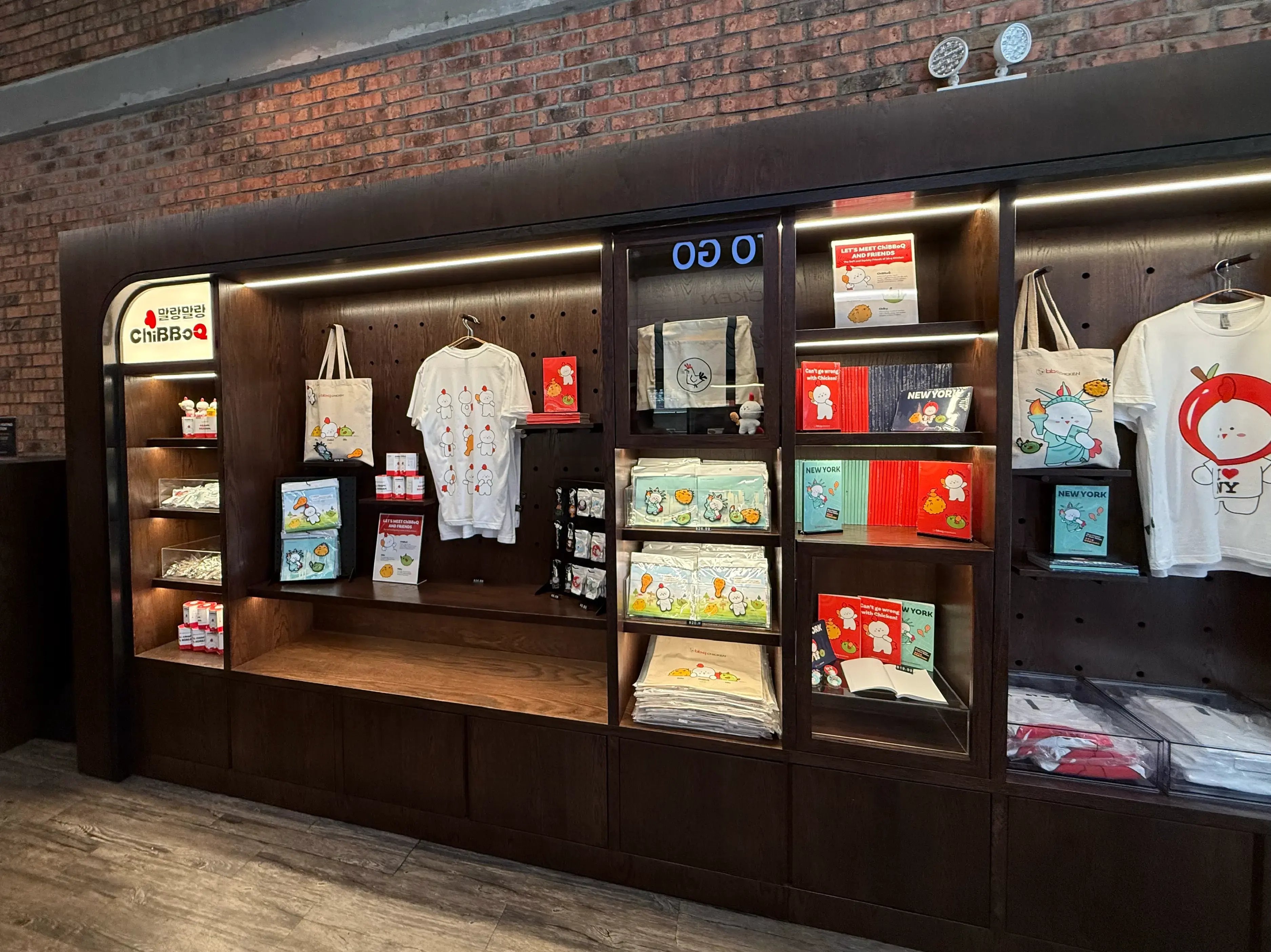
Restaurant size added another consideration. Some BB.Q locations are small quick-service restaurants; others have considerably more retail space. A display that works well in one may be impractical in another.
Early planning for the retail environment ensures effective product display, marketing, and sales.
Branded Merchandise Can Become a Retail Business
Custom merchandise doesn't have to be tied to a single campaign. Phase 3 also supports Norfolk Southern's public-facing company store, where railroad enthusiasts can buy branded merchandise.
The audience and products differ from BB.Q USA, but the business opportunity is similar. Customer interest can turn branded merchandise into an ongoing retail offering.
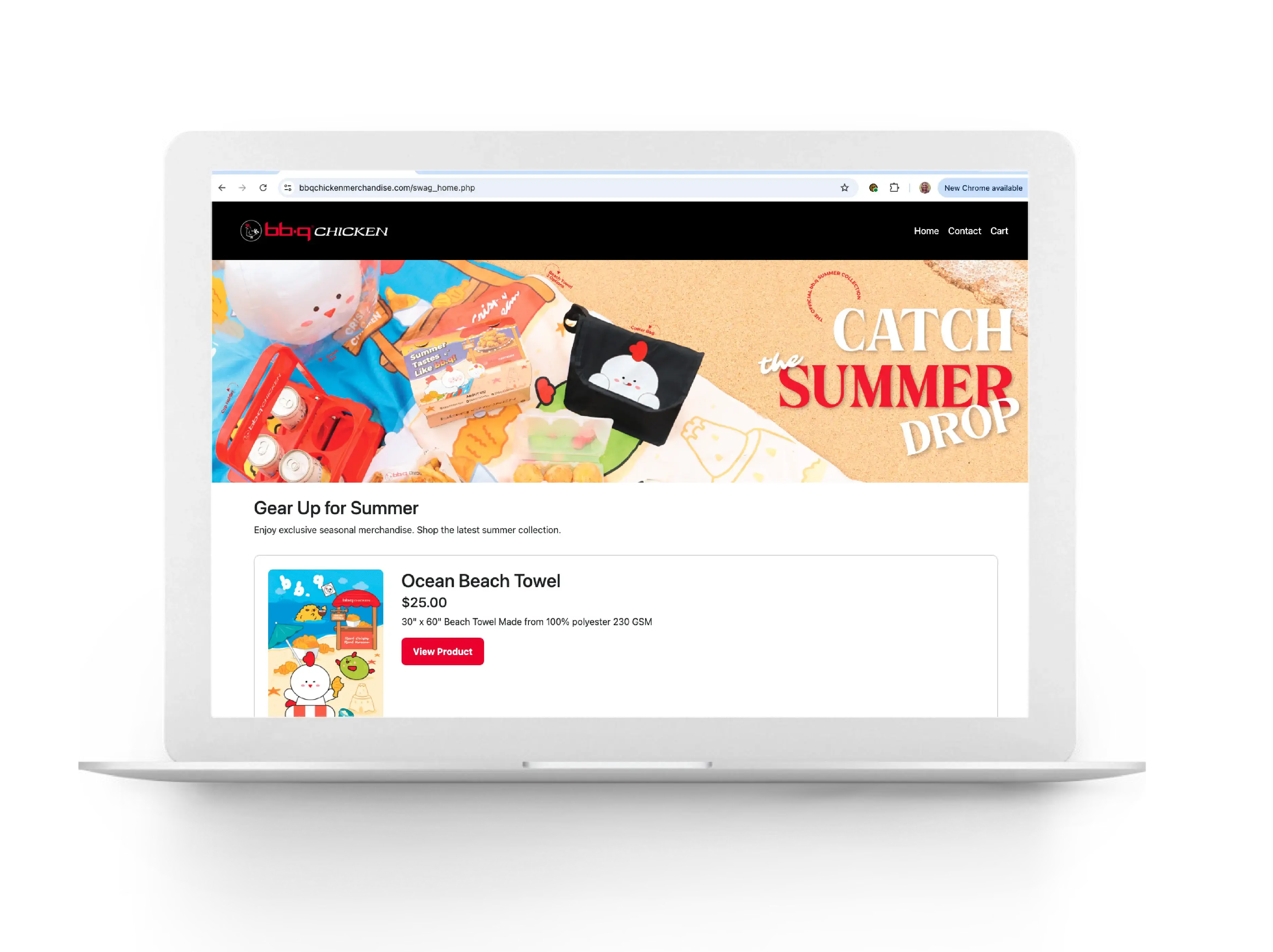
Supporting that kind of program requires infrastructure beyond product development. Phase 3 can source the merchandise, build and maintain the online storefront, and manage inventory. That gives brands a way to support sales beyond an initial product launch.
What Could Your Brand Create?
If you've searched a promotional products catalog and can't find something distinctive enough for your brand, start with the outcome you want the merchandise to achieve.
Consider who’ll buy or use the product, what’ll appeal to them, and how it can support your broader marketing objectives. These answers may lead to a customized existing product or a new design manufactured from the ground up.
Custom sourcing connects your creative idea to the business realities of product development. Customer demand and price influence production decisions. Material and fabrication needs, inventory, and the retail setting shape how an idea becomes a viable product.
When those decisions work together, branded merchandise can generate revenue and increase visibility. It can also give customers another way to engage with your brand. Your return can continue for as long as customers use, wear, or display the product.
Bringing the idea to market takes customer insight and product development expertise. It also requires sourcing knowledge and an understanding of how the merchandise will ultimately be sold.
The final product may appear effortless, but the work behind it is substantial.
If the branded merchandise you envision isn't in a catalog, Phase 3 can help you determine what it’ll take to bring it to life. Contact our branded merchandise team to start exploring the possibilities.