
Let’s start with an undeniable truth: retail has changed.
Today’s customers rarely follow a straight path from awareness to purchase. They discover products on TikTok or through conversations with friends. They actively compare reviews on Google, Yelp, and through influencers on social media. They look for sales in their email and text messages. They visit stores to try out products in person but then might actually buy them through apps or websites.
Retail competition now happens in seconds, not storefronts. Shoppers no longer separate the store, website, social media content, packaging, fulfillment process, and customer service into different experiences. To them, it’s all one brand.
That shift has fundamentally changed retail branding.
Consumers experience a retail brand long before they buy a product. Every interaction shapes perception. The physical environment, signage, messaging, packaging, digital platforms, and employee interactions all work together to influence whether people trust, remember, and return to a business.
The most successful retailers understand this. Their stores serve as immersive brand environments that encourage discovery, participation, and affinity.
Retailers like Ulta have evolved alongside changing customer expectations by blending digital personalization, experiential store design, creator content, and omnichannel shopping into a unified brand experience. Shoppers still instantly recognize the brand, even as the experience continues to evolve.
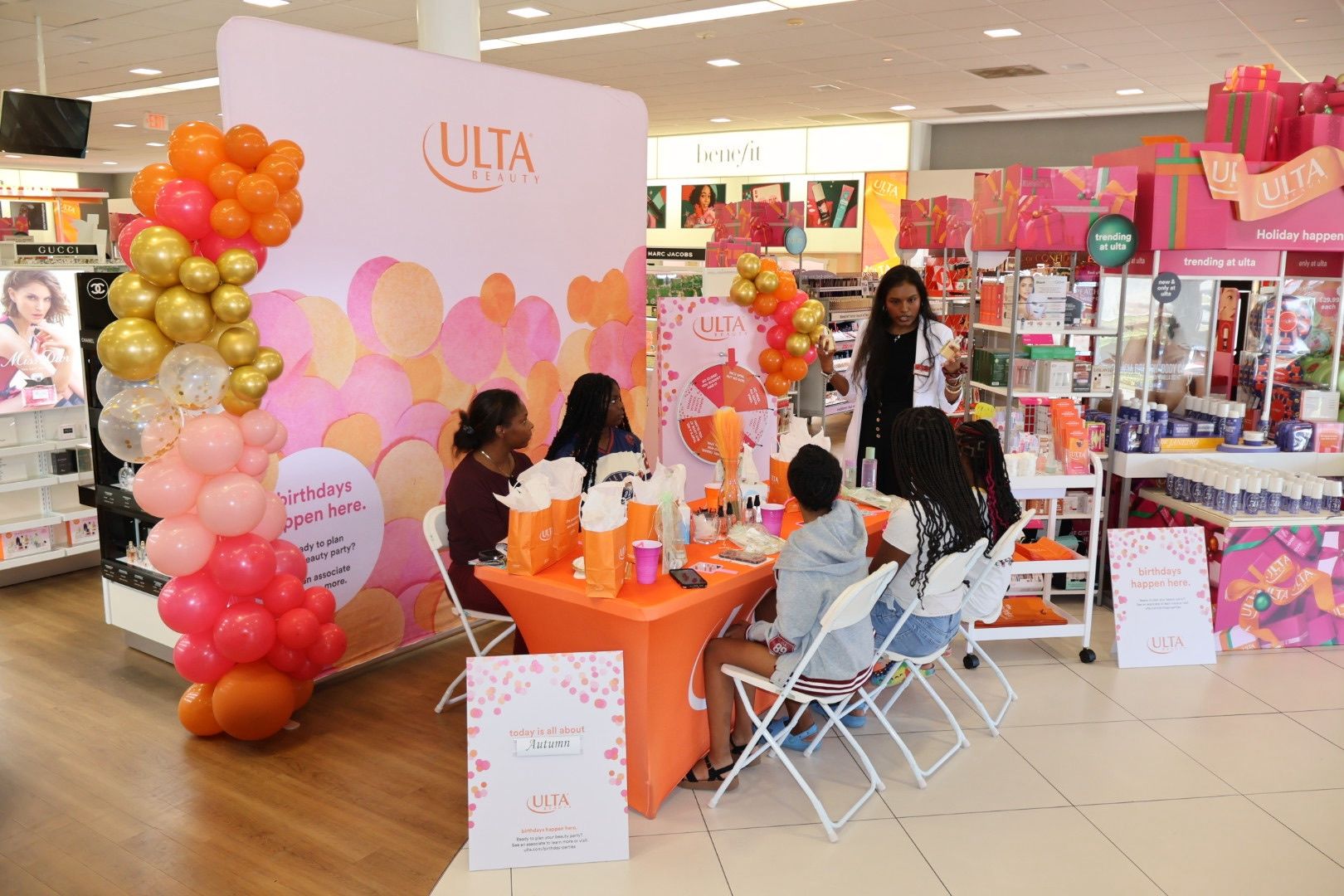
Other brands have followed similar paths. Apple stores function more like community hubs than product showrooms. Starbucks Reserve locations transform coffee into a sensory experience through architecture, sound, movement, and storytelling. REI reinforces its connection to adventure and community through workshops, events, and immersive retail environments.
Physical retail now competes on atmosphere, interaction, and memorability as much as inventory. Today, retailers need to deliver more than products. Shoppers expect memorable, relevant experiences worth returning for. That’s what branding is all about.
With these shifting dynamics in mind, this guide explores how modern retail branding shapes perception and provides actionable strategies for retailers to build stronger, more connected brands.
What is Retail Branding?
Retail branding is the process of shaping how people experience and perceive a retail business across every interaction.
That includes:
-
Visual identity
-
Store environments
-
Signage and displays
-
Packaging
-
E-commerce experiences
-
Social media content
-
Customer service
-
Product presentation
-
Events and activations
-
Fulfillment and delivery
An impactful retail brand ensures every touchpoint is consistent. Whether people encounter a brand online, in-store, or through marketing, each experience should feel connected and intentional.
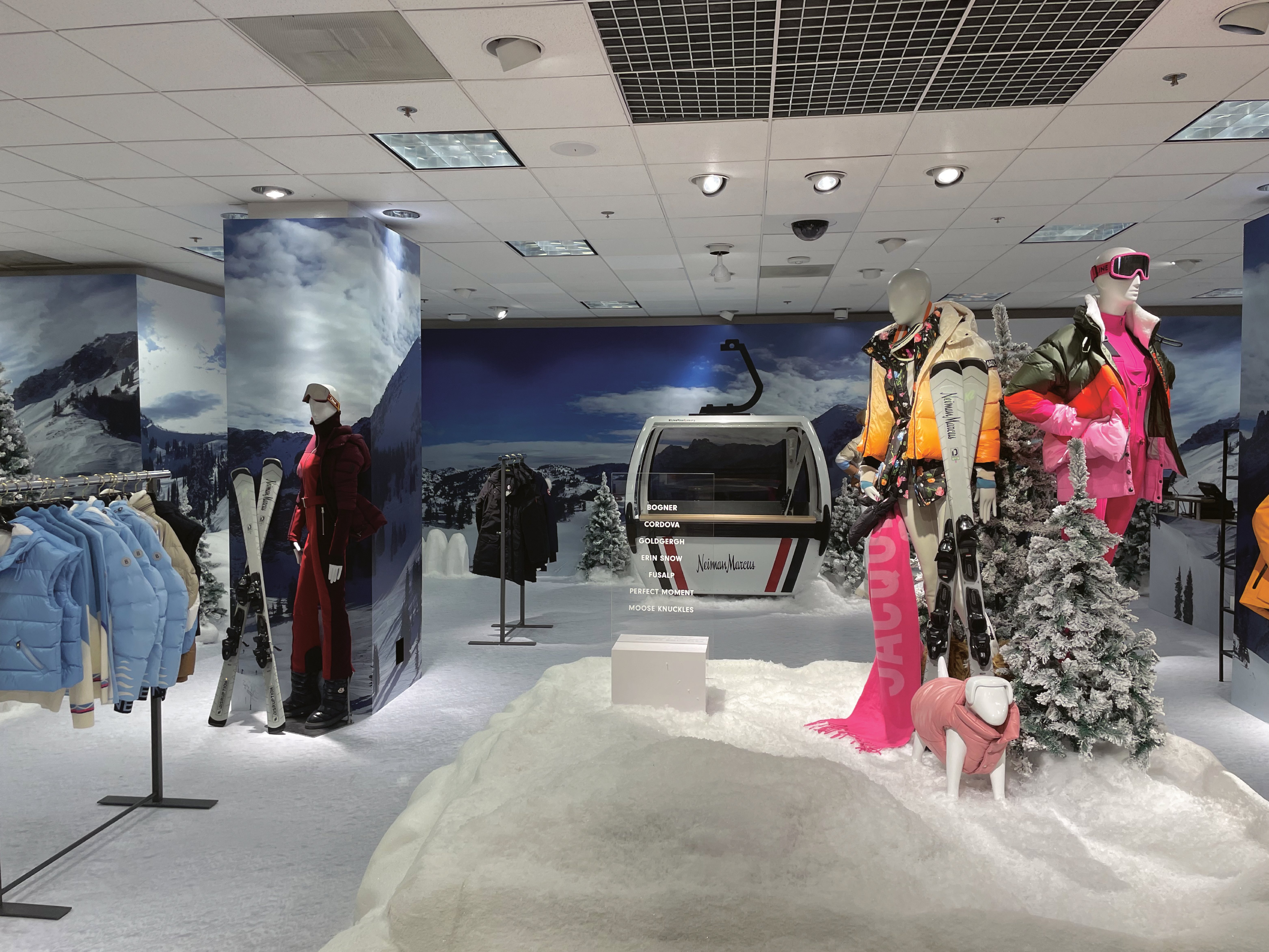
Consistency matters because many retail categories are similar in price, convenience, and selection. Branding is often what sets one experience apart.
Why Retail Branding Matters More Than Ever
Consumers can compare alternatives instantly without ever entering a store. Shoppers can and do switch brand loyalties often. That means retailers must compete on more than convenience or promotions.
Effective branding helps retailers cultivate familiarity, emotional resonance, perceived value, and loyalty.
Build Recognition
Consistent branding creates familiarity. Consumers immediately recognize certain retailers through visual cues, store environments, packaging, signage, or even tone of voice. That familiarity can sway buying choices even before customers check products or prices.
For example, consumers immediately recognize Trader Joe’s because of its handwritten signage, playful product names, and Hawaiian-shirt employee uniforms. The neighborhood-market atmosphere is consistent across locations.
Foster an Emotional Connection
Consumers support brands that reflect their identity, priorities, and lifestyle choices. Emotional alignment influences both loyalty and advocacy. Consumers are more likely to trust, recommend, and spend more with brands they feel personally connected to.
Patagonia promotes environmental responsibility in many ways. They focus on product design, messaging, activism, events, and their overall operations. Customers don’t simply buy apparel. They’re buying into a set of values that aligns with their own priorities and worldview.
Increase Loyalty
A study by Edelman revealed that 71% of consumers say that it’s important to trust the brands they buy. Trust is critical to creating brand loyalty. When consumers trust a brand, 67% are more likely to remain loyal and advocate for it. Loyalty now depends on more than points programs or discounts. Buyers stay loyal to brands that consistently deliver recognizable experiences across channels.
Ulta offers loyalty rewards and personalized recommendations. Customers enjoy in-store beauty experiences, tutorials, and digital tools. This creates an ecosystem that keeps them coming back, even after their initial purchase.
Differentiate in Crowded Markets
In many retail categories, products, pricing, and convenience have become interchangeable. Branding is often what makes one retailer feel distinct from another. A clear brand can be the compelling reason the target audience chooses a certain product over the alternatives.
Whole Foods differentiates itself through both products and store aesthetics. This includes merchandising, wellness-oriented messaging, and an environment designed to reinforce its premium-quality and lifestyle positioning.
Improve Customer Experience
Branding shapes expectations before consumers ever interact with the business. When retail settings, messaging, service, packaging, and digital experiences align, transactions feel more memorable and less like a sale.
That’s critically important for most consumers. 82% of consumers say a company is only as good as the service it provides. 87% of the consumers who give a company a “very good” experience rating are “very likely” to repurchase from that company.
Beyond purchasing, 79% say they often interact with brands in other ways. They might consume brand content, join events, connect on social media, or share feedback.
Target enhanced the shopper experience by updating customer service in a variety of ways. This included adding curbside pickup, mobile shopping, and cleaner store layouts. They also focused on localized merchandising and digital promotions. The result was a more coordinated retail ecosystem.
Strengthen Perceived Value
Strong branding changes how people interpret value. Consumers usually focus on the feelings, identity, and experience linked to a product. They consider these elements more than the item itself.
Apple reinforces premium positioning through minimalist packaging, product presentation, store design, and interaction. Every touchpoint boosts the overall perception of quality and innovation.
Support Omnichannel Expectations
Shoppers expect the brand experience to feel recognizable across physical stores, ecommerce, mobile apps, loyalty programs, AI-driven shopping tools, and social media channels. That consistent brand identity on every platform can increase revenues by up to 23%.
Nike blends membership programs, fitness apps, ecommerce, digital content, and immersive retail environments into one coordinated customer journey.
The Core Elements of a Powerful Retail Brand
Brand Positioning
Retail branding starts with positioning. Positioning defines how people perceive a brand relative to competitors. It defines what type of experience the target audience should expect. It should also accurately reflect the company’s mission and core values.
It answers questions like:
-
What does the brand stand for?
-
Who is the ideal customer?
-
Why should customers choose the brand?
-
What type of experience is the brand promising?
-
What is the competition?
Strong positioning creates clarity.
Consumers know what to expect when they encounter brands like:
-
Trader Joe’s positions itself around discovery and value.
-
Nike positions itself around inspiration and performance.
-
Ulta positions itself around inclusivity, accessibility, and beauty expertise.
Every branding decision should reinforce positioning. For more insight into brand positioning, please read this blog.
Brand Voice and Messaging
A brand’s voice and messaging are developed to reflect positioning and attract the target audience. Retailers should use their brand voice and messaging in all communications, both internal and external.
This could include:
-
Advertising campaigns
-
Marketing channels (website, social media)
-
Signage
-
Promotions
-
Product packaging
-
Customer service
-
Employee communications
-
Internal policies and procedures
It’s important to ensure that a brand’s voice and messaging are consistent and clear. The quickest way to turn off a consumer is to communicate with them in a way they’re not expecting.
JCPenney experienced an almost fatal disconnect when it aggressively shifted away from promotions and coupons during a major repositioning effort. The updated messaging conflicted with long-established customer expectations, creating confusion and weakening loyalty.
Retail messaging that stays relevant evolves carefully while maintaining continuity. For more insights into the importance of a clear brand narrative, please read this blog.
Visual Identity
Visual identity helps people recognize and remember a brand. It should communicate positioning in every physical and digital touchpoint.
This includes:
-
Logo
-
Typography
-
Iconography
-
Photography style
-
Packaging
-
Environmental graphics
-
Signage systems
-
Digital design
Strong visual systems create consistency while remaining flexible enough to adapt across environments.
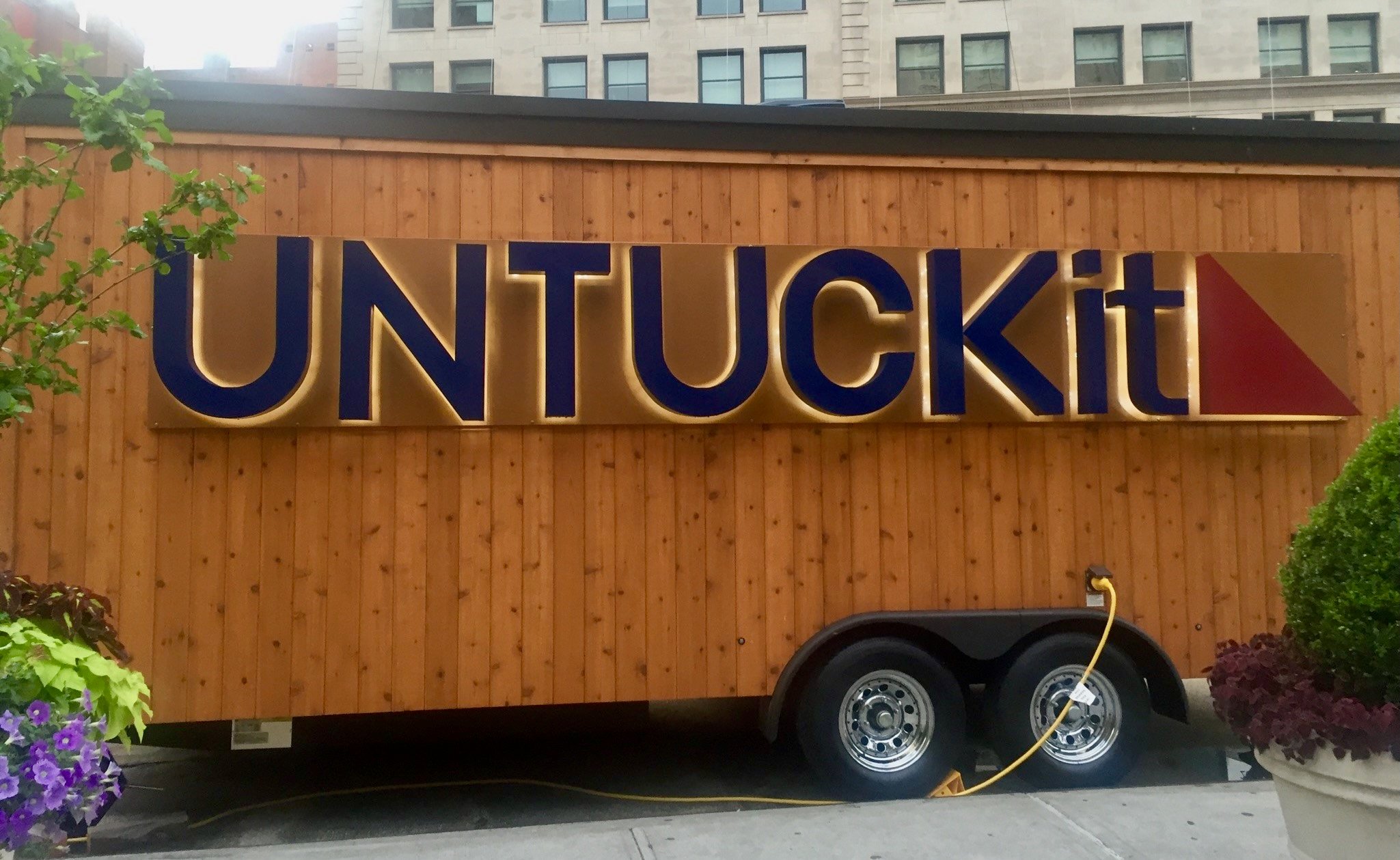
The best retail brands feel visually connected everywhere consumers encounter them.
In 2010, Gap rolled out a new logo without warning. Customers felt it was out of touch with the brand they knew and trusted. The backlash forced the company to reverse course within days.
In-Store Environment and Experience
The physical environment remains one of the most powerful retail branding tools. That’s because 82% of shoppers make buying decisions while in-store. 62% make impulse buys. This shows how the environment can influence buyer behavior.
Store environments influence:
-
Customer emotions
-
Shopping behavior
-
Perceived value
-
Dwell time
-
Purchase decisions
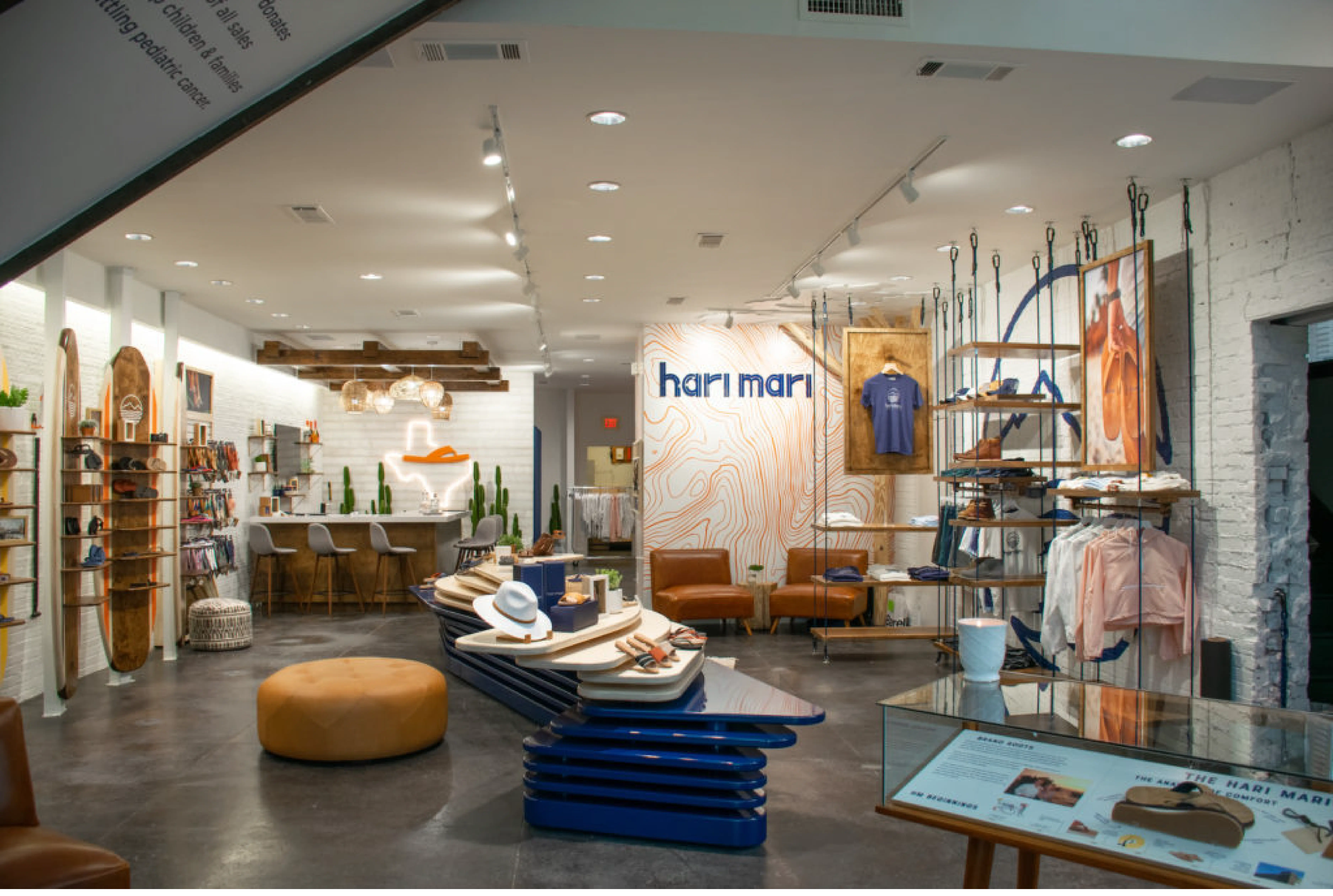
Retail branding includes sensory design elements like:
-
Lighting
-
Sound
-
Scent
-
Materials
-
Texture
-
Movement
-
Spatial pacing
Environmental branding can include:
-
Wall murals
-
Promotional signage
-
Point of sale signage
-
Interactive displays
-
Digital signage
-
Floor graphics
-
Pop-up experiences and events
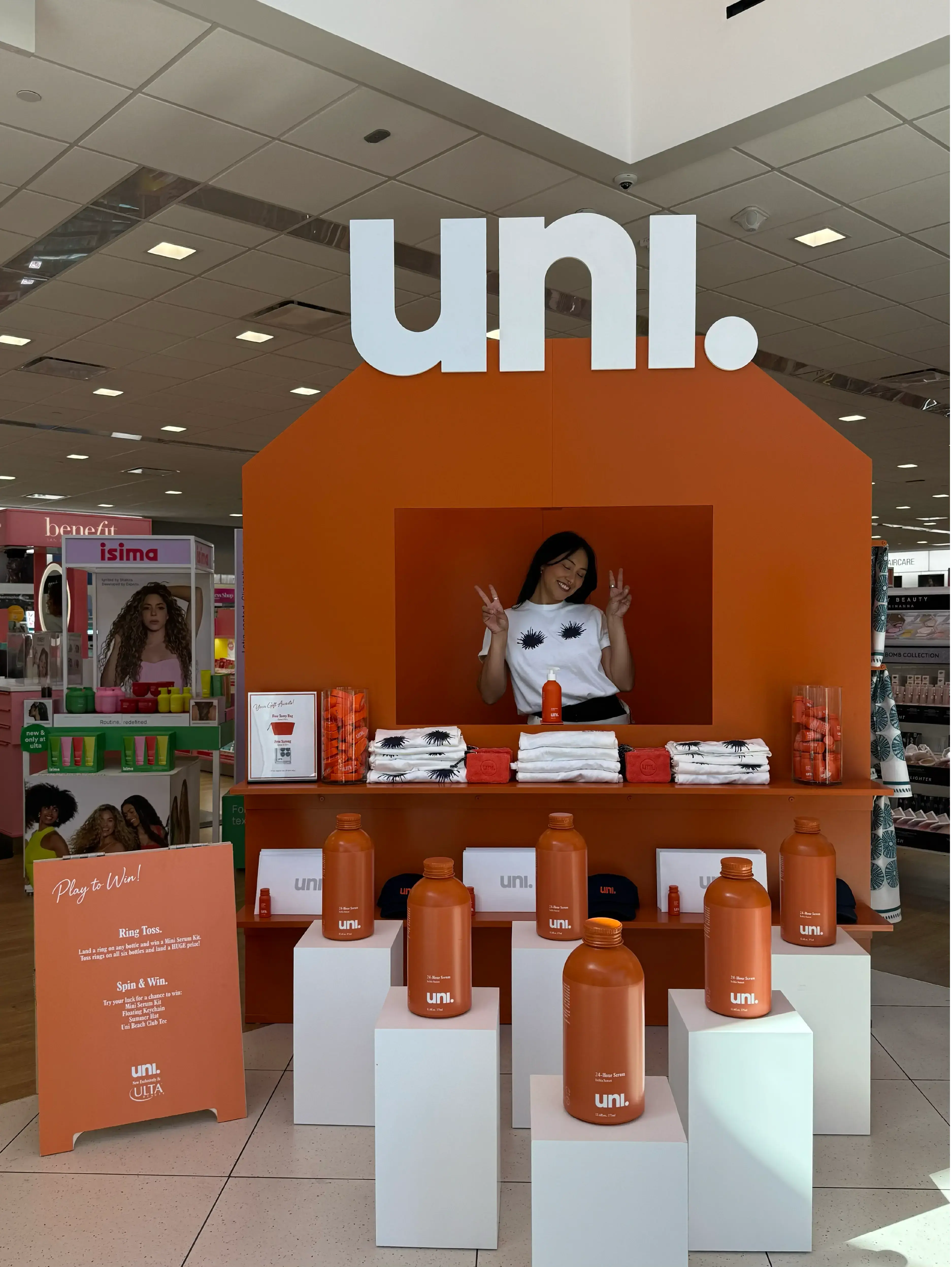
Impactful retail environments balance aesthetics with functionality. They guide shoppers naturally through the space while reinforcing the brand story.
Starbucks stores blend recognizable brand elements of dark green, rich wood, and the familiar logo with localized design details that reinforce warmth and familiarity.
Environmental branding has become extremely important as physical stores compete against digital convenience. For more insights into both traditional and digital retail signage, please read this blog.
Digital Brand Presence
Retail branding must extend beyond physical locations. Consumers expect seamless movement between digital and physical experiences. The experience should feel unified across every touchpoint.
Effective retail brands maintain consistency on:
-
Mobile apps
-
Email messaging
-
SMS text messaging
-
AI-driven shopping experiences and recommendation tools
-
Webinars and virtual events
Physical and digital retail experiences almost always overlap. Stores now serve as fulfillment hubs, media channels, content backdrops, and interactive brand spaces. Learn more about this in this article.
Packaging and Product Presentation
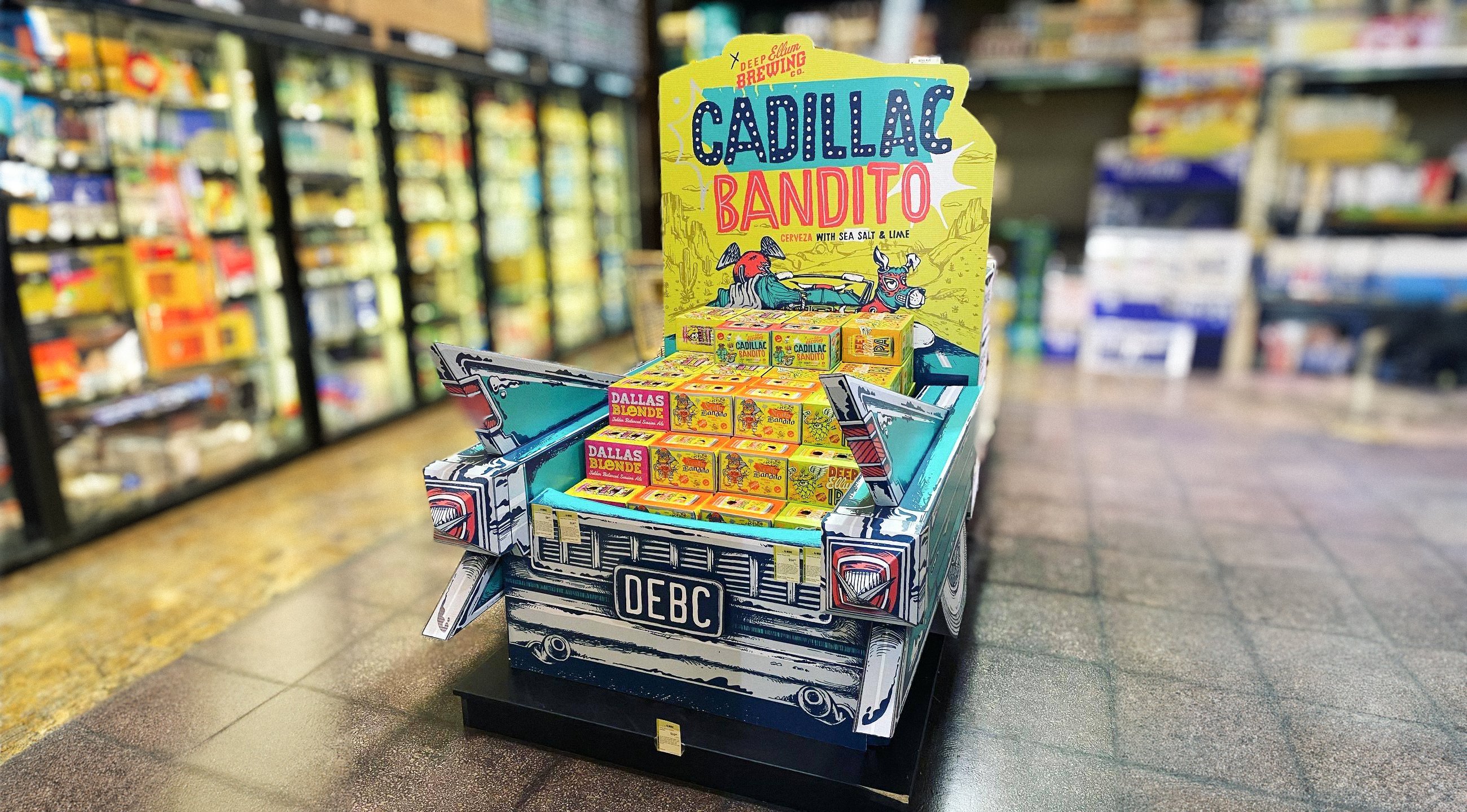
Packaging is usually the last touchpoint shoppers have with a brand. This makes it a strong factor in how they see the brand when they buy. It also reinforces how consumers interpret the brand’s quality, value, and personality long after they leave the store.
Retail packaging should:
-
Reflect the brand visually.
-
Feel intentional and cohesive.
-
Support functionality
-
Enhance the customer experience.
Packaging also extends the experience beyond checkout.
Liquid Death uses aggressive graphics and aluminum cans to transform ordinary water into a rebellious lifestyle statement.
Packaging functions as branding, storytelling, and shopper experience.
Community and Cultural Relevance
More and more, retail branding depends on participation in culture and community. Consumers want brands that feel applicable and authentic in real life. That means retail brands need to show up in places where their target audience lives, both in person and online.
That means that retail branding opportunities exist through:
-
Community event sponsorships
-
Social causes
-
Local collaborations
-
User-generated content
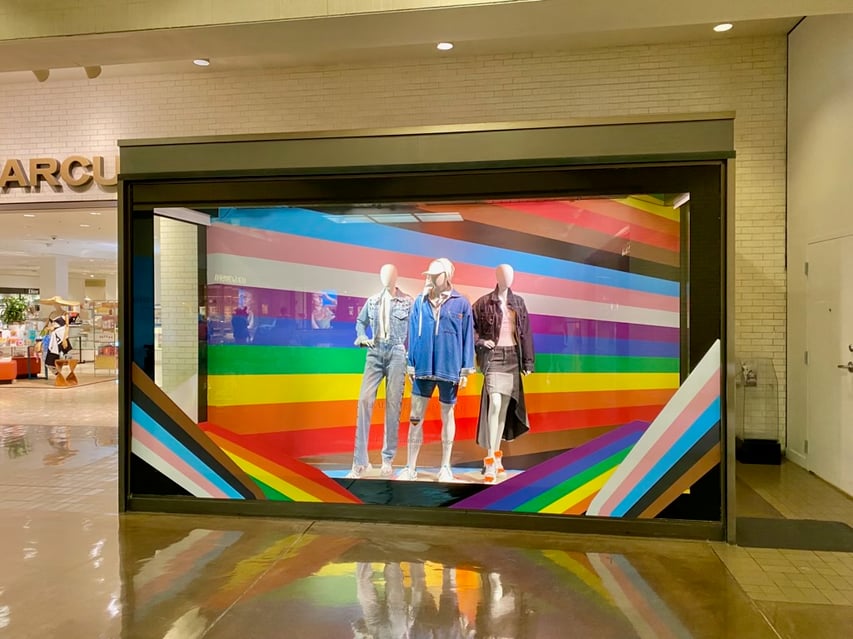
The strongest brands participate in ways that feel authentic to their identity.
Glossier grew significantly through community-driven content, creator participation, and highly shareable retail environments.
Common Retail Branding Mistakes
Prioritizing Trends Over Identity
Retail trends move fast. Resilient brands evolve carefully instead of abandoning their identity for every new trend. A brand should feel current without losing recognition.
Patagonia never chases fast-fashion trends. Instead, they develop products and promotions that align with their identity as an ecological brand.
Letting Channels Become Inconsistent
Customers notice inconsistencies quickly. Pricing, service, product quality, tone, and messaging should feel aligned across channels.
Levi Strauss & Co. has faced criticism over inconsistent fit, quality, and product standards across wholesale, outlet, and direct-to-consumer channels. This is due to the company’s use of multiple manufacturers to meet its global scale. Those inconsistencies have weakened trust and confidence in the brand.
Underinvesting in Physical Environments
Physical retail environments still matter because consumers evaluate brands through every sensory interaction. Poor signage, broken displays, inconsistent merchandising, and outdated messaging can weaken even strong retail brands. When physical spaces decline, customers see it as a sign of low quality. They think it reflects on a company's operational standards and business priorities.
Years of underinvestment in store conditions contributed significantly to the decline of Family Dollar and Bed Bath & Beyond. Cluttered layouts and inconsistent experiences damaged shopper perception.
Losing Credibility With Incorrect Brand Positioning
Strong branding feels aligned with what the business genuinely delivers. When retailers focus on aspirational brand ideas that don’t match their operations, they create credibility gaps.
For example, if Walmart suddenly redesigned stores with mood lighting, carpeted floors, and butlers serving drinks, the experience would conflict with consumer expectations around accessibility, efficiency, and value.
Starting with Execution Instead of Strategy
Even when retail leaders understand their brand’s positioning and audience, there’s still work to do before jumping into brand execution.
Many retailers rush into marketing campaigns, packaging changes, or store updates. They often skip the step of defining their overall brand strategy. They also fail to test how customers view their existing brand.
Execution without strategy breeds inconsistency. Read more about how to avoid this critical mistake here.
Scaling Withouts Systems
As retailers grow, maintaining consistency becomes more difficult.
Successful retail brands develop scalable systems for:
-
Brand governance
-
Asset management
-
Signage production
-
Marketing fulfillment
-
Store rollout consistency
Without these operational systems, even strong branding can become fragmented over time. Read more insights about evolving a brand as it grows here.
Building a More Impactful Retail Brand
Strong retail branding requires alignment between strategy, operations, creativity, and execution.
The best retail brands:
-
Understand their audience deeply.
-
Maintain recognizable experiences
-
Invest in physical and digital touchpoints.
-
Create emotionally resonant environments.
-
Evolve carefully over time.
-
Reinforce positioning consistently
Most importantly, they understand that branding isn’t a logo, website, tagline, or campaign. It’s the cumulative effect of every interaction.
Retail Branding Is Now Experience Branding
Retail branding has evolved far beyond logos and storefront signage. Today, customers evaluate brands based on their complete experience.
Every interaction matters, from the website and social content to packaging and store layout. Retailers that develop cohesive, memorable experiences cultivate deeper loyalty and sustainable long-term value.
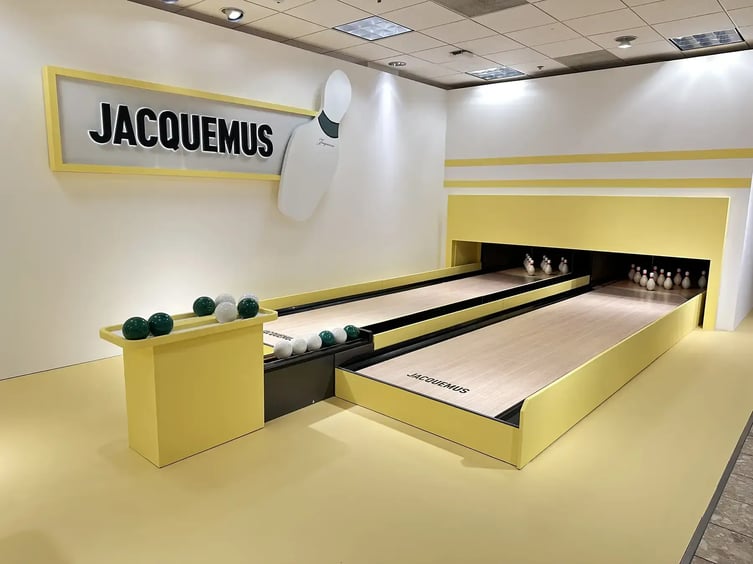
The brands winning today aren’t simply selling products. They are building environments and experiences that shoppers want to be part of.
Retail branding now requires more than isolated campaigns or disconnected touchpoints. It requires a coordinated experience that consumers recognize and trust across every interaction.
Why Retail Branding Requires the Right Partner
Modern retail branding often requires coordination across:
-
Marketing, PR, and advertising strategy
Phase 3 combines every one of these critical functions under one roof. Each expert team collaborates to ensure that a brand maintains consistency and clarity. The integrated approach also simplifies execution across locations, campaigns, and channels.
From environmental branding and retail displays to branded merchandise, pop-ups, signage, and fulfillment systems, Phase 3 can help you create connected experiences that strengthen brand loyalty and drive growth.
Schedule a discovery call today.