
Trade shows are one of the few places where buyers, prospects, partners, and competitors all gather in the same space. That creates a unique opportunity to influence purchasing decisions, build relationships, and increase visibility. Yet many exhibitors approach trade shows the same way: a branded backdrop, a bowl of giveaways, and a hope that enough people stop by.
The brands that generate the best trade show results understand that success rarely comes down to the booth itself. Instead, it comes from creating an experience that’s authentic, memorable, and valuable.
Many organizations measure trade show success through booth traffic and lead volume. While important, those metrics only tell part of the story. The strongest programs also create awareness, strengthen relationships, accelerate sales conversations, and reinforce brand perception.
The best results happen when brands see trade shows as part of a larger marketing campaign. That campaign starts before the event and continues after attendees go home.
Why Most Trade Show Marketing Gets Ignored
Think back to the last trade show you attended. Which booths do you remember? Chances are, they are the ones that delivered an experience that felt relevant, engaging, or valuable. That same pattern holds before, during, and after the event: memorable experiences tend to stick with people longer.
In most cases, trade show attendees collect brochures they'll never read. They grab giveaways they'll forget (or decide to leave) in their hotel room. They sit through presentations that blur together by the end of the day. They’ll leave business cards for door prizes with no intention of ever purchasing from the exhibitor.
This happens because many brands focus their energy on saying what they want to say to as many people as possible rather than saying what attendees will remember. Whether you're targeting retail decision-makers, IT procurement leaders, B2B distributors, franchisees, or channel partners, people remember experiences far longer than presentations.
Your goal should be to create a brand moment that attendees remember and want to share.
Create an Experience, Not a Booth
At industry events, standing out takes creativity and an understanding of human behavior.
People attend trade shows to solve problems, discover ideas, and make informed decisions. Activations that educate, entertain, or simplify complex information naturally attract attention because they align with those goals.
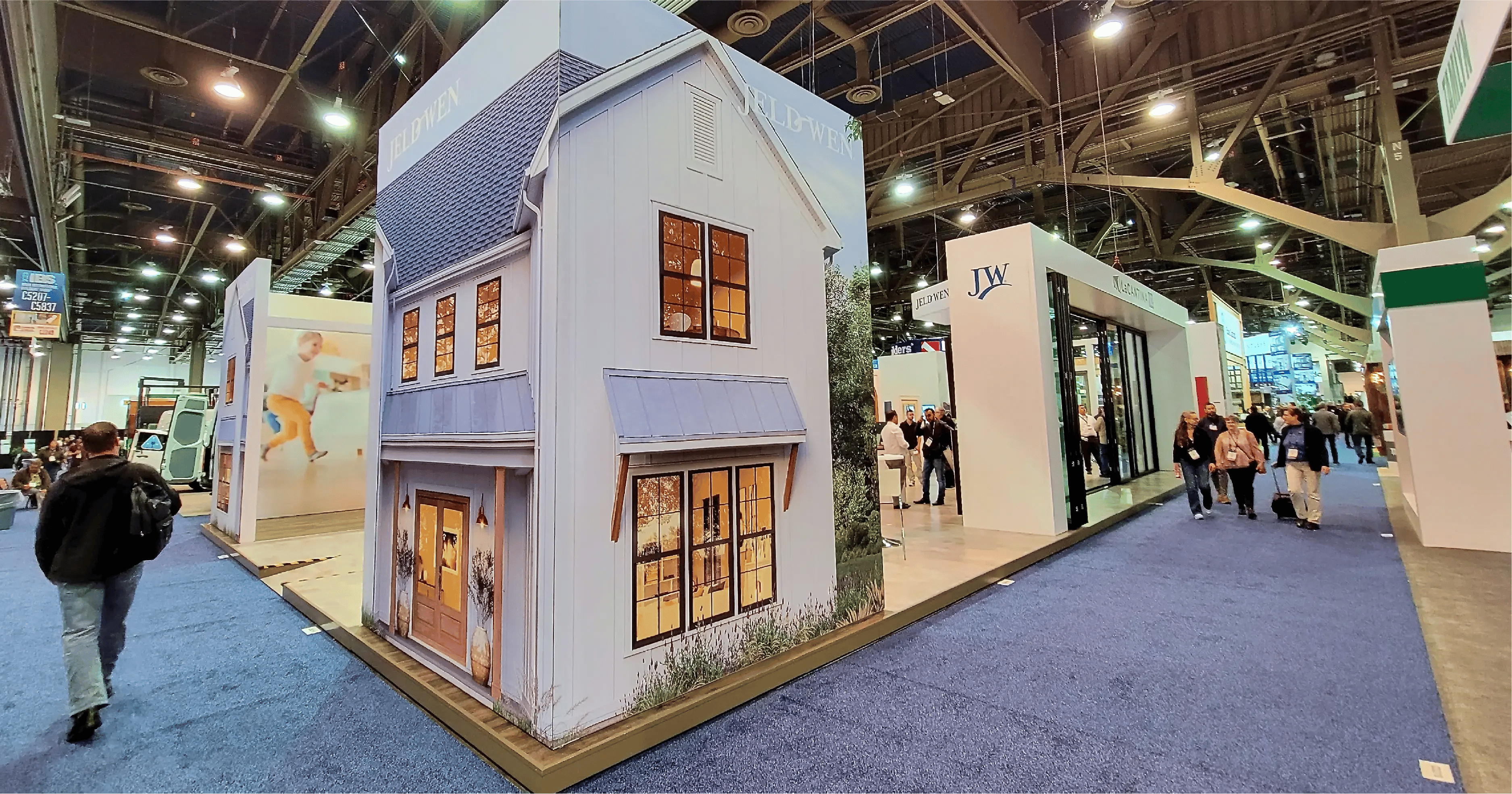
Trade show attendees are constantly filtering information. They move quickly from booth to booth, scanning for relevance while managing a packed schedule and constant distractions. Most decisions about whether to stop, engage, or walk past happen in seconds.
Successful exhibitors understand that people are drawn to experiences that arouse curiosity, invite participation, and tell a persuasive story. Attendees are more likely to remember a conversation or unexpected moment than a list of product features. Even more importantly, people will share the brand moments that are distinctive, entertaining, educational, or emotionally engaging.
Creativity becomes far more powerful when paired with these behavioral insights.
StorePoint Case Study
StorePoint Fashion presents a unique challenge for exhibitors. The event uses a boardroom-style format, with suppliers meeting retail decision-makers in a series of structured presentations. Every exhibitor has a limited amount of time to make an impression. Since each presentation is in the same-style meeting room, it’s easy for attendees to start blending them together in their memories.
Phase 3 approached the challenge from a different perspective. Instead of asking, "What do we want to tell attendees?" the team asked, "What will attendees remember?" That question kept the concept focused on a single takeaway around Phase 3’s event production capabilities.
The answer became a steampunk-inspired circus experience. The concept transformed a standard presentation into an immersive environment. It featured light shows, fortune tellers, costumes, branded merchandise, and interactive storytelling. The theme served as a strategic device to create curiosity, encourage conversation, and make the moment easier to remember.
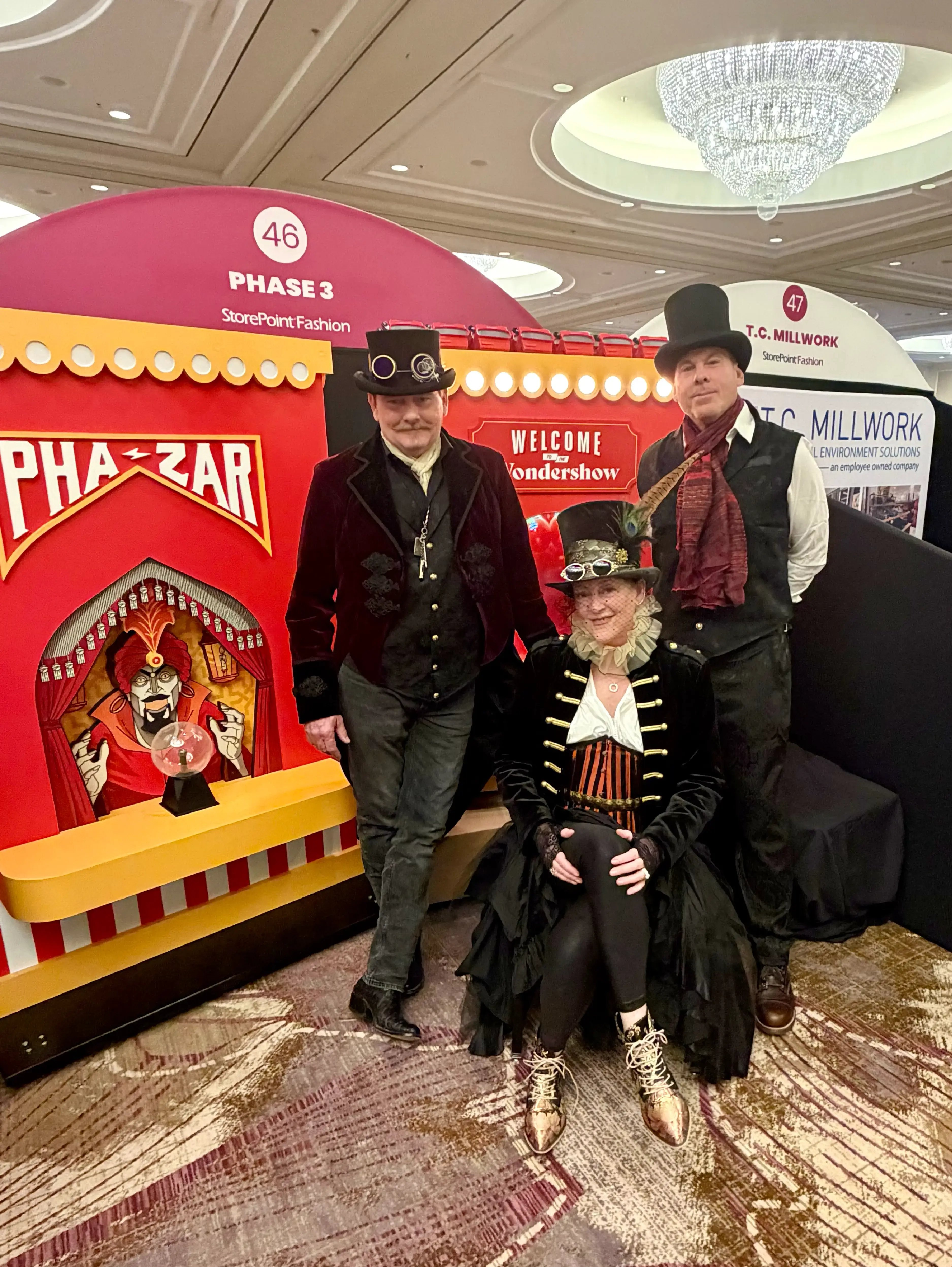
The activation offered multiple ways to engage, from visual spectacle and interactive elements to conversation and problem solving. As a result, the experience could appeal to a range of personalities and communication styles.
The presentation highlighted the company's capabilities. Creativity, fabrication, print production, branded merchandise, and strategic thinking all came together in a single cohesive story. Rather than presenting a list of services, the experience demonstrated those services in action.
The result was exactly what every exhibitor hopes to achieve at a trade show: attendees remembered the activation, talked about it with others, and associated that memorable moment with the Phase 3 brand.
Applying the Experiential Concept Across Industries
Almost any brand in any industry can adapt this strategy at a trade show or event, including:
-
A healthcare company might create an instructional environment that clarifies complex information.
-
A manufacturer might build an interactive product demonstration.
-
A consumer brand might create a participatory experience that lets attendees try out the products.
-
A technology company might build immersive environments that help visitors visualize future possibilities.
People will forget the slide deck. But, they won’t forget a brand moment that made them feel something or gave them a story to tell.
Clean Your Data Before You Move It
Successful exhibitors view the actual event as the midpoint of their marketing campaign. There’s plenty to do beforehand, since attendees often decide whom they'll meet with long before they arrive. Audience reach and interaction should begin weeks in advance, with these pre-event marketing strategies:
Appointment Setting
Give attendees a reason to schedule time with your team before they arrive. Offer something of value, such as a personalized demo, exclusive insights, or a premium branded gift. Focus on the value you’re offering rather than a sales pitch.
Teaser Campaigns
Build anticipation through email, social media, direct mail, or digital advertising. In these messages, share sneak peeks of the event experience and offer an easy way to schedule an appointment. Tease event discounts and giveaways. Share a hashtag so social media followers can keep track of your event plans.
Public Relations and Thought Leadership
Executive quotes and brand information in earned media and industry publications create awareness before attendees walk onto the show floor. Thought leadership through speaking opportunities or executive blogs and posts is also an effective way to create value and boost event visibility.
Event-Specific Digital Advertising
Invest in digital advertising that targets attendees visiting the event’s website, app, and social media. In addition, geofencing campaigns can target attendees around the event location before and during the event. Include highly relevant messaging that directs attendees to your presentations, demonstrations, or booth. Read more about digital marketing strategies and channels here.
The trade show shouldn’t be your entire campaign; it should be the centerpiece. Success starts weeks before attendees walk through the doors. When people arrive at an event already familiar with your brand, conversations tend to be more productive.
Build a Platform You Can Reuse
One of the most overlooked trade show strategies is building a campaign platform that can evolve over time. There's no need to start from scratch every time you decide to attend a trade show. This approach consumes too much time, budget, and creative resources.
Once you've created a successful trade show platform, continue refining and adapting it for multiple events. A good central concept can be adapted to different audiences, venues, and event formats. Themed environments, messaging platforms, environmental graphics, presentation frameworks, modular booth signage and displays, and promotional items can all be modified and expanded as needed.
The steampunk-themed StorePoint experience is a good example. Before bringing the concept to StorePoint, the team tested and refined elements of the activation during the 2025 Delta Air Lines Global Open House & Vendor Expo. That opportunity allowed the team to test ideas and evaluate attendee engagement. The process helped create a flexible framework that adapts to different environments while remaining consistent with story and interactions.
The most impactful trade show programs are designed to scale. Build a campaign platform that can evolve for multiple events rather than creating a completely new experience each time.
Choose Swag People Actually Want
Trade show attendees travel with limited luggage space. Many attendees leave promotional items behind in hotel rooms, conference centers, or airport trash bins.
That creates an important question for every brand exhibitor when ordering branded giveaways: Will someone actually keep this?
The most effective branded merchandise is useful and relevant to the event audience. They should:
-
Solve a real problem.
-
Support personal or work needs.
-
Reflect the event theme.
-
Connect to a brand story.
-
Deliver lasting value
At the 2025 StorePoint travel-themed activation, travel kits, branded passports, and airline-themed snacks extended the story beyond the presentation itself.
Thoughtful merchandise that speaks to the intended audience often creates more lasting impressions than expensive giveaways. When it does, it’ll continue reinforcing positive event memories and your brand every day, even after attendees return home.
Extend the Experience Beyond the Booth
Even while in-person, trade show attendees expect a seamless experience between physical and digital environments. Your marketing strategy should do the same. Digital tactics can expand your brand’s reach before, during, and after the event.
During the event, we recommend that brands include:
-
Geofencing campaigns targeting attendees near the venue
-
Event-specific landing pages
-
Social media content from the show floor
-
Video recaps and interviews
-
QR-enabled engagement
-
Interactive content and demonstrations
These strategies help brands stay visible even when attendees are not physically at the booth. The trade show floor becomes one touchpoint within a larger ecosystem.
The Follow-Up Is Where Brands Drive Results
You may invest months preparing for one trade show. Then the event ends. Your sales team uploads the leads into your CRM and sends a generic thank-you email.
What happens next? For many brands, nothing happens. The momentum the team built during the event has disappeared.
This is where many brands miss the greatest opportunity trade shows create. Events enable meaningful one-on-one conversations that build trust, improve recall, and strengthen relationships. However, even the strongest in-person interaction requires thoughtful follow-up to keep the conversation moving forward.
Trade show investments require months of planning and significant resources, but their value is often determined by what happens in the weeks that follow.
Here are some effective post-event engagement strategies to consider.
Personalized Outreach
Reach out to each lead via email or text, mentioning the conversations you had about their challenges and goals during the event. Provide solutions or valuable information as a follow-up to the conversation.
Relevant Content
Create a drip campaign for each lead. Share case studies, research, videos, or resources that focus on their interests and concerns. In each communication, provide an easy way to contact you for demos, samples, and more information.
Direct Mail and Branded Merchandise
Sending thoughtful follow-up packages through the mail can also help reinforce conversations and create another memorable touchpoint.
Ongoing Visibility
Don’t forget to continue engaging digital leads and followers through social media, thought leadership, webinars, and industry content.
For many prospects, the trade show is the first introduction to your brand. You must nurture and build an ongoing customer relationship.
A Great Trade Show Experience Creates Momentum
The most successful brands leveraging trade shows never rely on booth size, showy exhibits, or expensive giveaways. Instead, they focus on creating experiences people remember.
They do this by understanding what attracts attention and encourages engagement. Then, they create experiences that spark productive conversations and memorable interactions.
When companies integrate trade shows into a larger marketing strategy, they deliver far more than booth traffic and lead volume. They create opportunities to shape perceptions, strengthen relationships, accelerate sales conversations, and generate momentum that carries forward long after the event.
Create an Experience Worth Talking About
Attendees may visit dozens of booths during a trade show. The brand moments they remember are the ones that spark curiosity, create meaningful interactions, and give them a story to share. From pre-show marketing and environmental design to branded merchandise, fabrication, installation, and post-event engagement, every detail contributes to the experience.
Planning a trade show, conference, or industry event? Contact Phase 3 to start building an activation your audience will remember.