
Every construction site attracts attention. It doesn’t matter if it’s a new office, a mall update, a factory makeover, or a major infrastructure project. People notice the activity and wonder what’s behind the fence.
As a developer or property owner, you might see construction site signs mainly as safety barriers. But these temporary structures also offer a valuable chance to promote your business.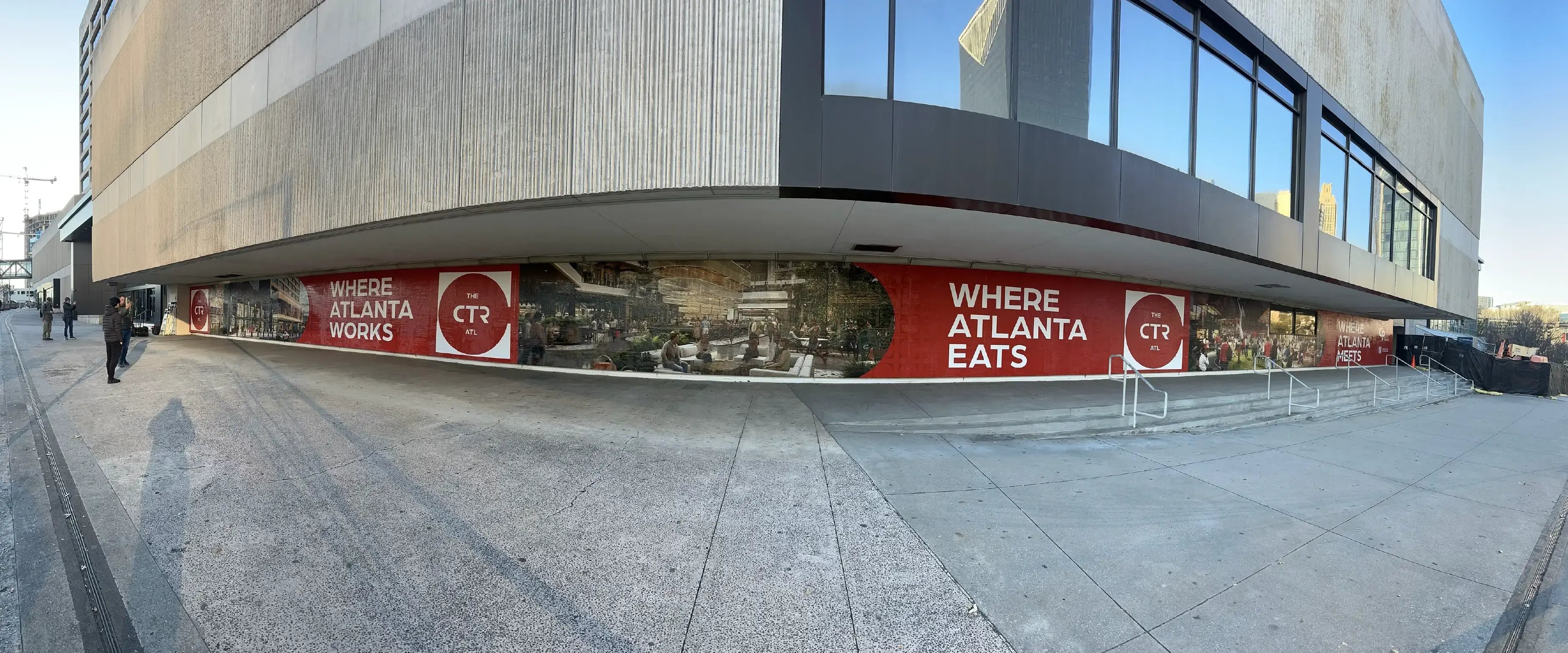
Strategic messaging and eye-catching graphics can make your construction signage engaging. It can also elevate your brand and keep the surrounding community informed.
Why Construction Site Signage Is More Than a Temporary Covering
The purpose of your construction signage messaging depends on the project and the audience you want to reach. Your signs can be one part of a larger project marketing campaign.
For example, a multifamily development project could showcase future residences and amenities. A shopping center renovation could announce new retailers. A manufacturing facility expansion may highlight the company's investment in the community.
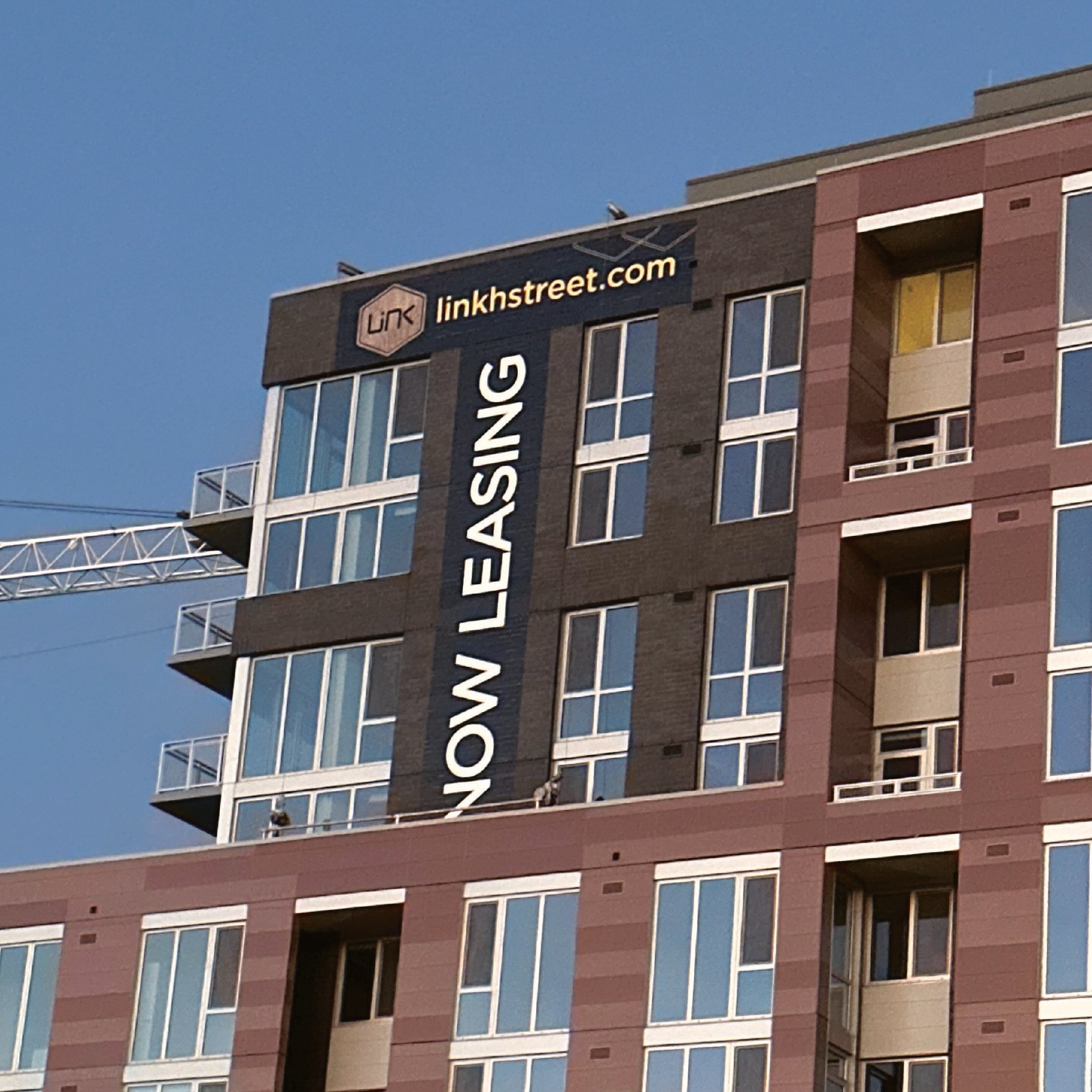
Each application calls for deliberate messaging and design decisions. Consider which details matter to your audience and what you want them to do after seeing the signage.
Your graphics should also follow your company’s brand standards and support the marketing campaign. Make sure the colors, imagery, typography, and messaging match other campaign communications.
What Counts as Construction Site Signage?
For this article, construction site signage refers to temporary graphics used to identify and promote a project. These are separate from required safety signs and regulatory notices, which have their own requirements.
Three common formats are fence graphics, hoarding graphics, and barricade graphics. Each serves a different purpose and requires its own production considerations.
Construction Fence Graphics, Wraps and Banners
Temporary perimeter fencing is installed around a construction site's outer boundary. It secures the property and restricts unauthorized access. It also provides a highly visible space to promote a project to passing drivers.
Most construction sites use temporary chain-link fence panels. Graphics can appear on individual fence sections or extend across multiple panels to create a larger visual display.
Mesh banners let air pass through, which can be useful in exposed locations. You can also choose solid vinyl, which offers greater opacity and more vivid images. Select the right substrate option based on exposure, fence structure, and attachment requirements.
Construction Hoarding Graphics
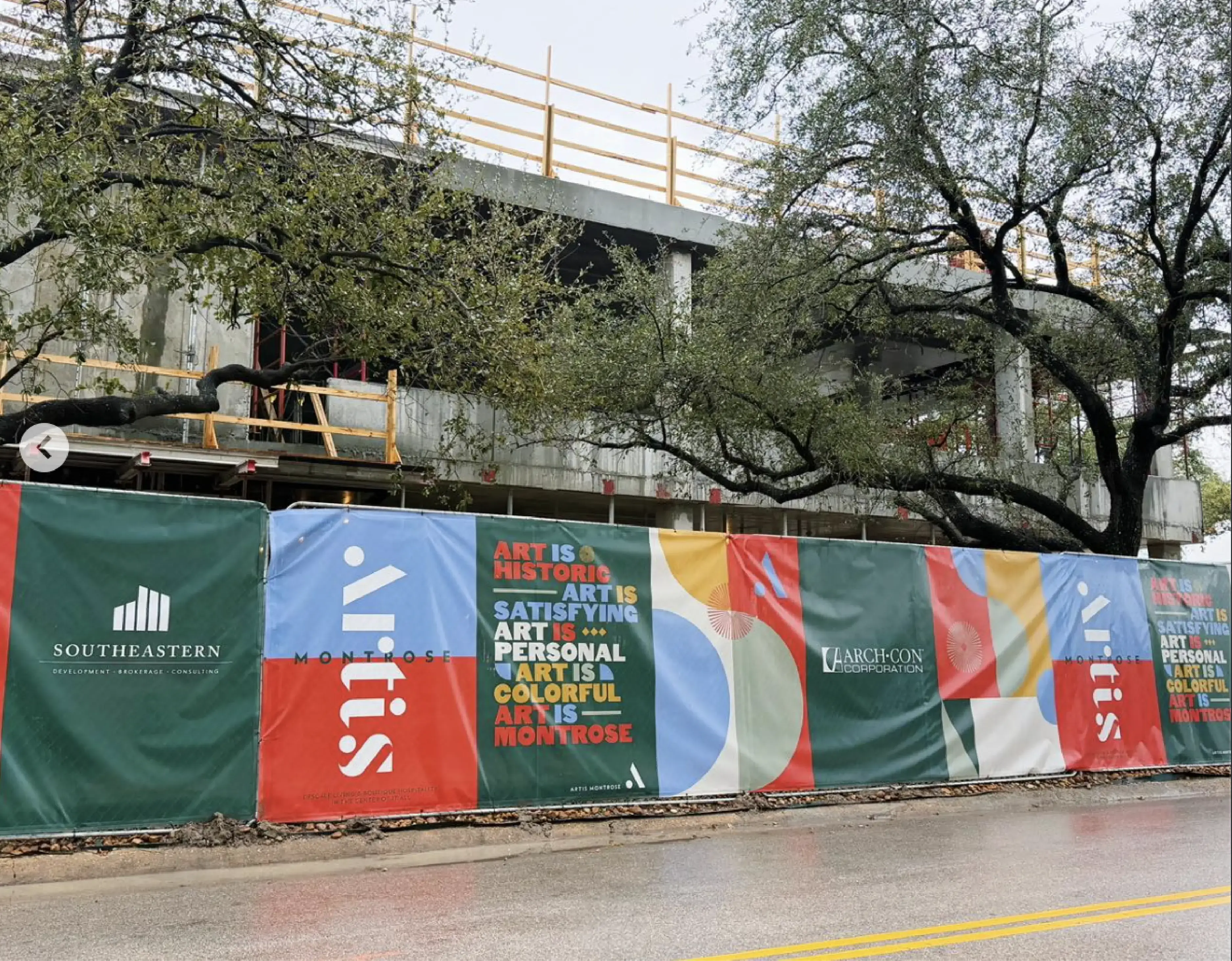
Hoarding is a solid temporary wall separating a construction site from sidewalks, driveways, and public areas. Builders make these walls from plywood or modular plastic panels. Unlike open fencing, hoarding provides a continuous solid surface for large-scale storytelling.
Use the larger space to create an engaging visual experience for pedestrians. You can produce hoarding graphics by printing directly on rigid panels or by applying heavy-duty adhesive vinyl to plywood. Material selection depends on the underlying surface and installation conditions.
Make sure your design accounts for gates, corners, and seams. Protective finishes may be appropriate for installations exposed to weather or frequent contact.
Construction Barricade Graphics
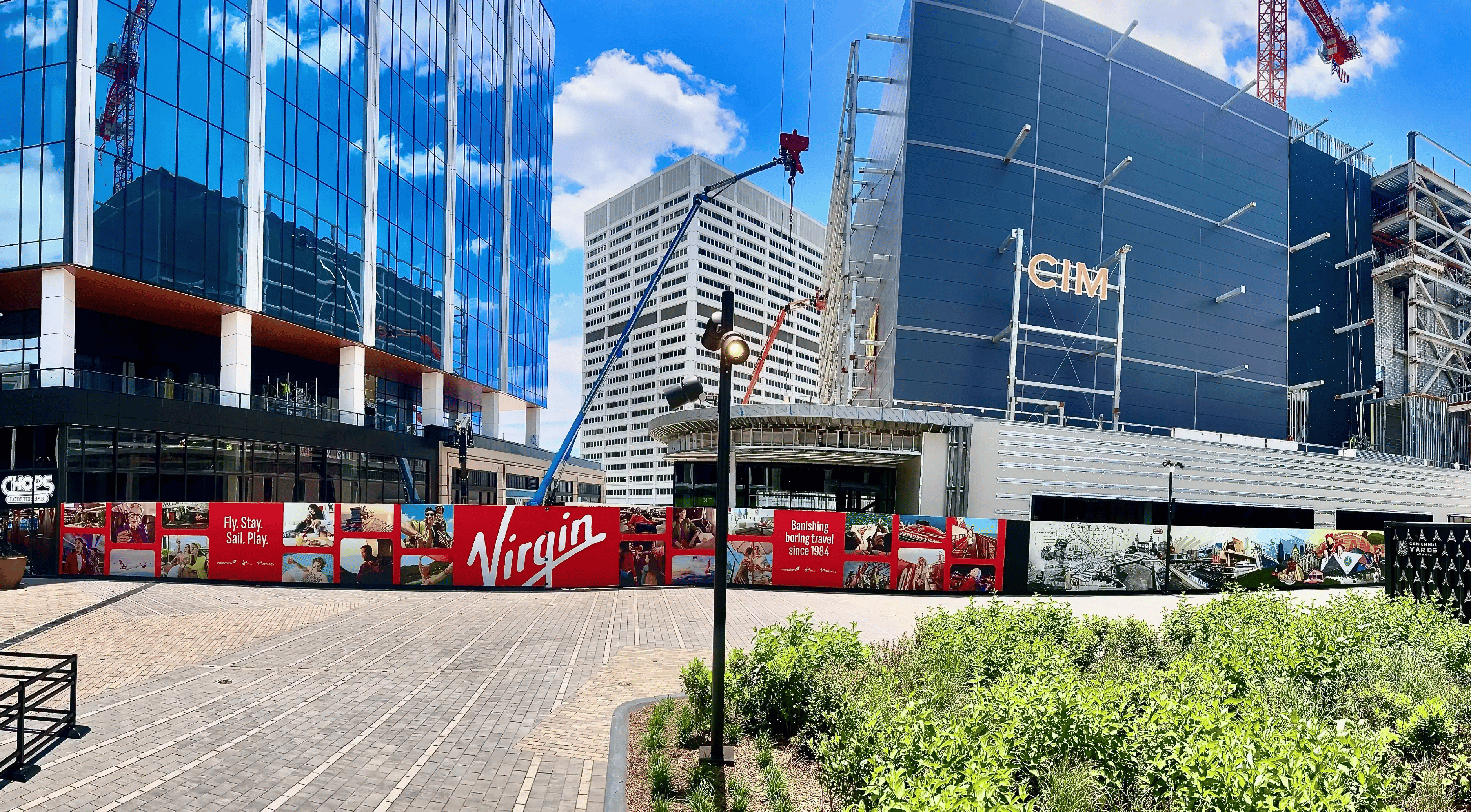
Barricades are temporary enclosures you might see in retail centers and office buildings. They separate active construction areas from public spaces where people walk by or gather. For example, in a mall you may see a barricade in front of an empty retail store as it’s renovated for a new tenant.
Branded barricades can promote upcoming tenants, openings, or property improvements. Because viewers are often close to these barriers, the graphics can carry more detailed storytelling. Common production options include adhesive vinyl, printed panels, and modular systems.
Comparing Construction Site Signage Options
| Format | Typical Surface | Best Use | Common Material Consideration |
| Fence graphics, wraps or banners | Chain-link fencing | Project awareness and messages visible from the street | Mesh or solid vinyl; account for wind and attachment requirements |
| Hoarding graphics | Solid perimeter walls | Large renderings and detailed pedestrian-facing content | Rigid panels or adhesive graphics; consider seams and protective finishes |
| Barricade graphics | Temporary enclosures | Retail renovations and active environments | Durable vinyl or panels suited to foot traffic and cleaning |
What Should Construction Graphics Communicate?
A construction perimeter may offer hundreds of feet of advertising space. Using that space effectively requires strategy.
The most useful content depends on your audience and the project's marketing goals.
For a new apartment community, the priority might be attracting prospective residents to a sales page. A retail development project may want to build interest among future shoppers while announcing confirmed tenants.
Select content that supports your goals. You might want to showcase architectural renderings and future amenities. You could promote your confirmed tenants and project partners. Or highlight the project benefits to the local community.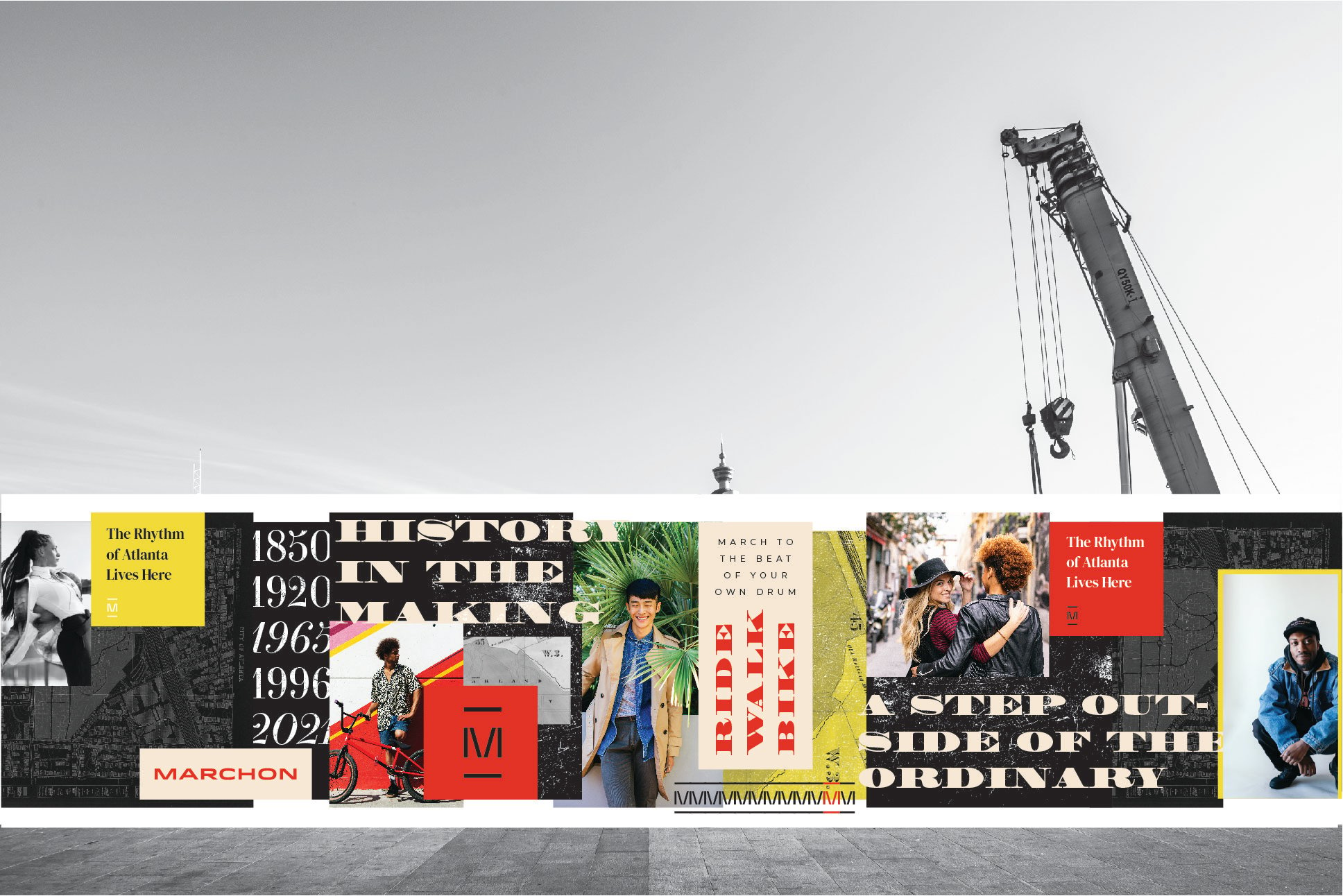
Make your primary message easy to recognize. Your project or company name should be prominent, supported by a clear visual and a relevant call to action.
For example, "Explore Available Residences" directs prospective renters to a clear next step. "See What's Coming" may be more appropriate for a shopping center renovation.
Avoid crowding the design with competing messages or images. A viewer should understand the main point without reading every panel.
Design for Drivers, Pedestrians, and the Surrounding Community
Construction graphics have to perform under very different viewing conditions.
A driver passing your site at 35 miles per hour has seconds to comprehend your fence message. Yet, a pedestrian walking alongside a long construction wall may have several minutes to engage with the graphics. But that’s only if the graphics are eye-catching enough to make them look up from their phone.
Each audience needs a different design approach.
For street-facing sections, stick to only your brand name, strong imagery, and minimal copy. Use large typography and strong contrast to make it readable from a distance.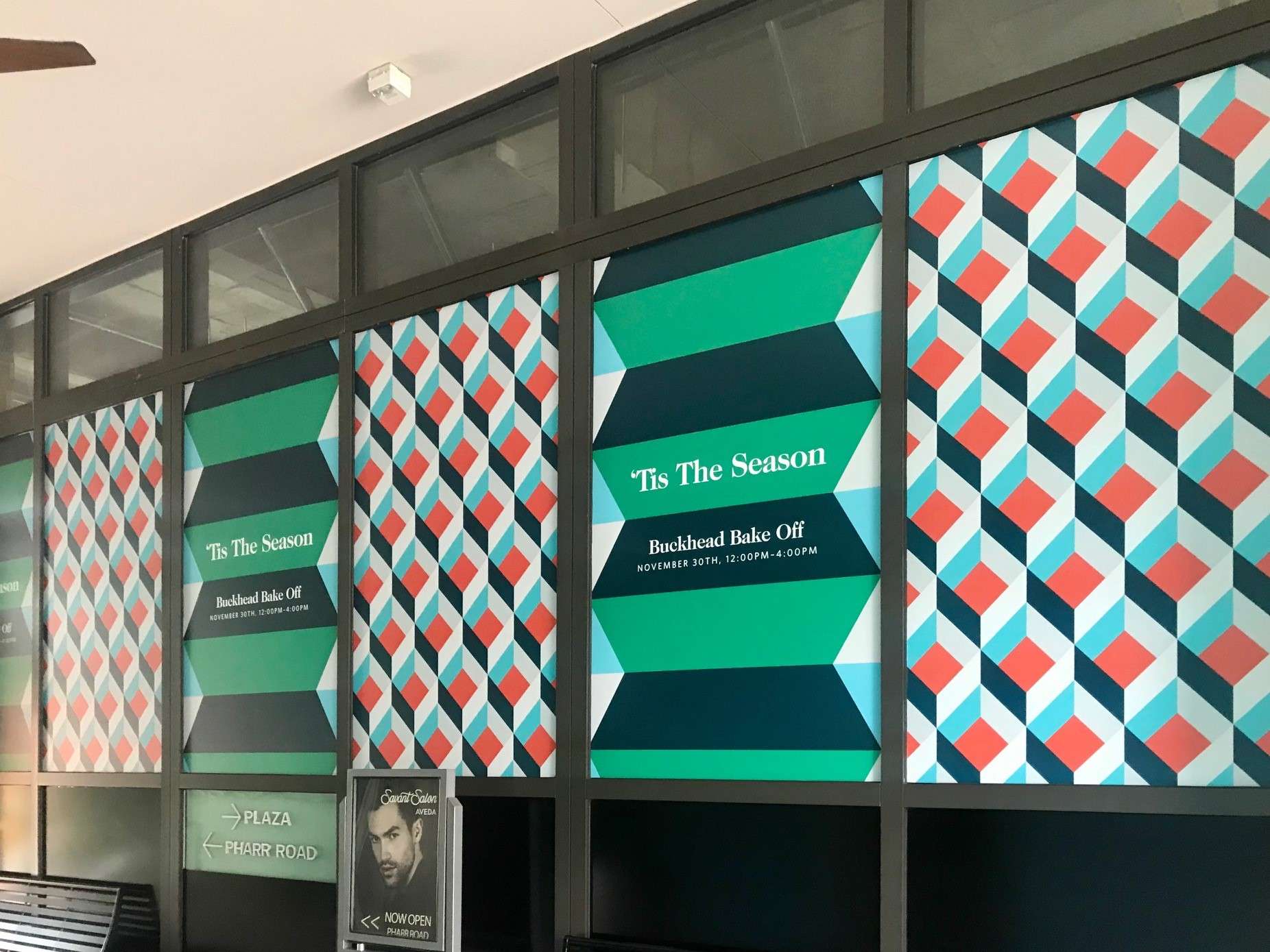
Pedestrian-facing graphics can provide more detail. A shopping center could feature upcoming events or loyalty programs. A residential project could show amenities or neighborhood attractions. The imagery should help viewers understand what the completed project will offer.
Before finalizing artwork, inspect the site from the audience's perspective. Fence posts, gates, parked vehicles, and construction equipment could obstruct important information. Sightlines can also change during construction.
Don’t forget to match your CTAs (calls to action) to the viewing conditions. A short website address is easier for drivers to remember. QR codes work better in locations where pedestrians can safely stop and scan them.
Choose Materials for the Site, Surface, and Timeline
Material selection affects how your graphics look, how long they last, and how easy they are to maintain.
Exterior installations need to withstand sunlight, wind, rain, dirt, and temperature changes. The substrate, protective finish, and installation method should suit the site conditions.
Interior graphics have different demands. In shopping centers, office buildings, and other busy areas, barricade graphics often see heavy foot traffic. They may be cleaned frequently and bumped by carts or equipment. Materials should resist scuffs and wear without needing constant replacement.
Lighting can also affect the finished appearance. Bright overhead fixtures and natural light may create glare or change how colors appear. Matte or low-glare finishes can improve readability in certain locations.
The installation surface is important. Adhesive graphics that stick well to smooth modular panels might not perform as well on unfinished plywood or textured walls. If the installation covers columns or railings, plan to avoid damage when you remove the graphics.
Finally, don’t forget about your timeline. Project duration is an important factor. Graphics intended to remain in place for an extended period may need additional protection. If your messaging will change, modular sections can reduce the cost and effort of future updates.
A professional site assessment helps identify these requirements before you order materials. It also lets installation teams plan for access restrictions, weather, and construction schedules.
Plan Graphics Around Each Stage of the Development
The marketing purpose of your construction signage changes as the project progresses. Plan for those changes when developing the initial program.
Early Construction: Introduce the Project
Use the initial installation to introduce the development project and explain what's coming.
Architectural renderings can help viewers picture the completed space. For projects impacting nearby neighborhoods, share details on planned improvements or community benefits.
Direct interested visitors to your project website or registration page to learn more.
Active Construction: Build Interest
As your project takes shape, make your messaging more specific.
Residential development project signage might promote pre-leasing. A retail center could announce confirmed tenants. A manufacturing project may highlight the new jobs that will become available.
Align your construction graphics with your website, ads, and sales materials. Your audience will receive the same message no matter how they interact with your brand.
Approaching Completion: Inspire Action
As opening day approaches, shift your focus to driving immediate action.
Use messaging that promotes property tours, leasing availability, confirmed opening dates, or launch events. Replace any obsolete renderings or information. Update every call-to-action to be more urgent and time-bound.
This could be a busy, fast-paced period. Schedule these updates ahead of time. That gives your creative and production teams time to prepare, even if construction dates change.
Project Completion: Transition to Permanent Signage
Eventually you’ll need to replace your temporary construction signs with permanent building signs. You may also need directional signage and branded environments.
Make the transition part of your marketing plan. Coordinating both removal and installation makes the transition feel intentional. The finished environment will preserve the same brand identity you introduced during construction.
How to Measure the Impact of Construction Signage
Construction graphics can increase awareness, but measuring that exposure directly is difficult.
However, you can track actions associated with the signage.
For example, a dedicated landing page can identify visits originating from a perimeter fence or wall. Unique QR codes or tracking links on various barriers can show if responses from different site sections perform better.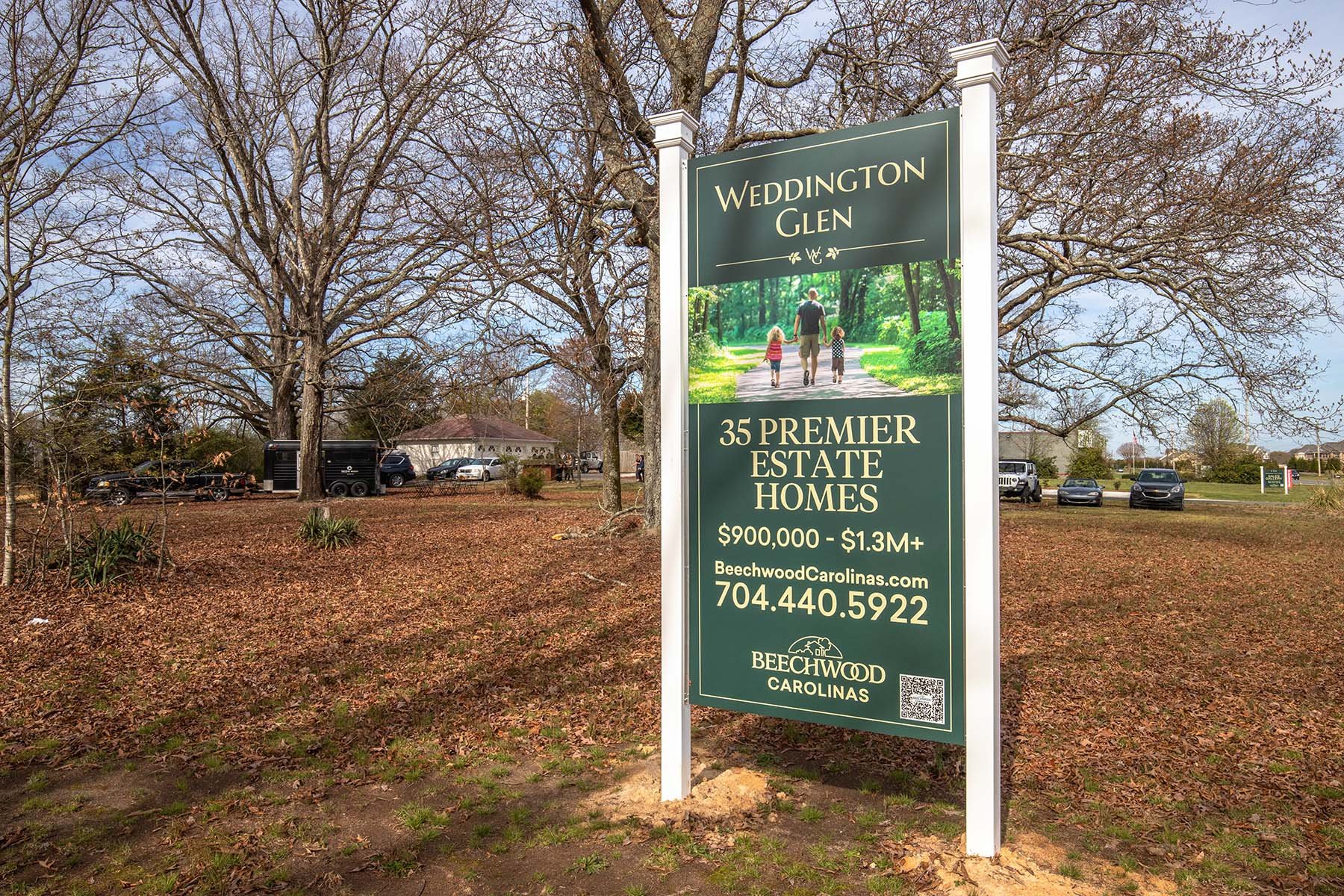
Other measurement options could include:
-
Campaign-specific phone numbers or contact details
-
Registration forms that ask how visitors heard about the development
-
Leasing or sales inquiries attributed to on-site signage
These measurements may not account for everyone who sees the signs. However, they can show which methods lead to direct engagement.
Construction Signage in Action: Jamestown Properties
Phase 3's work with Jamestown Properties shows how temporary construction graphics can support a larger environmental branding program.
Jamestown acquired The Shops Buckhead Atlanta, a luxury retail destination, in July 2019. Phase 3 collaborated with the marketing, operations, and facilities teams to launch the new identity across the property.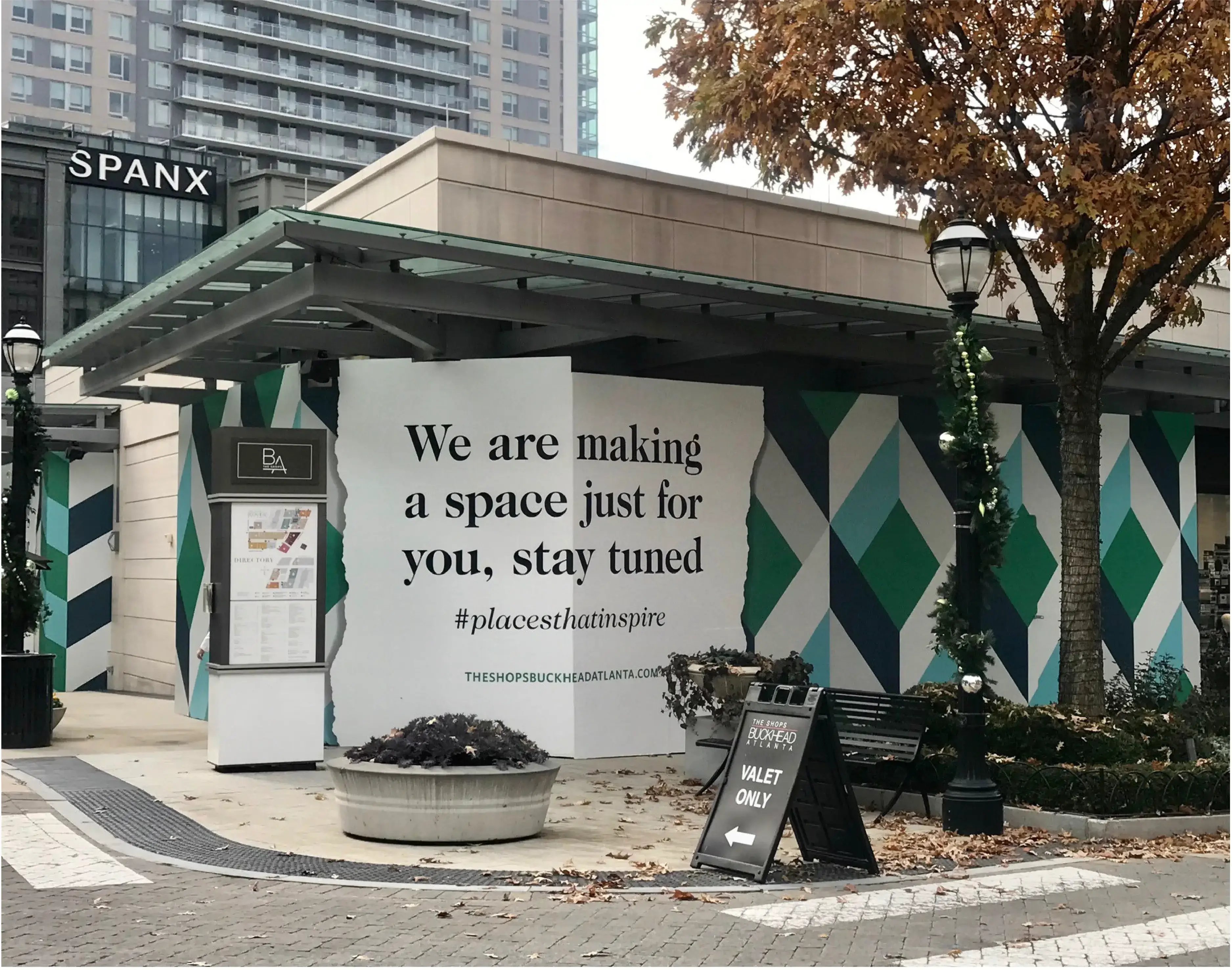
The project included 2,400 square feet of construction barricade signage produced using premium adhesive vinyl. The team used these barricade signs during a construction project to update key areas of the shopping district.
As construction continued, Phase 3 printed and installed light-pole banners. They also added wayfinding graphics, directory kiosks, and window graphics. In every element, the graphics introduced the property's new brand. The design celebrated the colors, imagery, and messages tied to the surrounding neighborhood.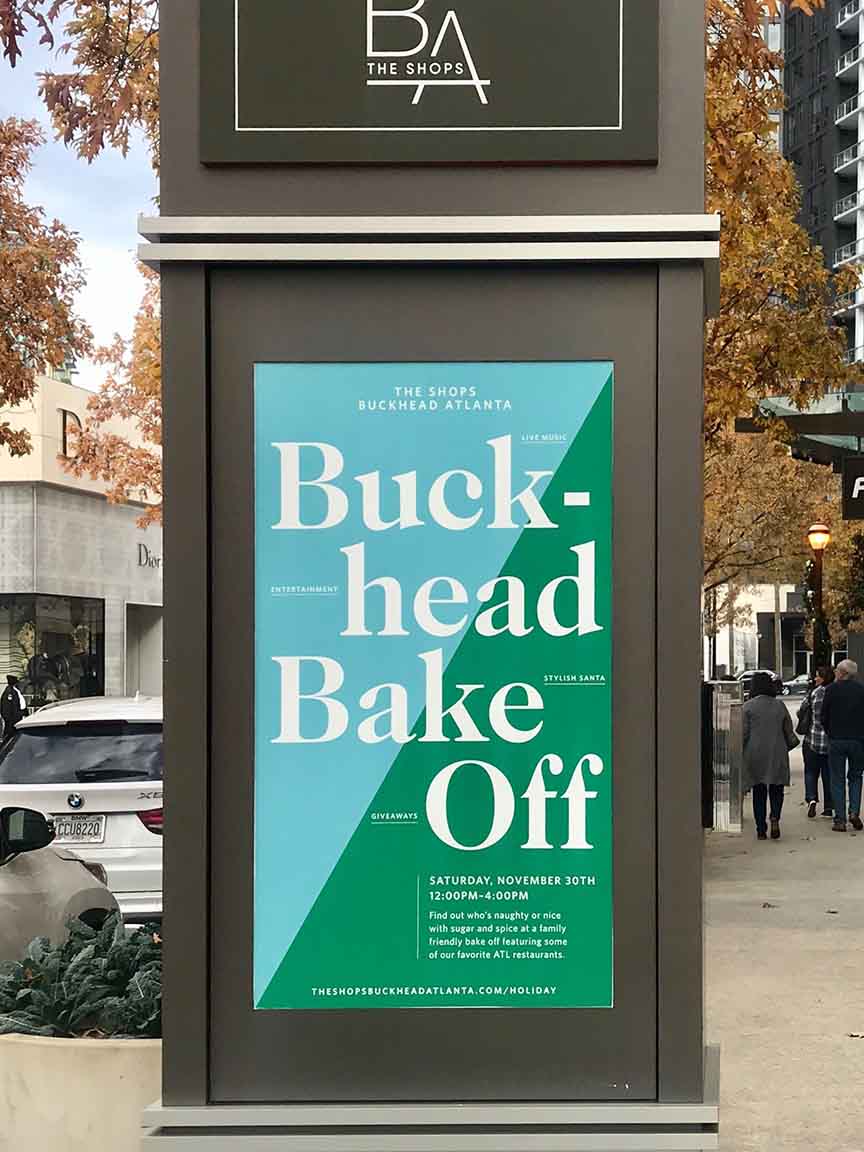
By coordinating temporary and permanent signage, Phase 3 helped create a consistent branded environment during the property's transition.
Read more about the Jamestown Buckhead Atlanta project.
Construction Site Signage Planning Checklist
Use this checklist before approving artwork or beginning production.
|
☐ Confirm the signage locations, dimensions, and viewing conditions. ☐ Review permits, property restrictions, and safety requirements. ☐ Define the audience, message, and objective for each location. ☐ Apply established brand standards to the design. ☐ Choose materials based on surface factors, exposure, and project duration. ☐ Prepare high-resolution artwork and check readability at the intended viewing distance. ☐ Include appropriate calls to action and response tracking. ☐ Coordinate installation with construction schedules and site access. ☐ Plan for updates, maintenance, removal, and transition to permanent signage. |
Bringing Strategy to Installation Under One Roof
A construction signage program involves marketing teams, property owners, contractors, and facilities managers. Each group has different priorities and needs. Each group has different priorities and needs.
Designs must meet your company's brand standards, and materials should suit the environment. Installation has to fit around an active construction schedule.
Managing multiple vendors for design, production, and installation complicates the process.
Phase 3 brings these capabilities together. Our team can help you plan the messaging, develop graphics, select appropriate materials, and coordinate production and installation. We can also manage updates as construction progresses and support the transition to permanent environmental signage.
Partnering with one collaborative partner reduces your vendor management workload and keeps your construction signage program consistent with your brand.
Learn more about Phase 3's signage and graphics capabilities.
Make the Construction Period Part of Your Marketing Plan
Construction sites create a visible opportunity to introduce a project, communicate its value, and build recognition. They should be a key part of any site development marketing plan.
The most effective programs start with a defined audience and purpose. They also use graphics suited to the environment and messaging that adapts as the project progresses.
Are you planning construction site signage for an upcoming development project? Connect with Phase 3 to learn more about our coordinated approach to strategy, design, production, and installation.