
For most high-performing marketing teams, ideas aren’t a problem.
They’ve got plenty of creative campaign concepts, content themes, or activation strategies to work with. They’re constantly exploring new ways to tell the brand story.
The real challenge is traction.
Even the most creative ideas can stall without the right reach, credibility, or execution support.
Here’s some hard truths…
Today’s audiences need consistent new messaging to avoid plateauing.
Campaigns often deliver short bursts of engagement but fail to sustain momentum.
Customer acquisition is becoming increasingly expensive.
And as we’ve explored in a previous blog titled Brand Loyalty is Crumbling, customer loyalty is no longer something any brand should assume. It must be continuously earned.
This is where partnership marketing can become a strategic advantage.
Instead of building in isolation, brands collaborate to share resources, expand reach, and create customer experiences that feel credible, relevant, and impactful.
You may be thinking, what kinds of partnerships? Here are two examples:
-
A local gym partners with a nutrition brand for co-promotions
-
A restaurant collaborates with a local influencer for a grand opening event
Done well, partnership marketing isn’t just a tactic. It’s a smarter way to grow.
What is Partnership Marketing?
Partnership marketing (also called partner marketing) is a strategic collaboration between two or more organizations to achieve shared or complementary goals.
These goals often include:
-
Reaching new audiences.
-
Increasing brand awareness.
-
Driving engagement or conversions.
-
Strengthening credibility.
-
Creating memorable brand experiences.
At its core, partnership marketing works because it combines audience access with shared execution, allowing trust to transfer between partners.
The partners in partnership marketing can be as varied as the audience or market.
For example, a restaurant brand could partner with one of their food suppliers to promote a seasonal menu item. Or, a local dress shop could partner with a fashion influencer to host a fashion show. Or, an art gallery could partner with the local art museum to donate proceeds from their grand opening.
As long as the audience, brand personality, and goals for both partners align, a partnership is possible.
When a customer sees your brand through a partner they already trust, you generate instant credibility.
Why Partnership Marketing Matters Today
In just about every sector, today’s marketing environment is more fragmented and competitive than ever.
-
Audiences interact with brands across multiple touchpoints.
-
Customers expect in-person experiences, yet they’re challenging to get right.
-
Trust is harder to earn.
-
Loyalty is more fragile than ever.
At the same time, consumers are actively looking for signals that a brand is credible, relevant, and consistent with their values.
Partnerships help solve these challenges by:
Expanding Reach Faster
Brands gain access to a partner’s existing audience without having to start from scratch.
Building Credibility by Association
Trust transfers from one brand to another when the partnership is authentic and aligned.
Creating More Impactful Experiences
Collaborations allow brands to deliver something bigger than they could alone.
Sharing Resources and Risk
Budgets, content, media, and execution are distributed across partners.
In a market where efficiency and resources matter, partnership marketing delivers practical advantages beyond creativity.
Types of Partnership Marketing (With Real-World Examples)
Not all partnerships are created equally. The most effective strategies match the type of partnership with a specific business goal.
Influencer and Creator Partnerships
Influencer partnerships remain one of the most visible forms of partner marketing. Today’s influencers aren’t necessarily the Alex Coopers or Mr. Beasts of the world. Instead, they’re people who share your values and point of view AND have a strong, dedicated, and loyal following on the same digital channels where your brand is active.
Creators help brands:
-
Reach niche audiences.
-
Provide one-to-one interaction opportunities.
-
Add a human and relatable voice to a brand.
-
Shape purchasing decisions.
Influencers guide new customers through your entire marketing funnel, from awareness to conversion. Today, many brands maintain multiple influencer relationships at once to sustain visibility and engagement.
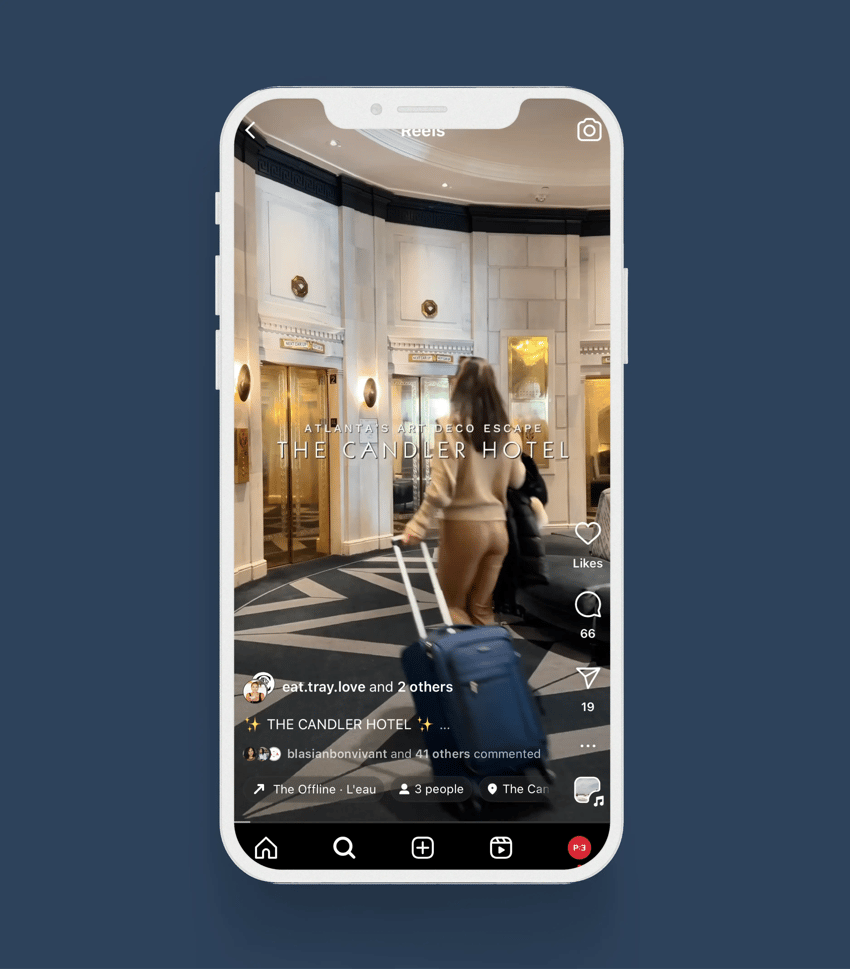
The Candler Hotel Influencer Strategy
The Ask: Phase 3 manages influencer and media relations for The Candler Hotel in Atlanta
The Activation: Partnerships with top influencers in local and regional drive markets provided onsite assistance with high-profile events and increased social media presence on Instagram, Facebook, and LinkedIn.
The Outcome:
These strategies deliver local, regional and national awareness through impressive press hits and meaningful partnerships. Outcomes included:
-
National recognition in Conde Nast Traveler, The MICHELIN Guide, MSN, The Knot
-
30+ influencer partnerships
-
1M+ total influencer following exposure
-
189 press hits
-
1B+ media impressions
Brand-to-Brand Collaborations
This is where the trendy term “collab” was born. Brand-to-brand partnerships bring together two complementary brands to co-create a product, campaign, or experience.
They commonly include:
-
Co-branded products
-
Joint marketing campaigns
-
Shared media and promotion
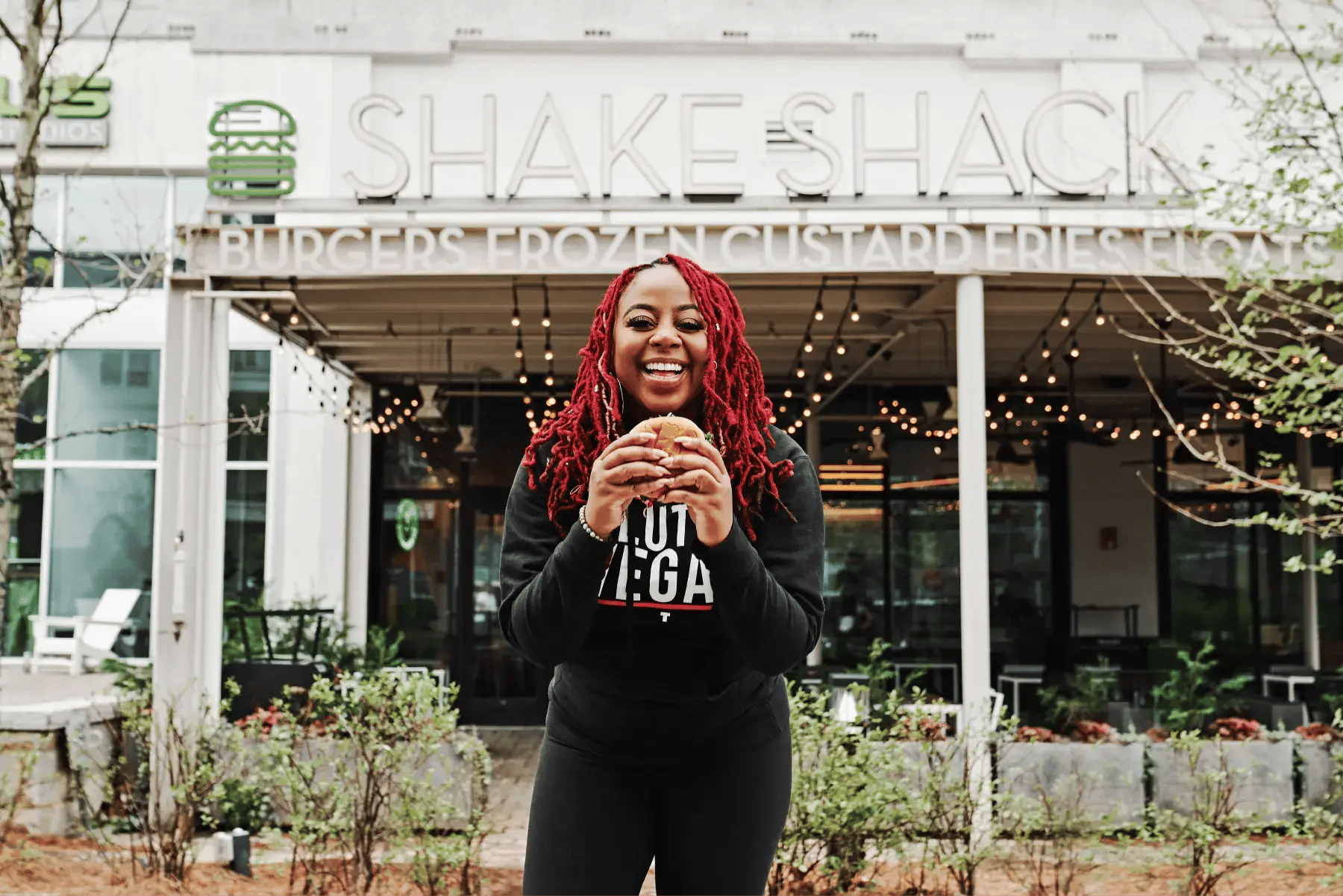
Shake Shack/Slutty Vegan Burger Collab
The Ask: As Shake Shack’s agency for restaurant openings in the Southeast, Phase 3 was asked to build excitement around Shake Shack’s event at their Old Fourth Ward location as part of the “Now Serving” national chef collaboration series.
The Activation: Phase 3 partnered with Atlanta icon Slutty Vegan and founder Pinky Cole to serve a special one-day-only burger, the “SluttyShack”. Shake Shack donated all proceeds from the event to a local nonprofit, Giving Kitchen.
The Outcome: For the event, Phase 3 secured media coverage with What Now Atlanta, Fox 5 Atlanta, Atlanta Daily Newswire, Star94, and more. The collaboration was so successful that Shake Shack ran out of SluttyShack burgers.
Industry and Supply Chain Partnerships
Some partnerships are both operational and strategic. These often happen behind the scenes but play a critical role in brand positioning.
Industry and supply chain partnerships include:
-
Supplier collaborations
-
Distribution partnerships
-
Strategic alliances
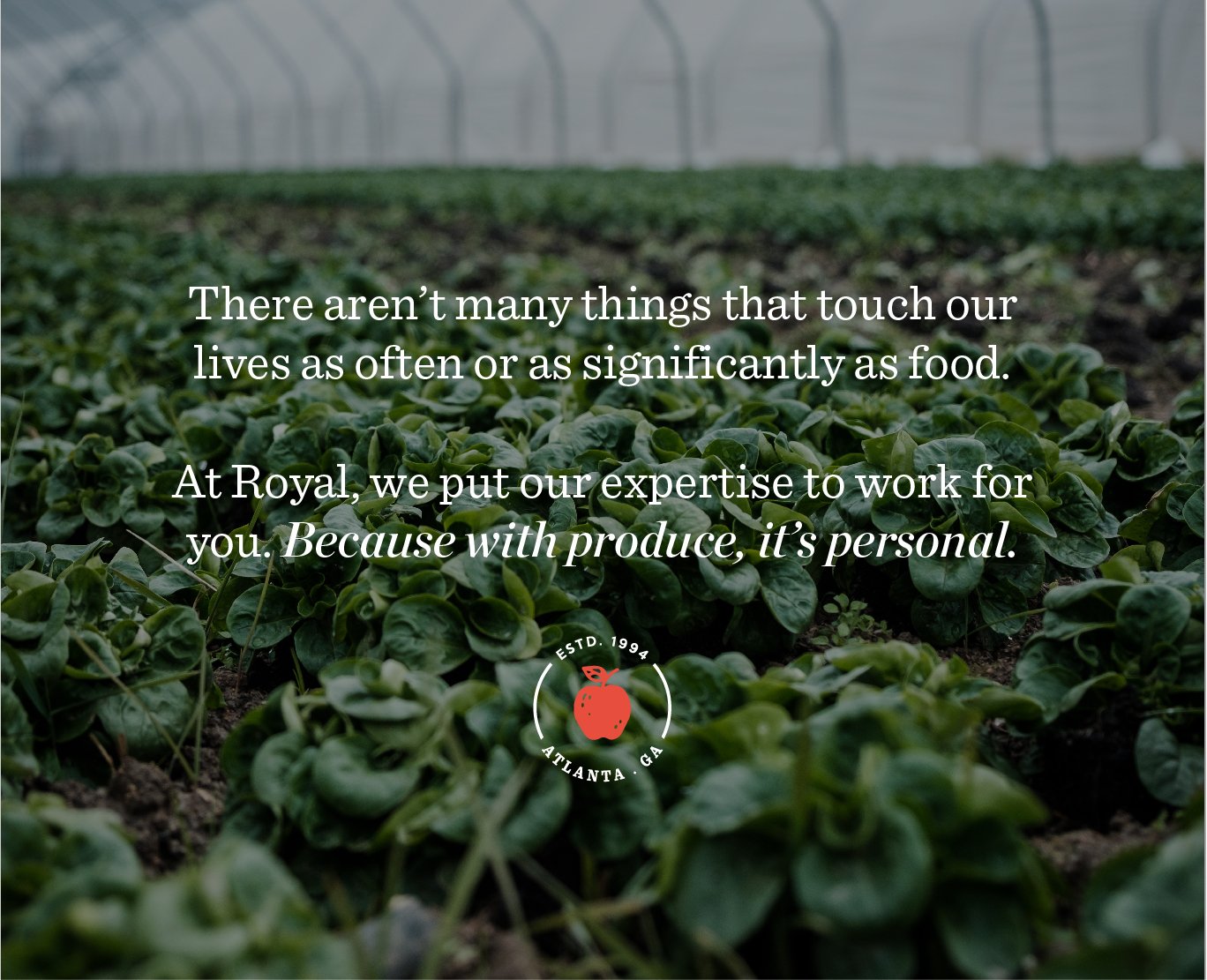
Royal Food Service Strategic Partnerships
The Ask: Royal Food Service asked Phase 3 to help them introduce a new brand by leveraging its relationships with local farmers and customers.
The Activation: The new brand position centered around the theme “With Produce, It’s Personal,” a narrative that reflects how Royal remains true to its values and relationships even as they’ve grown the business. Phase 3 organized a brand rollout and an appreciation festival for its internal audience.
The Outcome: By bringing these supplier relationships into the story, the brand changed from a “commodity provider” to a “trusted partner.” This shift improved both operations and how customers see the brand.
Experiential and Event Partnerships
Live experiences remain one of the most effective ways to build emotional connection and brand recall. Research shows that 68% of consumers are more likely to purchase after attending a live event. This is why company logos are everywhere at festivals, concerts, sports games, and venues. But sponsorships are just the tip of the iceberg.
Event partnerships could also include:
-
Pop-ups and activations
-
Grand openings
-
Fan experiences
-
Conferences
-
Webinars and panel discussions
-
Celebrity appearances
-
Community events
Any in-person or online event provides a wide-reaching opportunity to reach the masses.
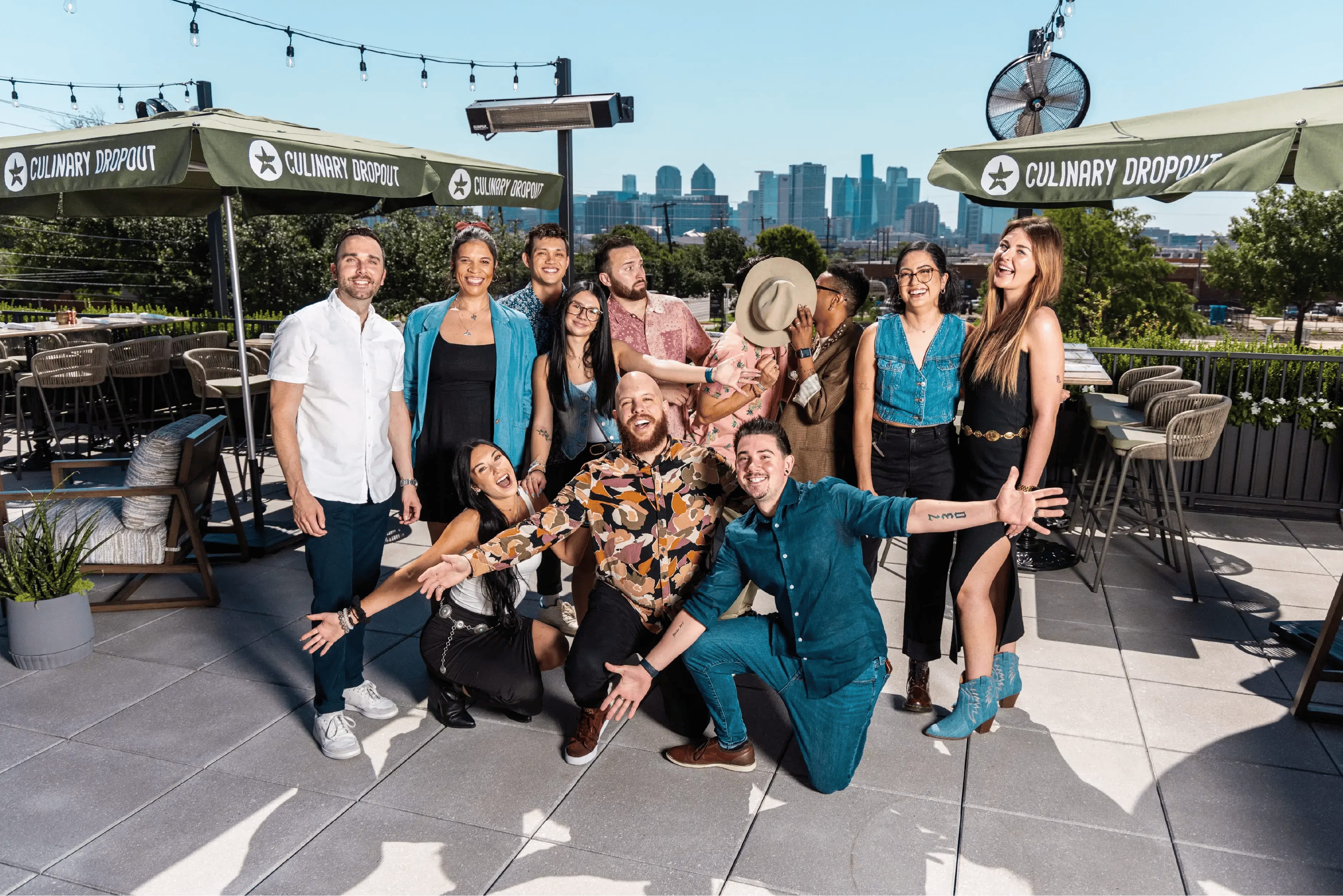
Culinary Dropout Grand Openings
The Ask: Fox Restaurant Concepts’ (FRC) engaged Phase 3 to promote and support the grand opening of the first Culinary Dropout restaurant in Atlanta, Georgia.
The Activation: The team invited neighboring businesses, local media, and prominent community leaders to participate in the packed-house VIP event.
The Outcome: Because of that event's success, FRC hired Phase 3 for two more grand openings: Culinary Dropout’s second opening in Atlanta and their first in Dallas. In total, the three events resulted in:
-
26 media stories (local and national)
-
177+ million impressions
Community and Cause-Based Partnerships
Today’s consumers are paying close attention to what brands stand for and who they stand with.
-
1 in 3 Americans view brand-supported causes as the strongest signal of values.
-
63% expect brands to be transparent about the causes they support.
-
55% say they feel more loyalty to brands that publicly share their values.
This shift makes community and cause-based partnerships more than a goodwill effort. They can be a lever for trust and relevance.
Partnerships with nonprofits or community organizations can include:
-
Fundraising campaigns
-
Volunteer initiatives
-
Cause-driven storytelling
When done well, these collaborations connect your brand to what your audience cares about most. They create meaningful engagement that reaches beyond a single campaign and strengthens perception over time.

Shuman Farms Vidalia® Onions Campaign
The Ask: Shuman Farms partnered with Phase 3 to launch its first restaurant collaboration campaign, “The Sweetest Ingredient: Vidalia® Onions by Shuman Farms.”
The Activation: The concept brought together chefs and restaurateurs from Atlanta, Athens, Augusta, Macon, and Savannah. Each partner created a signature dish featuring premium Vidalia® onions, which they incorporated into their seasonal menus. Local foodie influencer visited participating the restaurants, capturing photo and video content for Shuman Farms' social media page.
The Outcome: As part of the partnership, Shuman Farms donated up to 5,000 meals to local food banks for each participating chef. PR outcomes included:
-
1.5B media impressions
-
61 press hits including Southern Living, AOL, and Yahoo
-
131,900 influencer following exposure
Civic and Destination Partnerships
Working with tourism boards, chambers of commerce, or local stakeholders can amplify visibility in a specific market. These partnerships are especially effective for location-based brands.

The Embers Hotel Launch
The Ask: The Embers Hotel in Blowing Rock, North Carolina asked Phase 3 to plan and promote their grand opening with a unique event.
The Activation: Through media buzz, influencer partnerships, and social storytelling, Phase 3 made The Embers the hottest reservation in town. The grand opening event included a special fire-lighting ceremony, in addition to the usual ribbon-cutting. The ceremony included guest appearances by local officials and the Chamber of Commerce.
The Outcome: The result was strong community engagement and media coverage. Outcomes included:
-
412k impressions from press hits
-
9.7M+ unique website visitors reached per month
-
133,114 Instagram impressions
-
1,353+ new Instagram followers
-
6%+ Instagram engagement rate
How to Build a Partnership Marketing Strategy
Strong partnerships don’t happen by chance. They require structure, alignment, and clear expectations.
1. Start with Well-defined Objectives
Define what success looks like:
-
Awareness
-
Lead generation
-
Sales
-
Market entry
-
Brand repositioning
Without this clarity, partnerships become activity without impact. You’ll never really know if the partnership is successful.
2. Identify the Right Partners
Look for alignment across three critical areas:
-
Audience: Shared or complementary targets
-
Values: Cultural and brand fit
-
Capabilities: What each partner brings to the table
Avoid partnerships that create confusion, dilute your positioning, or aren’t reciprocal.
3. Define Mutual Value
Every partnership must benefit both parties.
This could include:
-
Audience access
-
Content creation
-
Resource sharing
-
Experience development
-
Revenue distribution
If the value isn’t balanced, the partnership won’t be successful.
4. Plan the Execution in Detail
Winning partnerships require more coordination than internal campaigns.
Key considerations include:
-
Roles and responsibilities
-
Timelines and deadlines
-
Content ownership
-
Data sharing
-
Promotion strategy
For example, even a simple co-branded Instagram takeover requires alignment on resource allocation, messaging, promotion, and follow-up.
5. Measure What Matters
Brand partnerships used to be all about driving online impressions. Today, companies measure partnerships in much the same way as they measure product launches.
Beyond impressions, brands now track:
-
New customer acquisition
-
Engagement rates
-
Conversion rates
-
Audience retention
Common Pitfalls to Avoid
While partnership marketing is powerful, it’s not without risk.
Misaligned Goals
If partners are working toward different outcomes, execution quickly breaks down. This could result in inconsistent messaging, imprecise targeting, and lackluster results.
Loss of Brand Control
Shared campaigns require compromise. However, you should never compromise your brand. Clear brand guardrails are essential to a successful partnership.
Over-Reliance on Partners
It may be tempting to use partnerships as a band-aid for missing or incomplete strategy. Partnerships should amplify your integrated marketing strategy, not replace it.
Operational Complexity
Partnerships need good coordination. This means you need strong project management and, if necessary, extra workflows.
In the end, the most successful partnerships are intentional, not opportunistic.
How Agencies Approach Partnership Marketing
An agency can play a central role in making partner marketing work at scale. Because Phase 3 specializes in partnership marketing, we have established relationships with influencers, media outlets, and community partners. That means we can activate a powerful partnership for clients quickly while also looking for new partnership opportunities.
For our clients, partnership marketing is one part of a more comprehensive, integrated marketing strategy.
That includes:
-
Identifying strategic partners based on audience and goals.
-
Developing the narrative and campaign concept.
-
Managing media, influencer, and community relationships
-
Executing across channels (PR, social, events, print, and digital).
-
Measuring both performance and long-term brand impact.
Because Phase 3 operates across strategy, creative, production, and execution, partnerships aren’t treated as isolated campaigns. We build them into a full brand ecosystem, from idea to activation.
The Bigger Opportunity: Partnerships as a Growth Engine
The most successful brands are shifting their mindset.
From: What can we build?
To: Who can we build with?
Partnership marketing strategy enables brands to:
-
Move faster
-
Reach further
-
Build trust more efficiently.
-
Create experiences that stand out.
These advantages matter because they can mean:
-
Stronger campaigns.
-
Deeper engagement.
-
Elevated loyalty.
-
Lower acquisition costs.
Collaboration Is a Competitive Edge
Partner marketing isn’t new, but its importance has evolved. It’s no longer only about co-branded campaigns or one-and-done influencer posts. It’s about building a network of aligned relationships that expand your brand’s reach, relevance, and impact. The brands that win will be the ones that collaborate with intention.
Ready to Build Smarter Partnerships?
If you’re exploring partnership marketing as a growth strategy, the right partner makes all the difference.
Phase 3 helps brands identify, structure, and activate partnerships that deliver real business outcomes, from awareness to engagement to long-term brand value.
Let’s start the conversation today.